
No products in the cart.





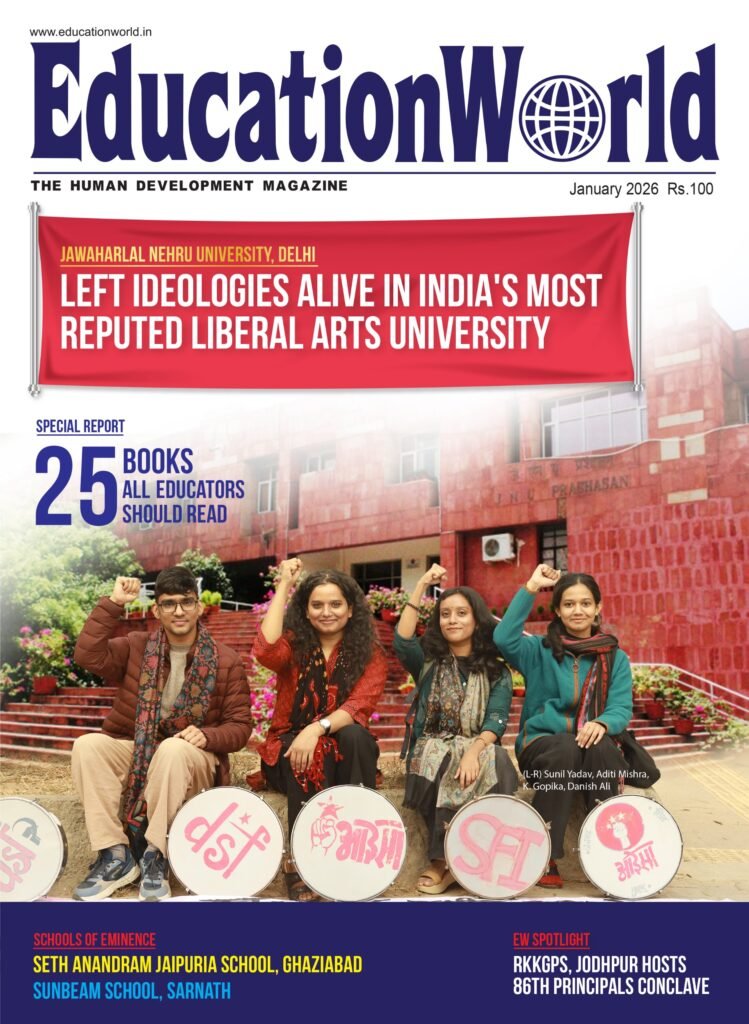
25 Books all educators should read
As education systems worldwide gravitate from memory-based rote learning towards interactive, inquiry-based pedagogies, a widening gap in teachers’ extra-curricular reading and general knowledge is becoming increasingly evident in India’s schoolshe first major political party to accord public K-12 education reform and upgradation high priority in its electoral campaigns, the Aam Aadmi Party which ruled Delhi state from 2015-25, promulgated too many reform initiatives too fast – Summiya Yasmeen
It’s hardly a secret that the majority of India’s 10 million schoolteachers are ill-read. Ask a teacher what non-prescribed textbook she is reading currently, and the response is often vague or evasive. For many teachers, reading seldom extends beyond the textbooks they are required to teach. And sometimes not even them in entirety. Selected chapters and photocopied notes passed on by their predecessors are deemed sufficient. But as education systems worldwide gravitate from memory-based rote learning towards interactive, inquiry-based pedagogies, this gap in teachers’ reading and knowledge is becoming increasingly evident in India’s classrooms with their pupils performing poorly in latter day tests that assess creativity, critical thinking, collaboration and problem-solving.
The few studies conducted on K-12 teachers’ reading habits confirm this. A survey of Indian school teachers’ reading habits, published in Researchers World (Palani, 2012), found that beyond a daily newspaper, most teachers “struggled with consistent reading, reading few books annually”. Another survey titled ‘TELLS Study — Understanding Teacher Capabilities in rural Uttar Pradesh and Bihar,’ conducted in 2007-08 by Prof. Geeta Kingdon, chair of education economics and international development at the Institute of Education, University College, London, highlighted that less than 5 percent of teachers read non-prescribed books, and even these tend to be religious texts such as the Bhagwad Gita and Ramayana.
“It’s sad but true that most teachers in India don’t read anything beyond board-prescribed textbooks. This applies to teachers in government and private schools. There’s conspicuous lack of reading for pleasure and/or professional development within the teachers’ community. I blame this on the mediocre, rote-centric school and higher education systems that they’ve passed through, which fails to stimulate questioning and critical thinking skills and love for reading. School managements — especially of private schools, most of which have well-stocked libraries — need to take the lead to motivate and incentivise their teachers to read for pleasure. Because extracurricular reading equips teachers with the skills to go beyond prescribed curriculums and stimulate the creativity of their students. More importantly, a well-read teacher is an excellent role model for her students to develop the reading habit,” says Maya Menon, an alumna of Delhi and Leicester (UK) universities and founder-director of The Teacher Foundation, Bangalore (estd.2002), which has trained over 100,000 teachers countrywide.
A frequently advanced reason for government school teachers being poorly read — especially in rural India — is the conspicuous lack of school and public libraries. According to the Annual Status of Education Report 2024 published by the Pratham Education Foundation, 17.5 percent of rural schools don’t provide any library facilities. Yet while easy accessibility to reading material may be a problem for government school teachers, in private schools affiliated with the pan-India CBSE/CISCE and international boards Cambridge International (UK) and International Baccalaureate (Geneva), managements have made generous investments in state-of-the-art libraries. But even their teachers don’t exhibit much enthusiasm for reading. “We have a vast school library with over 30,000 print volumes and another 10,000 digital/e-books. But hardly any of our over 100 teachers borrow non-subject and non-prescribed books for reading. Now with ChatGPT, teachers visiting the library even to use subject reference books has become rare,” says the librarian of a well-reputed private school in Delhi.
There is no dearth of evidence from cognitive science, psychology and education research to prove that sustained reading — particularly of biographies, fiction and history — enhances teachers’ general knowledge, creativity, logical thinking, analytical intelligence and empathy. To write his bestseller Change Your Habits, Change Your Life (2016), US-based financial planner Tom Corley conducted a five-year study in which he interviewed 177 millionaires about their daily habits. The great majority (88 percent) said they set aside at least 30 minutes per day to read biographies, history and self-help books.
In a 2017 interview with The New York Times, former US President Barack Obama said he reads extensively because books help him “slow down, get perspective, and understand the complexity of the world”. Every December, he releases his annual reading list, which is widely anticipated and followed (see box p.94).
Therefore, it’s never too late for teachers to start reading. In the first issue of 2026, EducationWorld presents a reading list for teachers and educators, specially recommended and curated by a select jury of knowledgeable educationists, teacher trainers and school principals from across the country.
Dr. Wattal’s list
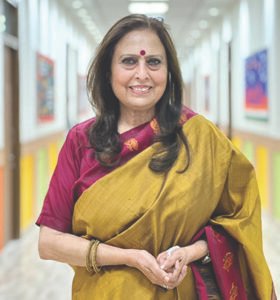
Ameeta Mulla Wattal
Dr. Ameeta Mulla Wattal is Chairperson and Executive Director of Education at DLF Foundation Schools, Gurgaon and member of the governing board of Delhi Teachers University. Dr. Wattal sent her recommendations with this small note: “These days, neither principals nor teachers read. Here are my suggested book titles for whatever they are worth.”
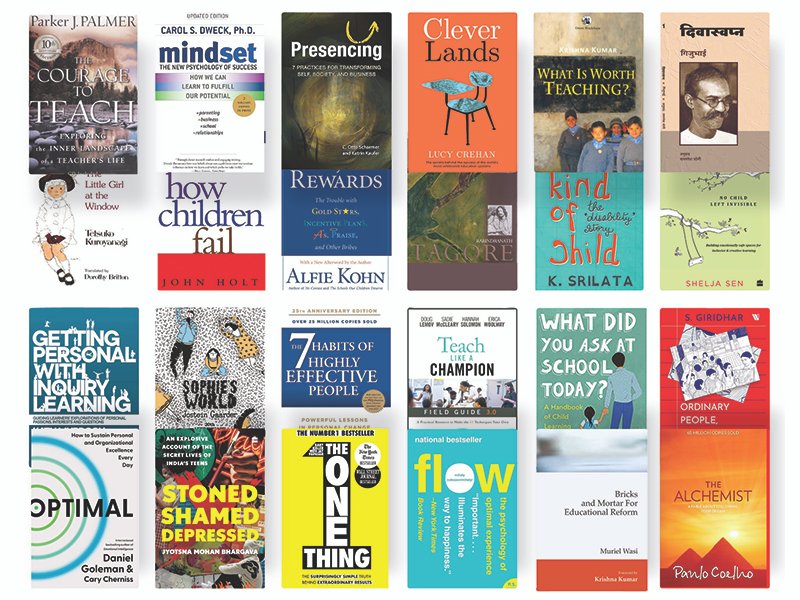
The Courage to Teach by Parker J. Palmer (Jossey-Bass, 1998)
American author and educator, Palmer argues that good teaching emerges from the identity, integrity and inner life of teachers, not merely from curriculum design and pedagogy. He urges educators to reconnect with their vocation, cultivate classroom communities rooted in care and dialogue, and teach in ways that integrate intellect and emotion. This book will help teachers align teaching practice with student-centred learning, wellbeing, values education and the holistic development mandate of the National Education Policy (NEP) 2020.
Mindset: The New Psychology of Success by Carol S. Dweck (Random House, 2006)
In this seminal book, Stanford University psychology Prof. Carol Dweck introduces the concept of the growth mindset — the belief that one’s intelligence, capabilities and talents can be developed through dedication, hard work, and perseverance. This book will help educators understand how their language, feedback and assessment practices enable children to develop perseverance, resilience and a growth mindset.
Optimal: How to Sustain Personal and Organisational Excellence Every Day by Daniel Goleman (Harper Business, 2024)
Goleman, often referred to as the “father of emotional intelligence,” examines factors that enable individuals and organisations to perform optimally consistently. He goes beyond emotional and social intelligence and focuses on ways and means to sustain excellence in complex school systems. It’s recommended reading for teachers seeking to balance performance, wellbeing and professional growth.
Flow: The Psychology of Optimal Experience by Mihaly Csikszentmihalyi (Harper & Row, 1990)
In this globally renowned book, Hungarian-American psychologist Csikszentmihalyi explores ways and means to attain “state of flow” — deep, focused engagement in which individuals lose self-consciousness and perform at their best. He explains how deep engagement stimulates sustained focusing, intrinsic motivation, creativity and arouses student attention.
Presencing by Otto Scharmer (with Katrin Kaufer) (Berrett-Koehler, 2025)
MIT, Boston professor Scharmer introduces the concept of “presencing” — a blend of “presence” and “sensing,” that enables individuals to connect deeply with their authentic self, to move beyond habitual thinking to stimulate profound individual and systemic change. The book helps individuals and communities to co-create a regenerative future, making it particularly relevant for educators seeking to build future-ready learning environments.
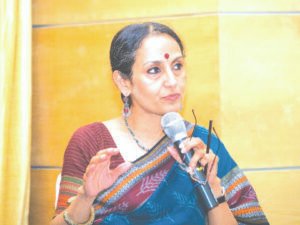
Maya Menon
Maya Menon’s picks
An alumna of Delhi and Leicester (UK) universities, Maya Menon is founder-director of The Teacher Foundation, Bangalore (estd.2002), which has trained over 100,000 teachers countrywide.
Clever Lands by Lucy Crehan (Unbound, 2016)
This is a highly readable book by an author who is a qualified teacher who taught science and psychology at a secondary school in London before switching to research and policy. Clever Lands is the outcome of Crehan’s ethnographic, educational exploration of the world’s ‘top-performing’ education systems. She volunteered in and observed schools in Finland, Canada, Singapore, Japan and Shanghai, spending a month living with educators in all these countries. If teachers in Indian schools want to understand how their counterparts in ‘clever lands’ teach effectively, this is a must-read book. The Economist acclaimed it as one of the ‘books of the year’ within a week of its release.
Bricks and Mortar for Educational Reform by Muriel Wasi (LG Publishers and Distributors, 2021)
This is a posthumous compilation of articles written by Muriel Wasi, a former education adviser to the Government of India. The foreword has been written by Prof. Krishna Kumar, former director of NCERT. In this easy-to-read volume with 27 chapters, Wasi examines the many facets that constitute ‘good education’, using the metaphor of ‘bricks and mortar’.
What is Worth Teaching? by Krishna Kumar (Orient Longman, 1992)
This is an old favourite — still very relevant for all teachers and education policy formulators. Why do teachers teach the way they teach? What is the purpose of teaching? Could we teach in other ways? As teachers/teacher educators, we rarely get time to reflect on the impact of our work in classrooms within the context of the bigger historical, socio-political national canvas. It still isn’t part of the training and induction process of teachers. This slim compilation of seven lecture-essays connects teaching with national society and culture.
Stoned, Shamed, Depressed by Jyotsna Mohan Bhargava (Harper Collins, 2020)
Schools, teachers and parents today struggle to understand adolescents. This book provides a glimpse into the secret lives of urban India’s teenagers. It narrates explosive accounts of struggles with addiction to substances, social media and gaming, and dealing with the devastating effects of peer pressure, bullying, body shaming and resultant mental health problems.
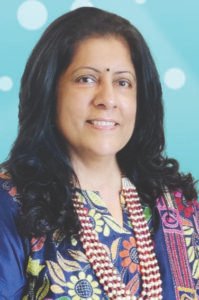
Swati Popat
Dr. Popat Vats’recommendations
Dr. Swati Popat Vats is founder-president of the Early Childhood Association of India (estb.2011) and President of the Podar Education Network of 490 pre-primary schools. She is one of India’s most influential proponents of universal early childhood care and education (ECCE) for children below age six.
Divaswapna by Gijubhai Badheka (Navjeevan Publishing House, 1931)
Written in 1920 by Gijubhai Badheka, one of India’s pioneer ECCE proponents, this book was way ahead of its time, predating many teaching-learning concepts incorporated in NEP 2020. It tells the story of a teacher who reimagines the classroom by integrating games, stories, and experiential learning into every subject. It is a must-read for teachers aspiring to implement ‘new age,’ child-centred and engaging learning experiences.
Totto-chan: The Little Girl at the Window by Tetsuko Kuroyanagi (Kodansha, 1981)
This book is a masterclass in teacher training. Through the character of Mr. Kobayashi, headmaster of Tomoe Gakuen, an unconventional school, educators understand that meaningful learning begins with human connection, not instruction. It highlights how teachers can unlock students’ confidence, motivation and stimulate lifelong love for learning.
How Children Fail & How Children Learn by John Holt (Pitman Publishing, 1964 & 1967)
These two path-breaking books by American educator John Holt are best read as a single, comprehensive study. They challenge the notion that students become a “problem” when they fail to perform. Instead, Holt shifts the onus to the teacher, classroom environment, and pedagogies employed, demonstrating how effective teachers can transform children into engaged, capable learners.
Punished by Rewards by Alfie Kohn (Houghton Mifflin, 1999)
In an era that glorifies awards, American author-educator Alfie Kohn provides a necessary, evidence-based critique of widespread use of marks, praise, incentives and punishments in schools. He demonstrates how traditional rewards can be counterproductive, undermining intrinsic motivation and deep learning. The book is a roadmap for teachers to move away from “empty praise” toward developing genuine, intrinsic motivation. Especially relevant for teachers aspiring to move beyond rote and exam-centric education.
Totakahini (Parrot’s Training) by Rabindranath Tagore (Visva-Bharati, 1898)
A satire on education, relevant and relatable today. Through the tragic fate of a parrot subjected to excessive “instruction,” Tagore exposes how rigid and memorization rewarding education systems destroy children’s curiosity, joy and imagination. Written over a century ago, this is a timeless warning against education systems that prioritise compliance over understanding and instruction over imagination.
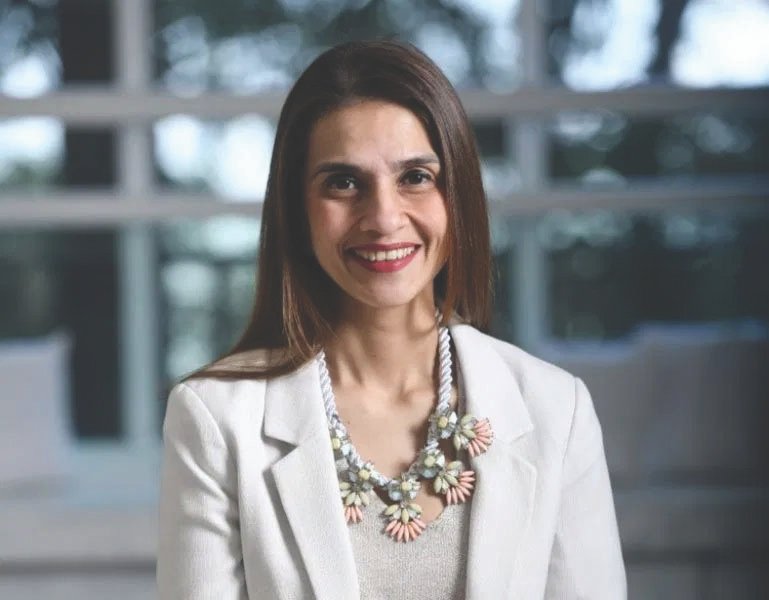
Fatema Agarkar
Agarkar’s must-reads
Educationist, parenting expert and teacher educator, Fatema Agarkar is co-founder of the Mumbai-based Agarkar Centre for Excellence (ACE), a firm providing K-12 education consultancy, sports and life skills programmes. An alumna of Mumbai and Birmingham universities, Agarkar served with Commerzbank, Times of India and Egon Zehnder International before switching track to education consultancy in 2000. Since then, she has facilitated the promotion of over 40 private schools countrywide.
This Kind of Child: The Disability Story by K. Srilata (Yoda Press, 2012)
This book offers a multi-perspectival understanding of the lived experience of children with disability, cultivating the empathy so urgently required. It urges readers to move beyond merely “understanding” neurological differences, and instead ask how we can learn from and derive inspiration from the unique strengths of neurodivergent individuals. For teachers in particular, the book is a powerful reminder of the transformative potential of nurturing children with disability.
The ONE Thing by Gary Keller with Jay Papasan (Bard Press, 2013)
This book helps professionals — especially teachers — identify their “one thing”: the single priority that matters most. By encouraging focus and intentionality, it cuts through daily clutter, reduces stress and helps educators reclaim energy and clarity in their work. For teachers navigating work overload, it offers a valuable pause and practical framework to make purposeful focus an integral part of their professional development trajectory.
Imagine: No Child Left Invisible by Shelja Sen (HarperCollins India, 2023)
The author says, “… learning is about the magical relationship the teacher builds with each child, it is about building emotionally safe, inclusive spaces for creative learning — this is the heart, the lifeblood, the bare bones of learning.” This book reminds educators that emotional connection is not an add-on to learning, but its very heart and lifeblood, making it essential reading for teachers to provide experiential child-centred education.
Getting Personal with Inquiry Learning by Kath Murdoch (Corwin, 2015)
This is a concise and well-structured guide for teachers to take inquiry-based learning beyond technique and make it personally meaningful. The author contends that it’s important for educators to find their own connection to inquiry, so they can stimulate student agency, curiosity and ownership of learning. Practical, reflective and classroom-ready, it offers clear pathways for teachers to make inquiry-led learning meaningful and transformative.

Saurav Sinha
Sinha’s reading list
Saurav Sinha is principal of Mayo College, Ajmer (estb.1875), ranked India’s #1 Ivy League boarding school in the EW India School Rankings 2025-26. An alumnus of Delhi University and London School of Business, Sinha acquired a wealth of business management and administration experience in banking, healthcare, and digital marketing in London, Europe, and Singapore and returned to India to establish the digital business of Walt Disney Co (India) in 2008, before switching track to teach English and economics in top-ranked schools including Welham Boys, Pathways World School, Gurgaon and Harrow International School, Bengaluru.
The Alchemist by Paulo Coelho (HarperOne, 1988)
This book, which made Paul Coelho an international literary star, is a simple yet profound tale about following one’s dreams. Through the growth and development of a young shepherd, it imparts enduring lessons on positive thinking, courage, resilience and self-belief. Written in a simple, engaging style, it is an excellent book to recommend to children and young readers as a gentle introduction to the joy of reading and reflective thinking.
Sophie’s World by Jostein Gaarder (Aschehoug, 1991)
An engaging introduction to Western philosophy, Sophie’s World presents a condensed history of philosophical thought woven into a novel with elements of mystery. Through the passage of a young girl, readers are introduced to the major philosophers and ideas of the past three millennia. It is an excellent gateway for teachers to develop philosophical curiosity.
The 7 Habits of Highly Effective People by Stephen R. Covey (Free Press, 1989)
Before it evolved into a global industry, 7 Habits was a thoughtfully written book — one of the earliest and best guides to personal effectiveness and purposeful living. Simply written yet conceptually rigorous, it offers practical suggestions to develop efficiency and efficacy. Its enduring relevance lies in the fact that it has withstood the test of time, continuing to resonate across generations and professions, including education.
The Boy, the Mole, the Fox and the Horse by Charlie Mackesy (Ebury Press, 2019) (missing)
This gentle, illustrated narrative offers valuable reflections on kindness, vulnerability, courage and friendship. It provides quiet, powerful insights that can help teachers understand and respond to the emotional challenges children face in their everyday lives. Its spare words and evocative drawings make it especially valuable for parents and teachers seeking empathy, reassurance and perspective.
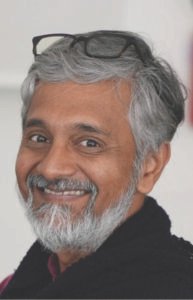
Rishikesh B.S
Rishikesh’s go-to books
Rishikesh B.S. leads the hub for Education, Law and Policy at the Azim Premji University, Bengaluru, ranked India’s #1 private social sciences university in the EW India Higher Education Rankings 2025-26.
Shaping School Culture by Terrence E. Deal & Kent D. Peterson (Jossey-Bass, 1999)
Drawing on decades of research and school stories, the authors show how everyday rituals, values, and relationships shape learning. It makes a strong case for developing school leadership that pays attention to meaning, trust, and shared purpose.
Teach Like a Champion 3.0 by Doug Lemov (Wiley, 2021)
This updated edition distills classroom practice into clear, usable teaching techniques grounded in real teaching. A practical book that focuses on what teachers can do to improve mentoring and teaching-learning.
The Hidden Lives of Learners by Graham Nuthall (NZCER Press, 2007)
Based on decades of classroom research, this book reveals how learning is uneven, private, and often invisible to teachers. Essential reading for educators aspiring to understand the invisible social and cognitive processes that drive academic mastery.
What Did You Ask at School Today: A Handbook of Child Learning Book 2 by Kamala Mukunda (Harper Collins, 2019)
Book 2 builds on the first volume to examine how children develop and learn in everyday settings. It revisits popular ideas about learning, questions easy explanations and imported myths. It also addresses contemporary issues such as teaching for understanding and the role of digital technology in classrooms.
Ordinary People, Extraordinary Teachers: The Heroes of Real India by S. Giridhar (Westland, 2019)
Drawing on the author’s experience of working with government schools, this book presents intimate portraits of extraordinary teachers and their daily work. Through these stories, we learn how teachers respond to difficult conditions with care and resolve, adapting teaching-learning in government schools in some of India’s most disadvantaged districts.
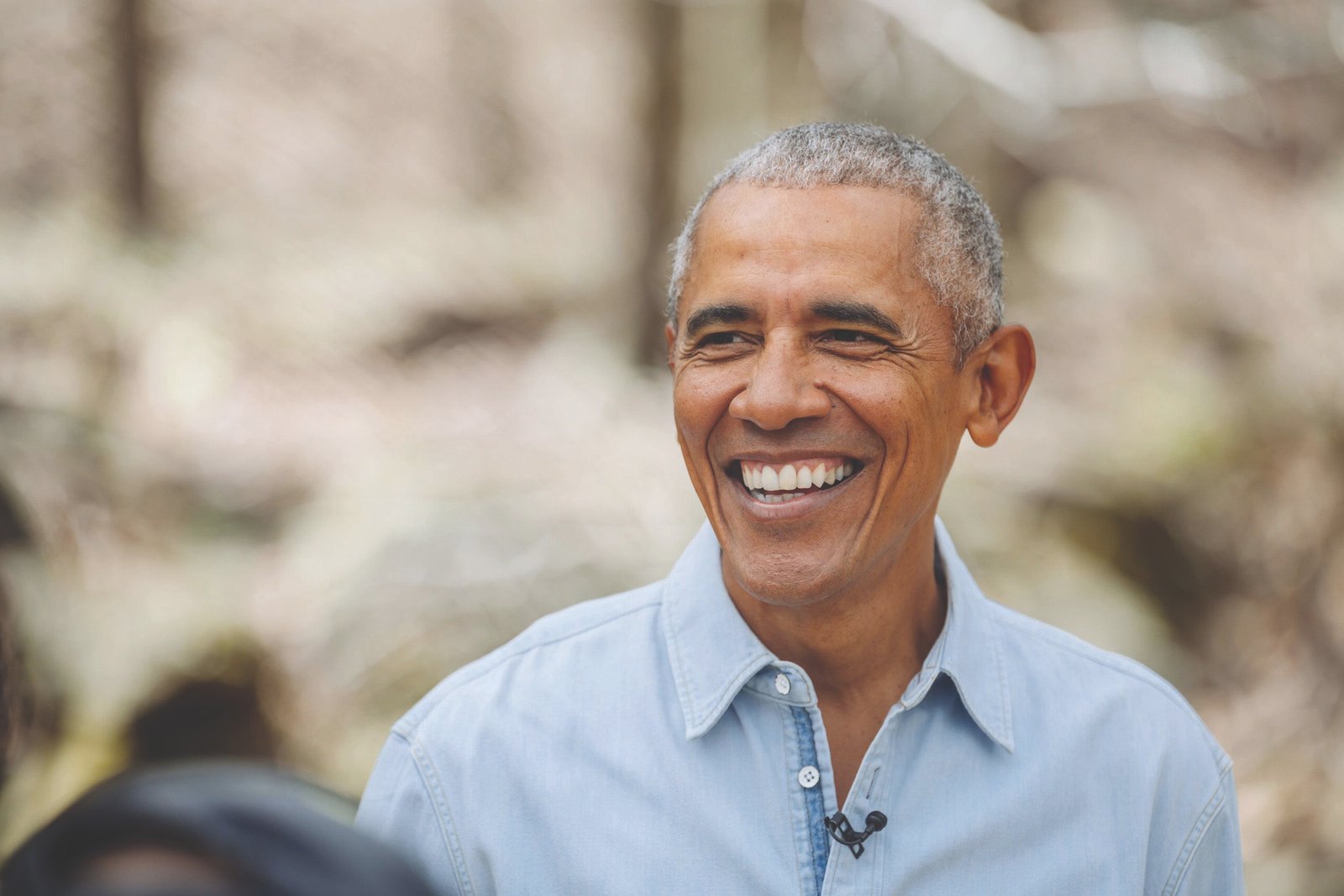
Barack obama
Obama’s favourite books of 2025
Every December, former US President Barack Obama releases his much-anticipated annual reading list. His ‘most favourite’ books of 2025:
- Paper Girl by Beth Macy
- Flashlight by Susan Choi
- We the People by Jill Lepore
- The Wilderness by Angela Flournoy
- There Is No Place for Us by Brian Goldstone
- North Sun by Ethan Rutherford
- 1929 by Andrew Ross Sorkin
- The Loneliness of Sonia and Sunny by Kiran Desai
- Dead and Alive by Zadie Smith
- What We Can Know by Ian McEwan
- The Look by Michelle Obama








Add comment