




2026 Education Trends: Hybrid Learning and Global Exposure in Indian Classrooms
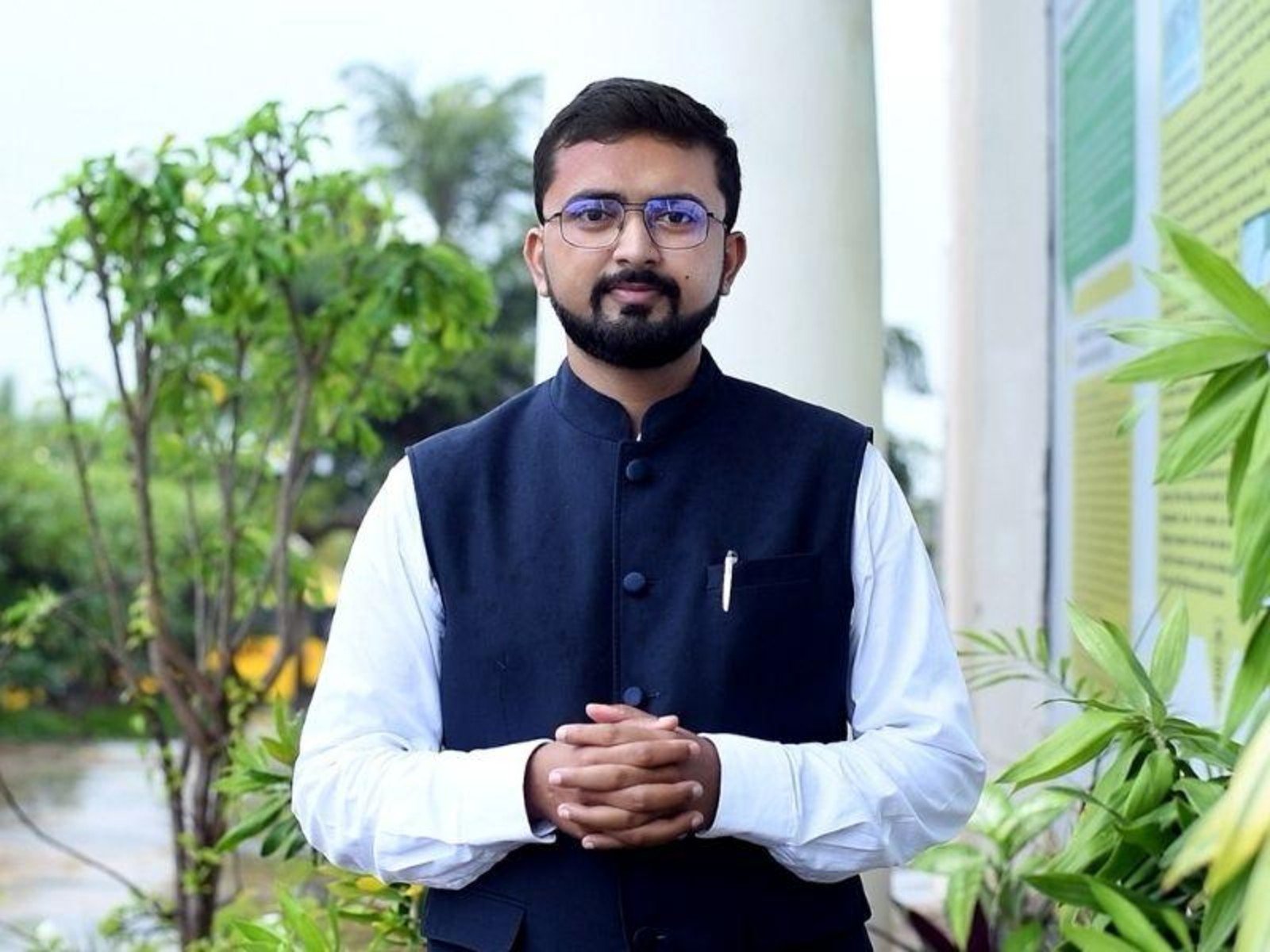
– Siddharth Rajgarhia, Co-Founder, Equanimity Learning; Chief Learner and Director, Delhi Public School – Varanasi, Nashik, Lava Nagpur & Hinjawadi Pune
When I look at the evolving landscape of education in India, I feel a quiet conviction rising within me. The shifts we witness today are not merely digital; they are deeply human, systemic, and soulful. As an educator, I have lived through the days when classrooms were defined by chalk, blackboards, and rote instruction. I have also lived through the turbulence of digital transitions, where screens became our lifelines. But what I see now, in 2026, is something far more profound as a gentle revolution reshaping not just how we teach, but how we understand learning itself.
Delhi Public School (DPS), through its embrace of hybrid learning and global exposure, offers a compelling case study in what the future of education looks like. And I speak not as a distant observer, but as someone who has walked alongside teachers, students, and parents in this journey.
Gone are the days when learning was synonymous with memorisation. Today, at DPS Nashik, students begin their weeks not with lectures, but with questions. They explore concepts through home-viewed videos, then step into classrooms that vibrate with collaboration, debate, and experimentation. This flipped model has awakened curiosity, ownership, and joy.
At the heart of this transformation is Google Classroom. Teachers and students use it extensively, not just to submit assignments or share resources, but to create an ongoing dialogue. I often scroll through reflections posted by students as raw, honest, and insightful and see teachers responding with encouragement and challenges. Learning extends far beyond the four walls of the classroom. It lives in the digital space, in conversations, in feedback loops, in the quiet moments when a student posts a question at midnight and finds an answer waiting in the morning.
Another initiative close to my heart is the Ignite X Program. Introduced as a pilot project, it aims to develop independent learners by integrating AI tools, adaptive learning platforms, and skill-building sessions. Unlike mainstream classrooms, the Ignite X Hub operates with prodigy students, offering them textbooks for running notes, AI-driven apps, adaptive technologies, real-time performance reports, and a facilitator who supports rather than instructs. This model reimagines pedagogy, engagement, and outcomes in placing ownership of learning squarely in the hands of students. This is not just a program; it is a philosophy. A cohort of students is mentored not only on academic excellence but on cultivating leadership, innovation, and emotional intelligence.
We have also embraced Notebook LM, an AI driven tool that assists students in summarising key learnings, organising notes, and enhancing understanding through intelligent suggestions. I recall a student who struggled with history dates but used Notebook LM to create a personalised timeline, complete with contextual insights. Suddenly, history was no longer a burden; it was a story unfolding with clarity. Notebook LM has become a personal learning assistant, not replacing the teacher, but empowering the learner.
Perhaps the most heartening initiative has been the “SDG: Saving the World” project. Inspired by the United Nations Sustainable Development Goals, our students work on interdisciplinary projects addressing issues like clean energy, gender equality, and climate action. This is not theoretical learning but it is lived learning. I have seen students build solar-powered prototypes, campaign for water conservation, and collaborate with peers from Kenya and Japan on sustainable farming. They are not just informed citizens; they are compassionate change makers.
This systemic transformation reminds us that challenges are not obstacles but invitations to grow. When hybrid learning felt unfamiliar, we asked, “What can we learn here?” When digital fatigue set in, we created Mindful Corners where students could pause, breathe, and reset. When relevance was questioned, we invited students to design their own inquiry pathways. Each challenge became a doorway to deeper learning.
The future of education lies not in technology alone but in systems thinking. At DPS, the learner is a co- creator, the teacher a guide, and the classroom a living ecosystem. Our scriptures remind us to “feed the dog, not the wolf” to nurture curiosity, resilience, and hope. DPS’s journey reflects this ethos, teaching us that the path forward is not about doing more, but about being more, more aware, more connected, more compassionate.
As we stand at the threshold of 2026, one truth shines clearly that schools that thrive will be those that see learning not as a transaction but as a transformation. Global is no longer “out there” but it means it is right here, alive in every Indian classroom. Education, at its core, is not about filling minds with information, but about lighting fires of curiosity, compassion, and courage. Hybrid learning is reshaping education’s culture to fostering collaboration, global exposure, adaptability, and compassion, transforming classrooms into living ecosystems of growth.
Let us accept this change. Let us embrace it. And let us continue to pursue the true goal of education which are not marks, not medals, but meaning.
Also read: Assessing AI skills: What can ‘good’ AI questions tell us about how students think?






Add comment