






What type of 21st century parent are you?
PW spoke with psychologists and parenting coaches and combed through popular parenting blogs and online forums to compile the latest buzzwords in parenting — jargon that reflects new styles and attitudes towards evolving challenges of nurturing happy, confident children in the 21st century
Rajliphi Sinha, Neelabha De & Cynthia John
To maintain happy, harmonious homes, the onus and responsibilities of parenting have to change with changing times. This means that the language and tone of parenting also have to change in this era of newly emerged social norms, lifestyles and constantly evolving digital technologies that have shrunk time and distance.
For over two centuries from the Victorian age until the sudden dawn of the digital era, parenting attitudes and conversations centred around words such as discipline, guidance, good manners and upbringing. Today, these attitudes and language are obsolete and likely to generate domestic disharmony and discord. Millennial and Gen Z parents are obliged to use an ever-evolving lexicon of parenting jargon — specialised terminology, acronyms, slang and buzzwords that are acceptable to children and capture the zeitgeist of child-rearing in the modern, digital age.
From gentle and helicopter parenting to sharenting and sittervising, new jargon reflects changing attitudes towards authority, emotional wellbeing, and technology in children’s lives. With social media, parenting blogs, WhatsApp and online communities having become ubiquitous, parenting buzzwords go viral rapidly, shaping how parents understand, discuss, and practise parenting in the 21st century.

Dr. Harshmeet Kaur
“In the interests of domestic peace and harmony, every new generation of parents is obliged to change attitudes and develop new vocabulary to describe the joys, anxieties, and evolving philosophies of raising children. New parenting styles and buzzwords reflect new parenting attitudes and ways of responding to the challenges of nurturing children. Exploring latest parenting styles and dilemmas — even if parents don’t fully subscribe to them and adopt some innovations — makes parents open to adapting their child-rearing and nurturance practices to suit the evolving realities of the digital age,” says Delhi-based psychologist Dr. Harshmeet Kaur.
In this offbeat cover story, PW spoke with psychologists and parenting coaches and combed through popular parenting blogs and online forums to compile the latest buzzwords in parenting — jargon that reflects new styles and attitudes towards evolving challenges of nurturing happy, confident children in the 21st century.
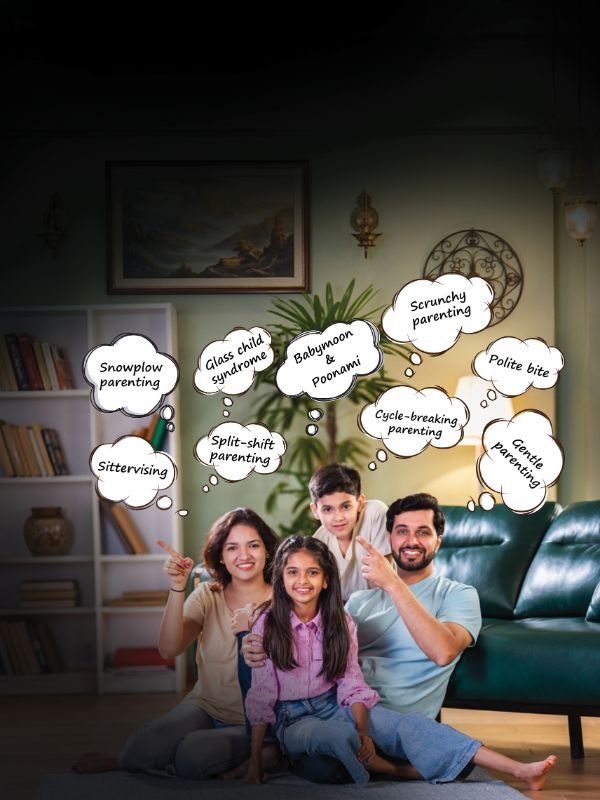
Snowplow parenting. Snowplough or bulldozer parents want to push all obstacles out of their children’s way to ensure their success and prevent them from experiencing life’s inevitable difficulties. It was coined by former US high school teacher David McCullough in his book You Are Not Special (2015), in which he advised parents to back off and let their children fail sometimes.

Dr. Nikhat Fatima
“This parenting style originates from genuine love and concern. Parents want to ensure their children are always safe, comfortable, and successful. However, shielding children from every challenge can adversely affect their long-term development. When parents intervene too often, children struggle to develop autonomy, self-sufficiency, decision-making and problem-solving capabilities,” says Dr. Nikhat Fatima, a Bengaluru-based psychotherapist.
Sittervising. A blend of sitting and supervising, sittervising is defined as a parenting style in which parents remain at hand and attentive while allowing children the freedom to play and explore without direction or intervention. Unlike over-involved parenting, sittervising recognises that children benefit from unstructured, self-directed play. By stepping back while being present, parents enable development of children’s creativity, curiosity, and problem-solving skills. Sittervising is acknowledged by psychologists as “balanced approach to parenting” in which attentive parental presence does not translate into control.
Split-shift parenting. A growing number of nuclear double-income families are experimenting with new ways of organising child-rearing responsibilities. Popular among them is split-shift parenting, in which parents deliberately divide childcare duties into shifts so that one parent is always available and present for the child. Often enabled by flexible work arrangements such as work-from-home, hybrid schedules, or staggered office hours, this system allows parents to coordinate professional commitments while ensuring consistent child care at home.

Divya Goel
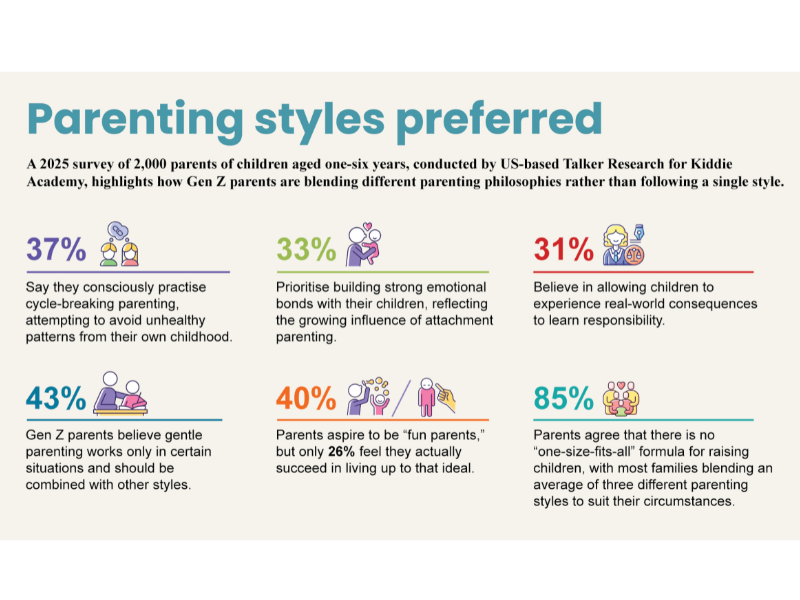 “In households where both parents can work out flexible work schedules, split-shift parenting reduces the need for external childcare and creates a more structured system of sharing responsibility. When caregiving roles are clearly defined, parents often experience less day-to-day friction than in households where responsibilities are negotiated repeatedly. Children also benefit from focused, uninterrupted time with one parent, rather than situations where both adults are present but distracted and/or multitasking,” says Dr. Fatima. Cycle-breaking parenting.
A cycle-breaking parent consciously identifies inherited, unhealthy behaviour patterns and works to change them for generation next. This requires reflecting on beliefs and practices centred around emotions, discipline, communication, and relationships that may have been normal for earlier generations but are no longer deemed healthy or constructive. By questioning and consciously reshaping inherited child-raising practices, cycle-breaking parents create a supportive, emotionally aware, and healthier home environment for their children.
 Glass child syndrome. This is a description of children who grow up with a sibling with chronic illness or special needs requiring constant parental attention. As a result, the other child often becomes “invisible” within the family, with her emotional needs overlooked.
“Glass children are often unintentionally ignored within the family because the special needs child demands greater parental attention. Over time, they feel pressured to become more independent, resilient, and self-reliant, and gradually stop expressing their own anxieties and needs. Such neglected children with pent-up emotions are likely to experience resentment, frustration, and loneliness leading to anxiety, depression, social withdrawal,” says Divya Goel, a psychologist, life coach and school counsellor at Presidency School, Bangalore East.
Conscious parenting. Dr. Shefali Tsabary, a US-based clinical psychologist and parenting expert, coined and popularised it in her book The Conscious Parent (2010). This concept has gained renewed attention in recent years as overworked, time-strapped Gen Z parents embrace the idea of slowing down and practising deeper, more mindful parenting.
Gentle parenting. Popularised by British author Sarah Ockwell-Smith in the 2010s, gentle parenting has attracted widespread attention in recent years. It places strong emphasis on children’s emotional and psychological – rather than academic — well-being, encouraging parents to respond to children with empathy, respect, and understanding. Contrary to the belief that gentle parenting adversely affects discipline, it advocates firm but compassionate boundaries. Instead of relying on punishment or rigid rules, parents guide children through calm communication, mutual respect, and by involving children in shaping family routines and expectations.

Crunchy parenting. ‘Crunchy parents’ typically embrace environmentally sustainable and eco-friendly practices and lifestyles. They favour a natural, holistic approach to raising children. They discourage excessive digital screen time and avoid processed foods, encouraging the family to be grounded in mindful consumption. Crunchy parents also prefer practices such as exclusive breastfeeding, natural or low-intervention childbirth, and the use of organic products, reflecting a broader commitment to health, sustainability, and environmentally conscious living.
Silky parenting. In contrast to crunchy parents, silky parents readily embrace the comforts and conveniences of modern life. They are comfortable indulging their children with the attractions of contemporary consumer culture — shopping malls and branded products to gaming consoles and the latest digital devices. Silky parents tend to view technology, entertainment, and material comforts as normative in childhood and don’t experience guilt about using them to keep children happy or occupied.
Scrunchy parenting. A blend of crunchy and silky parenting, scrunchy parents choose a middle path balancing natural living with conveniences of modern life. They combine mindful, sustainable practices with occasional indulgences. For instance, they may prioritise organic or home-cooked food during the week while offering children the occasional pizza night as a treat. Similarly, they use technology to connect, learn, and bond while remaining mindful of limiting children’s digital screen time.
Commando parenting. This is a highly authoritarian parenting style defined by strict discipline and rigid rules. Commando parents believe they are the final authority at home, expecting unquestioned obedience. While this parenting style may provide a semblance of order in the short term, it is becoming increasingly obsolete in today’s more egalitarian and expressive social environment. Children are likely to experience stifling repression as they prefer greater independence and voice in family decisions.
Sharenting. A blend of sharing and parenting, sharenting is the growing practice of parents posting details of their children’s lives on social media platforms. Beyond celebrating children’s milestones and special achievements, sharenting often includes sharing everyday moments — from weekend outings and school events to personal anecdotes and photographs. While such parents believe they are documenting family memories, compulsive sharenting raises concerns about children’s privacy and safety. It can make children vulnerable to online bullying and also raises an important ethical question: who gets to decide how much of a child’s life should be made public, especially when she is too young to give her consent.
 Social media parenting jargon
Social media has transformed parenting conversations, with blogs, podcasts, and parent influencers popularising a stream of new jargon. From humorous slang to practical caregiving phrases, these viral buzzwords capture the everyday experiences, dilemmas, and small triumphs of raising children in the digital age. Selected glossary:
Babymoon. A vacation or short getaway that expectant parents take before the baby arrives and the demands of parenthood begin.
Baby-led weaning. A feeding approach in which infants are introduced to solid foods by feeding themselves finger foods rather than being spoon-fed purees. The infant sets the pace of weaning.
Parentification. A situation in which a child takes on adult responsibilities within the family, such as caring for younger siblings, managing household tasks, and providing emotional support to parents.
Almond parenting. Parents who closely monitor or micromanage their children’s diets, often mandating restrictive or highly controlled eating habits.
Threenager. Three-year-olds who display emotional intensity, defiance, and mood swings associated with teenagers.
Poonami. A major diaper blowout that usually requires full clothing change.
Mombie. Exhausted, sleep-deprived mother usually of a newborn who feels like a ‘zombie’ while adjusting to the demands of caregiving.
Velcro baby. A clinging child who prefers constant physical closeness and becomes distressed when separated from parent/caregiver.
The 7-7-7 Rule. A relationship guideline suggesting that new parents go on a date every seven days, spend a full day together every seven weeks, and take a vacation together every seven months.
Polite bite. Encouraging children to try at least one small bite of a new food before deciding whether they like it.
Cluster feeding. A phase, common among newborns, when they feed frequently over a few hours, often in the evening.
Body doubling. A parent sits or works alongside a child while she completes a task, enabling her to remain focused and motivated.
Big feelings. A term used instead of “tantrum” or “meltdown” to describe intense emotions children experience when they cannot regulate them.
Contact naps. When a baby sleeps only while being held by a caregiver.
Container baby. Infants who spend excessive time in baby swings, bouncers, or car seats that restrict physical movement.
FAFO parenting. Short for ‘Fool Around and Figure Out’ parenting, it allows children to experience the natural consequences of their actions (within safe limits) so they learn responsibility, resilience, and problem-solving.









Add comment