





Mailbox
Endearing tribute
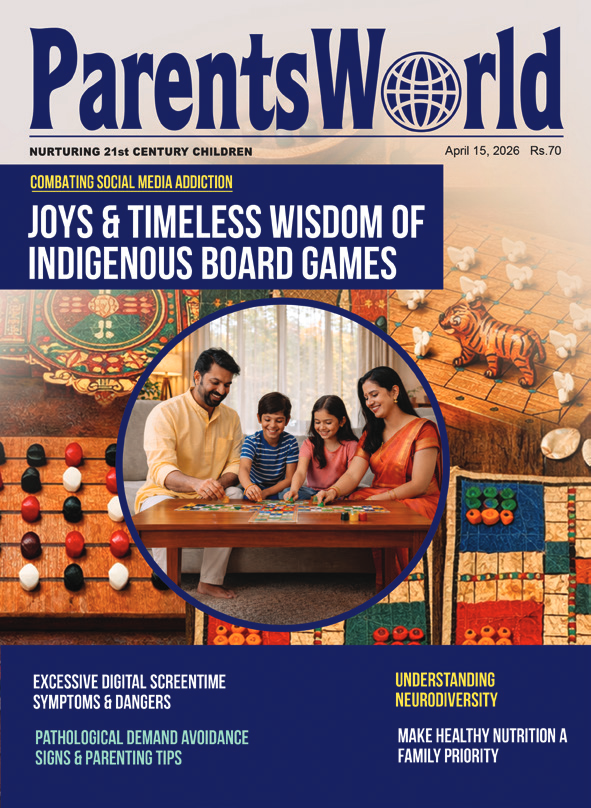
Your April cover story ‘Joys & Timeless Wisdom of Indigenous Board Games’ is a forceful and endearing tribute to India’s unsung heritage of board games and a persuasive call for parents and children to rediscover the beauty and wisdom of traditional games in the digital age.
I especially liked reading about the modern relevance of these ancient games, which only proves that these games still have the power to educate and bring people together.
They blend entertainment with life lessons in morality, strategy, and self-awareness, and develop children’s critical thinking skills. Playing these indigenous board games can be both joyful and purposeful.
Veena Reddy
Mangaluru
Move beyond one-size-fits-all pedagogies
Your Middle Years story on ‘Understanding neurodiversity’ (PW April) does an excellent job of explaining that neurodiversity is not about deficiencies, but about recognising natural variations in the human brain and valuing them as strengths. By highlighting how students with conditions like ADHD, autism, and dyslexia possess unique talents and perspectives, the narrative encourages educators to move beyond one-size-fits-all teaching pedagogies. It reminds parents and teachers that many neurodivergent children struggle not because of a lack of ability, but because traditional classrooms are often not designed to accommodate different ways of learning and information processing.
It also rightly highlights the importance of recognising early signs of neurodivergence. Early identification can help parents seek timely support, preventing children from experiencing unnecessary stress, low self-esteem, and academic difficulties.
Vidya Rao
Bengaluru
Heathy alternative
Your cover story calling for the revival of traditional Indian board games for children is deeply relevant in today’s digital screens-dominated world (PW April). The story explains how excessive exposure to smartphones, online gaming and social media is distancing children from meaningful social interaction, outdoor activity and mindful play.
I especially appreciated the way the story explained the educational and emotional value embedded in indigenous Indian games such as Pallanguzhi, Chaturanga, Pachisi and Aadu Puli Aatam. Unlike many digital games that encourage instant gratification and aggression, traditional board games teach children patience, strategy, resilience, emotions regulation and decision-making. Equally important, they strengthen family bonding.
In an age when parents are worried about children’s screen addiction and shrinking attention spans, reviving traditional games can provide a healthy and affordable alternative that nurtures cognitive and social skills.
Ananya Rao
Bengaluru
Humane approach importance
Your Special Essay ‘Pathological Demand Avoidance: Signs & Parenting Tips’ (PW April) is a must-read for parents. It explains a complex behavioural profile with clarity and sensitivity, helping parents recognise that children’s extreme resistance to demands is frequently rooted in anxiety rather than wilful defiance.
Particularly commendable is the author’s emphasis on empathy, flexibility, and trust-building as effective parenting strategies. It offers practical easy-to-implement suggestions such as offering choices, softening demands, and prioritising emotional safety for caregivers navigating challenging situations. By encouraging parents to move away from punitive measures and towards collaborative support, the article promotes a more humane and constructive framework for raising children with PDA traits.
Keerthana Patil
Mumbai
Non-preachy advice
Thank you for highlighting the importance of inculcating healthy food habits at home with parents leading by example (PW April). What makes the essay stand out is its emphasis on nutrition as a shared family responsibility rather than an individual obligation.
Moreover, neonatal paediatrician Dr. Priya Shivalli encourages mindful eating and balanced lifestyles without sounding preachy.
Piya Shah
Vadodara









Add comment