






Raising independent children
PW invited parents of JBCN International School (Chembur & Oshiwara campuses) to share insights on how they enable their children to work independently

“Over the years, I have realised that independence grows through trust, consistency and daily habits. I started by giving my sons — Vedant (grade IX) and Ishaan (grade V) — age-appropriate responsibilities, even when tasks were not completed perfectly. Allowing them to make mistakes was challenging but essential to their learning. Instead of solving problems for them, I guided them to think independently and find their own solutions. Maintaining clear routines and structure helped build their confidence, responsibility, and decision-making skills, preparing them not only for school but also for life” — Rishika Vijay Bahri, homemaker

“Helping my daughter Rabbani (grade II) become independent is more about stepping back than stepping in. I give her small tasks and the space to complete them in her own time, even if it takes a little longer. She now packs her school bag on her own and has created her own timetable to remain organised. When she forgets something, I treat it as a gentle learning opportunity rather than remind her. I try to guide and encourage her efforts so she gains confidence, learns from mistakes, and feels trusted. I believe independence grows through trust and patience” — Karishma Reporter, homemaker & theatre artist

“We set clear expectations and encourage our ten-year-old son Amman (grade V) to handle age-appropriate tasks independently. From purchasing small items at shops to confidently ordering food in restaurants, we use everyday experiences to help him develop skills and self-confidence. We believe independence grows through consistent opportunities to make decisions, solve problems, and take responsibility for actions. By gradually increasing his involvement in daily tasks, we are helping him become more confident, capable, and responsible, while preparing him to navigate the world with maturity” — Tanvi Qaiser, homemaker
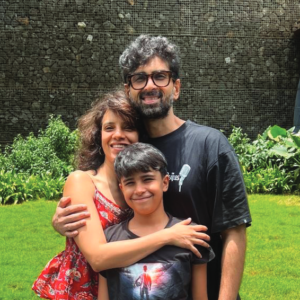
“Our parenting strategy is simple: do a little less, trust a little more. We have realised that the more we hover around our son Ivaan (grade IV) the less he tries…so we sometimes pretend to be busy and let him figure things out on his own. Whether it’s homework or everyday tasks, we give him the space to try, stumble, and try again without rushing in to fix things. There’s a bit more chaos along the way, but also a lot more confidence. Over time, he’s beginning to trust his own ability and that feels like the real win!” — Sakshi Talwar, India Head of Communications, LinkedIn











One comment
Ishaan Bahri
wowwwwww i am so cool