






Letter from Managing Editor
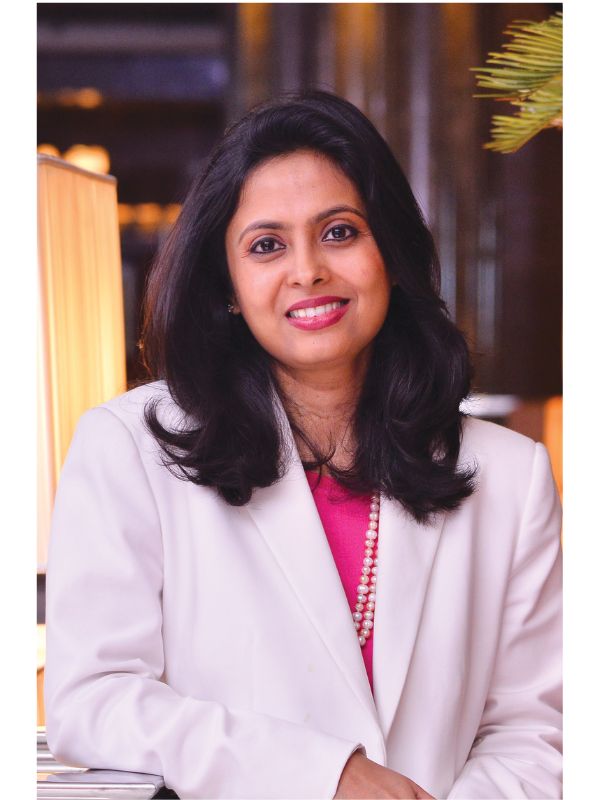
Summiya Yasmeen
The average urban middle class Indian household has experienced dramatic transformation in the new millennium. The traditional joint family comprising grandparents, parents and children has all but disappeared and two-parents and children nuclear family is normative in urban and peri-urban India. Another prominent mutation of the family unit is the rapid emergence of single parent and child households. Prompted by several factors including meltdown of joint families, increase in number of nuclear households, social emancipation of women, economic liberalisation, relaxation of divorce laws, among others, the number of one parent households has risen substantially. According to the United Nations The Progress of the World’s Women 2019-2020: Families in a Changing World, 8 percent of all households worldwide are managed by single parents, the majority of them women. In India, 4.5 percent of Indian families (13 million) are single-mother households, estimates the report.
For single parents, especially women, managing children poses formidable challenges. Whether single by divorce, widowhood, separation, choice or abandonment, single parents are obliged to shoulder responsibilities traditionally shared by two adults. They are obliged to simultaneously discharge the duties of financial provider, caregiver, disciplinarian, emotional anchor and decision-maker. From managing work and childcare duties to attending school meetings, caring for children’s health and providing emotional security, they juggle a stream of responsibilities while coming to terms with personal loss. In sum, single parenting is hard slog.
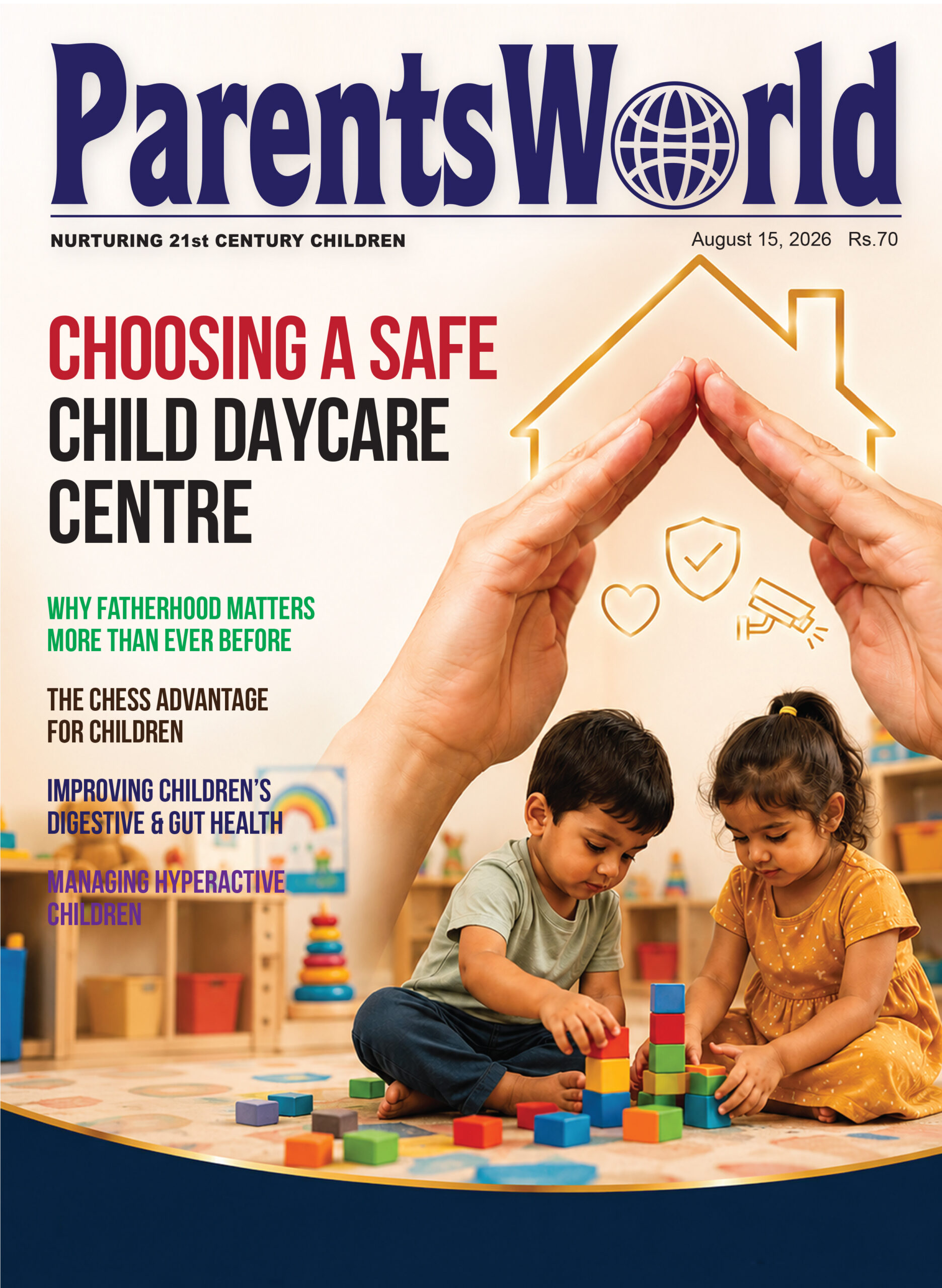
In our cover story this month, we focus on the rising phenomenon of single parenting and its trials and tribulations, highlighting the experiences of single parents bravely coping with parenting challenges and child-rearing advice from counsellors and psychologists. We also call for relatives, friends and neighbours to provide support and shed traditional stigmatisation attitudes.
This important message apart, there’s a wealth of valuable parenting advice and information in this monsoon issue of PW. In a Guest Column, early childhood education expert Dr. Swati Popat Vats explains why children need risky and destructive play to develop emotional resilience and critical life skills. Moreover in a Special Essay, Durham University’s Sophie Lovell-Kennedy provides valuable guidelines about the safe use of baby slings. Also recommended is our Health story, which offers useful information about calcium-rich foods that parents should incorporate into children’s everyday diets to ensure optimal bone growth and development.








Add comment