






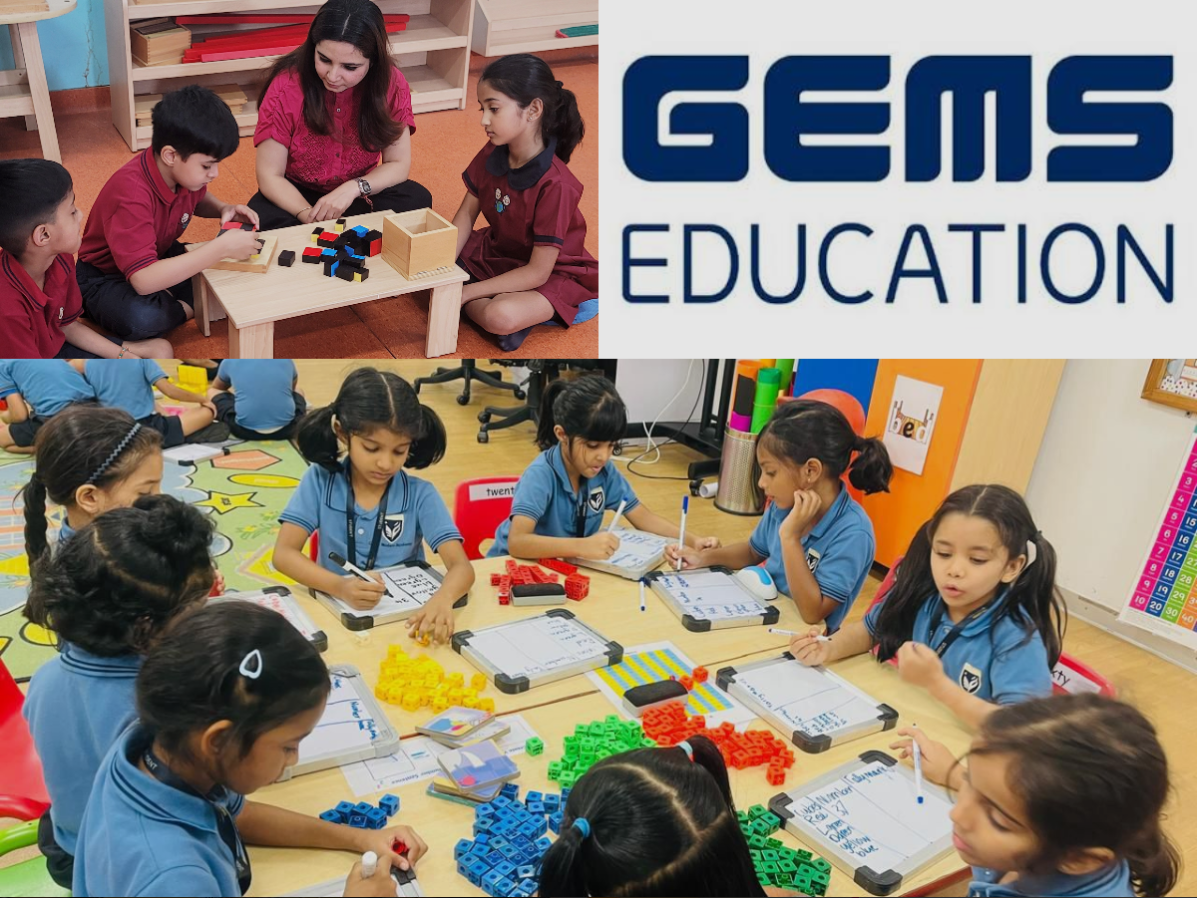
GEMS Modern Academy: Building Lifelong Success Through Early Childhood Education
– Biju Baby, Principal, GEMS Modern Academy, Kochi
While discussing educational success and learning outcomes, schools and parents often focus on Grades 10 and 12 because these are important examination years. While performance during these years matters, the foundations for success are laid much earlier. The early years are the most important stage of a child’s educational journey. When the right foundations are established early, there is less need to address academic, behavioural, and social challenges later in school.
Early childhood education plays a critical role in shaping how children learn, think, and respond to the world around them. During the first eight years of life, children develop the foundations of literacy, numeracy, communication, and problem-solving. More importantly, they begin to develop the habits and dispositions that influence their approach to learning and life.
This is where the concept of Habits of Mind becomes particularly relevant. Successful learners are not defined solely by what they know, but by how they respond when faced with challenges, uncertainty, or new situations. During the early years, children begin to learn how to persist when tasks become difficult, manage their impulses, listen to others with understanding and empathy, think flexibly, take responsible risks, and remain open to continuous learning. These habits are not developed through occasional lessons; they are cultivated through daily experiences, consistent expectations, and meaningful opportunities to learn from both success and failure.
The early years are also the ideal time to nurture leadership. Leadership begins with taking initiative, making choices, asking questions, and accepting responsibility. Children should be encouraged to think independently and express their ideas with confidence while understanding the importance of accountability. Education should strike a balance between developing individual agency and fostering a sense of responsibility towards others. Participation in mandatory school activities helps children develop commitment, discipline, teamwork, and a sense of belonging. These experiences teach them that individual success and collective responsibility go hand in hand.
Equally important is providing opportunities that encourage children to move beyond their comfort zones. Whether through performances, sports, outdoor learning, creative arts, or service activities, children learn to manage uncertainty, overcome challenges, and build confidence. Participation in voluntary activities further develops independence, ownership, and intrinsic motivation. These experiences often become the foundation for future leadership.
Ultimately, early childhood education is not simply preparation for the next stage of schooling. It is the stage at which habits, character, and attitudes are formed. By investing in the early years, schools and families create the conditions for children to become capable learners, responsible individuals, and future leaders. The habits developed during these formative years continue to shape how children learn, lead, and contribute throughout their lives.
Also Read: GEMS Education to expand India footprint with USD 30 million investment








Add comment