






Why academic credentials are no longer enough for India’s professors
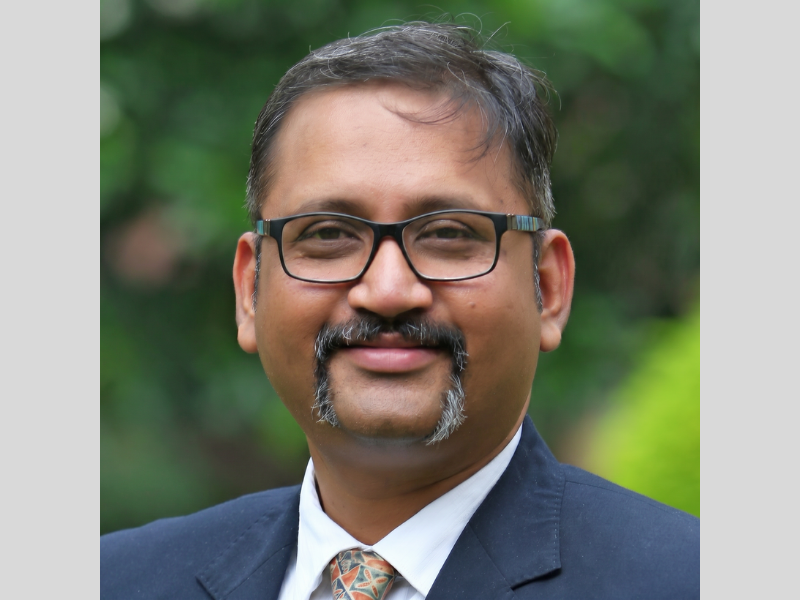
– Dr Anirban Chaudhuri, Chief Strategy Officer, Hashtag Orange
The recent, heart-wrenching suicide of Rishikesh Kumar, a 31-year-old MSc Physics student at the Indian Institute of Technology (IIT) Delhi, has sparked student anger that refuses to subside. Beyond the immediate grief, the ensuing campus protests have focused attention on a deeper and more insidious institutional failure.
At the centre of the controversy is a chilling remark allegedly made by the institute’s Associate Dean of Student Welfare, who reportedly described the struggling student as being “beyond repair”. The comment sent shockwaves through the student community, not only because of its alleged insensitivity but also because of who reportedly made it: a highly decorated Class of ’66 Chair Professor of Chemical Engineering, recognised by the government as one of the country’s leading women in science.
The tragedy has forced open an uncomfortable debate that Indian academia has long swept under the rug. Why does elite academic brilliance so often coexist with a lack of emotional intelligence? And why do we assume that a stellar h-index makes someone capable of supporting vulnerable young people?
The missing soul of the modern guru
This clinical, detached approach to education represents a damaging departure from its historical foundations. In ancient Indian traditions, the transmission of knowledge was never a purely transactional exchange of information. Institutions such as Nalanda and Takshashila were rooted in a philosophy in which intellectual capability, or vidya, was accompanied by compassion and moral grounding.
The guru-shishya relationship was deeply pastoral. A teacher was regarded as morally responsible for a student’s psychological well-being and holistic development. Academic growth was understood to be difficult when a student’s mind was fractured by anxiety or isolation.
Modern Indian higher education, however, has hollowed out this philosophy. Heavily influenced by rigid bureaucratic metrics, institutions now hire and promote faculty largely on the basis of research grants, journal publications and technical credentials. In the race for institutional rankings, professors have increasingly become subject-matter experts, while students risk being reduced to data points on placement spreadsheets.
How the West separates research from care
Elite Western universities have spent years grappling with this disconnect, gradually recognising that a brilliant researcher can be a destructive mentor if they lack basic empathy. To address this, institutions such as Oxford and Harvard have established systems that separate academic supervision from emotional support.
At Oxford, the tutorial system is supplemented by pastoral support structures. A student’s academic supervisor is not necessarily the person responsible for their personal well-being. Students may receive support from personal tutors, welfare advisers and other designated staff. This helps mitigate the power imbalance that can prevent students from discussing mental health concerns with the professor who holds considerable influence over their academic progress.
Harvard, meanwhile, uses administrative protocols such as the Crimson Folder to help faculty recognise signs of distress and refer students to professional support services. The emphasis is on training academic staff to identify warning signs and direct students to qualified clinicians, rather than expecting professors to act as mental health professionals.
A structural shift: Systemic reforms on the horizon
The repercussions of the IIT Delhi tragedy, combined with continuing reports of student distress across India’s leading campuses, have increased pressure on regulatory bodies to intervene.
Following directions from the Supreme Court, the University Grants Commission (UGC) has introduced a uniform mental health policy for higher education institutions. The framework calls for measures such as regular gatekeeper training for teaching staff to help them recognise early warning signs of depression, emotional distress and self-harm.
At the same time, institutions such as IIT Delhi have begun reviewing intense academic pressures by reducing credit requirements and removing minimum CGPA thresholds for graduation.
The way forward: Redefining the classroom
If Indian universities are to evolve from pressure cookers into genuine centres of learning, regulators must introduce structural changes to the way faculty members are trained and evaluated:
- Mandatory mental health training: Basic psychology, sensitivity and mental health response training should be compulsory for faculty members. Just as corporate leaders undergo emotional intelligence and sensitivity training, professors should be trained in psychological first aid before taking responsibility for classrooms or student welfare.
- Revamping selection criteria: Hiring and promotion frameworks for professors must look beyond academic credentials. Behavioural interviews, student feedback, demonstrated empathy and a proven record of mentorship should carry weight alongside research publications.
- Professionalising welfare portfolios: Administrative roles dedicated to student well-being, including those of deans and associate deans of student welfare, should not be treated as additional, rotating responsibilities assigned to faculty members without specialised training. These positions should involve certified psychologists, social workers or other professionals trained to manage mental health crises.
Degrees demonstrate what a person knows, but they say little about how that person treats others. Until empathy is regarded as a core qualification rather than an optional soft skill, Indian campuses will continue to lose some of their brightest minds to an unfeeling system.
Also read: Is returning to India after studying abroad becoming a strategic career choice?











Add comment