






From Foreign Degrees to Career Outcomes: The New Study Abroad Mindset
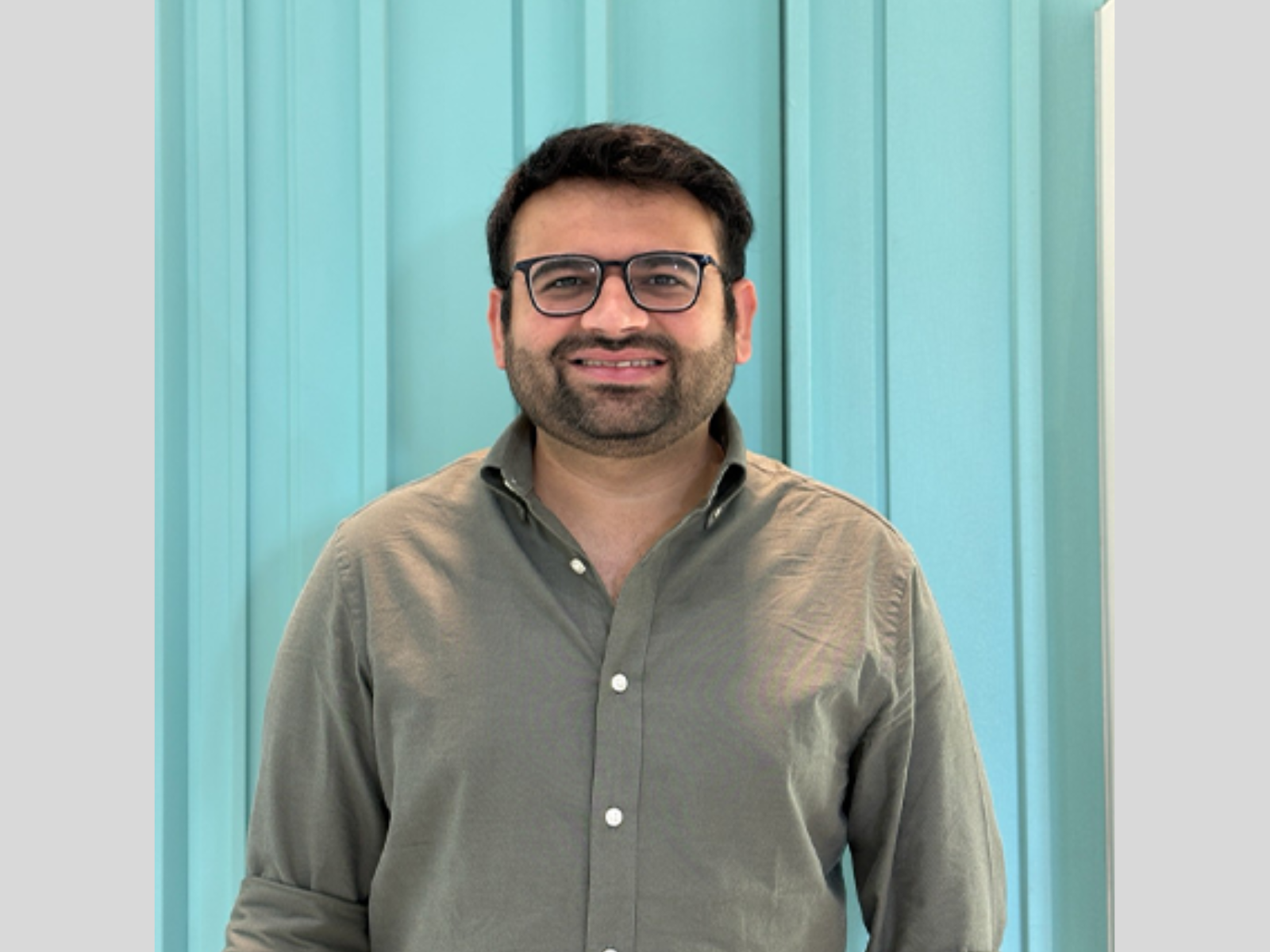
– Dhruv Krishnaraj, Co-Founder and Director, Student Circus
International education is increasingly being evaluated through a different lens. For years, the starting question for many Indian students was simple: Which university should I attend, and in which country? Today, that question is increasingly being replaced by a more practical one: What will this experience do for my career?
This shift is understandable. The cost of studying overseas has risen, immigration policies are changing, and students and families are paying greater attention to return on investment. A foreign degree continues to hold value, but the degree itself is no longer enough. Students are increasingly looking at what they can build around it: skills, experience, professional networks and access to employment opportunities.
The AICTE–Mitacs Globalink Research Internship 2027 is one example of this evolving landscape. By offering Indian undergraduates a fully funded 12-week research experience in Canada, programmes of this kind highlight the potential of shorter, targeted international experiences. They can expose students to a new academic and professional environment without requiring the same financial and time commitment as a full overseas degree.
The larger lesson is that students should start with the career they want rather than the university they want.
Before selecting a destination or programme, students should identify the roles and industries they hope to enter and work backwards. What skills do employers expect? Where are those opportunities growing? What type of experience is valued? Which countries or institutions can help students build that experience? A highly ranked university can be valuable, but its value becomes far greater when its programmes connect students with the skills, experiences and employer ecosystem relevant to their ambitions.
Immigration should also be considered from the beginning. Visa and post-study work rules can significantly influence the value of an international education. Students need to understand how long they can remain in a country after graduation, what work they are permitted to undertake, whether pathways to sponsored employment exist and how current immigration policies could affect their plans.
This is particularly important because immigration rules can change. Students should therefore assess the pathways available when making their decisions rather than relying on the experiences of friends, relatives or alumni who studied abroad several years earlier.
The same level of realism is needed when calculating return on investment. ROI is not simply a comparison between tuition fees and a graduate’s starting salary. Students should consider the complete cost of education and living, the time required to recover that investment, employment prospects in their chosen field and the opportunities available after graduation.
The right question, therefore, is not always, “Which country is the cheapest?” It is, “Where can my investment deliver the strongest combination of education, experience and career opportunities?”
Students should also look closely at what employers actually want. Academic qualifications remain important, but employers increasingly seek evidence that graduates can apply what they have learnt. Depending on the sector, this could include technical skills, analytical ability, communication, commercial awareness, research experience or project work.
This means students should ask a simple but important question before choosing a programme: What will I be able to demonstrate to an employer when I graduate?
Opportunities to gain experience while studying can make a significant difference. Internships, placements, research projects, part-time work and industry-linked programmes allow students to translate classroom learning into practical capabilities. For international students, local experience can be particularly valuable. It can help them understand workplace culture, build professional networks and demonstrate their ability to operate effectively in the market in which they hope to work.
Finally, students should compare countries based on the entire career journey rather than isolated factors. Their decisions should take into account the cost of education, scholarships and funding, internship opportunities, employer demand, potential starting salaries, post-study work options and longer-term immigration pathways.
There is no universally ideal destination. The right choice depends on a student’s career ambitions, financial circumstances, risk appetite and long-term goals.
The changing study-abroad mindset is, therefore, not about abandoning the value of a foreign degree. It is about placing that degree in context. International education should be viewed as an investment in a career, not simply as an academic credential.
As students become more conscious of employability and ROI, institutions and education ecosystems will also need to demonstrate the outcomes they can deliver beyond the classroom. The most valuable international experiences will increasingly be those that help students acquire relevant skills, gain meaningful exposure, build networks and understand the employment landscape.
For students, this shift is ultimately empowering. Instead of asking only where they can study, they can begin by asking where they want their careers to go and then choose an international education pathway that helps them get there. This means evaluating every opportunity not only by its prestige but also by the capabilities it builds and the doors it can open after graduation.
Also Read: Fit the lab, miss the point: Why mentors decide whether coding education survives in rural schools









Add comment