



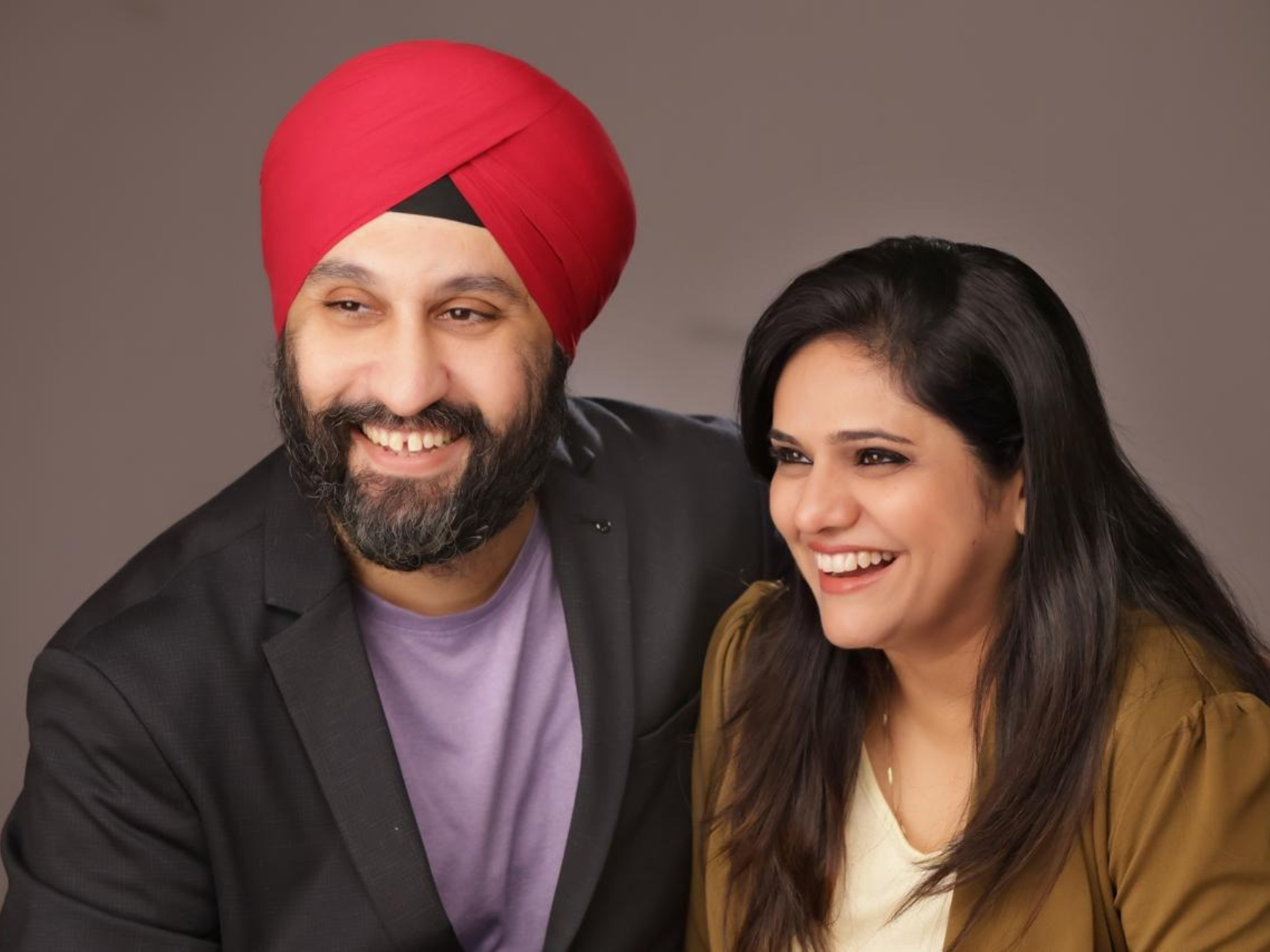
– Arushi Govil and Dalbir Singh, co-founders of Kayhan Entertainment
A child who watches an animated film is consuming a story. A child who imagines a different ending, sketches a new character or builds an entire world around it is creating. This simple shift from consuming stories to creating them presents an opportunity for India’s education system to rethink how young minds learn, express themselves and discover their potential. Education has traditionally focused on absorbing information, understanding concepts and performing in examinations. These foundations remain important, but the future will also demand imagination, independent thinking and the ability to turn ideas into something original. Introducing creative exploration early can help children move beyond learning what already exists to imagining what could exist.
This becomes particularly important as India looks towards the Orange Economy, where creativity, technology and intellectual property are becoming significant economic assets. Animation, gaming, film, design, music and digital storytelling are creating opportunities to build businesses around original ideas and reach audiences across the world. For India, with its rich cultural heritage, diverse languages and deep storytelling traditions, the opportunity extends beyond supplying creative talent. It lies in building original intellectual property that can travel globally, create lasting value and establish Indian stories in international markets. However, a strong creative workforce alone cannot build a strong Orange Economy. The missing link is the journey from talent to ownership: helping creators turn their ideas into characters, stories and intellectual properties that can be developed, protected and commercialised. Creating a memorable character is only the beginning. Sustaining it requires storytelling, an understanding of audiences, knowledge of intellectual property and the ability to build a world around it. India has the technical talent and cultural material to create globally relevant properties; what needs greater attention is an ecosystem that supports original thinking and enables creators to take their ideas from concept to creation and beyond.
Character building is an important part of this journey, both in the stories we create and in the people who create them. Developing a story requires empathy, perspective and an understanding of human behaviour. Bringing an idea to life calls for patience, collaboration, the ability to accept feedback and the willingness to begin again when something does not work. These experiences help young people develop resilience, confidence and problem-solving skills. Creative education, therefore, is not only about preparing students for careers in animation or gaming. It is also about helping them become more thoughtful, adaptable and imaginative individuals. The global entertainment landscape offers a useful perspective on why original characters matter. From Spider-Man and Batman to Mickey Mouse, these creations have grown far beyond their first appearances, becoming cultural icons across films, television, gaming, merchandise and experiences. Their strength lies in the worlds, emotions and identities they represent, allowing audiences across generations to form lasting connections with them. India has its own extraordinary universe of mythology, folklore and contemporary experiences, yet it continues to have relatively few Indian-origin superheroes and fictional characters with comparable global recognition. We have stories worth telling, but we need stronger pathways to develop them into enduring intellectual properties that audiences everywhere can connect with.
That journey can begin much earlier than the professional studio. Imagine a classroom where children are encouraged to sketch their own superheroes, invent characters inspired by their neighbourhoods, reimagine a story told by their grandparents or build a short animation around an issue they care about. Art, animation and visual storytelling could be introduced as structured electives or additional subjects in middle and secondary school, giving students the opportunity to experiment with ideas while applying what they learn. History could be explored through animated sequences, environmental science through character-led stories and mathematics through design. Such an approach would build on the National Education Policy 2020’s emphasis on experiential and interdisciplinary learning while helping children discover creative abilities that conventional assessments may not always reveal. The aim is not to turn every child into an animator or filmmaker. It is to give every child the opportunity to create, explore and express an idea. This must also be accessible beyond well-resourced schools and major cities. A pencil and paper can be the starting point; digital tools and artificial intelligence can open up further possibilities. As AI changes how creative work is produced, the ability to imagine, make thoughtful decisions, understand emotion and bring a distinct cultural perspective will become even more important. Children should learn to use technology to expand their imagination, not replace it.
As India looks towards 2030 and beyond, schools, colleges and the creative industry must work together to connect early creative learning with specialised training and professional opportunities. Initiatives such as MACRA (Motion Arts Creative Academy), powered by Kayhan Entertainment, aim to develop talent across animation, VFX, gaming, filmmaking, virtual production and AI-led creative technology. Such pathways can help young people progress from experimenting with ideas to acquiring the skills needed to build creative careers and develop original work. India’s ambition for the Orange Economy must extend beyond producing skilled professionals. It must include nurturing creators who can build characters, worlds and intellectual properties that belong to India and resonate with the world. If we want the next generation to create its own superheroes, stories and cultural icons, we must give children the freedom and tools to sketch those dreams while they are still learning. The future of India’s creative economy may begin with something as simple as a child drawing a character and being encouraged to imagine what that character could become.
Also Read: Global learning, Indian roots: Expanding opportunity in India’s classrooms








Add comment