




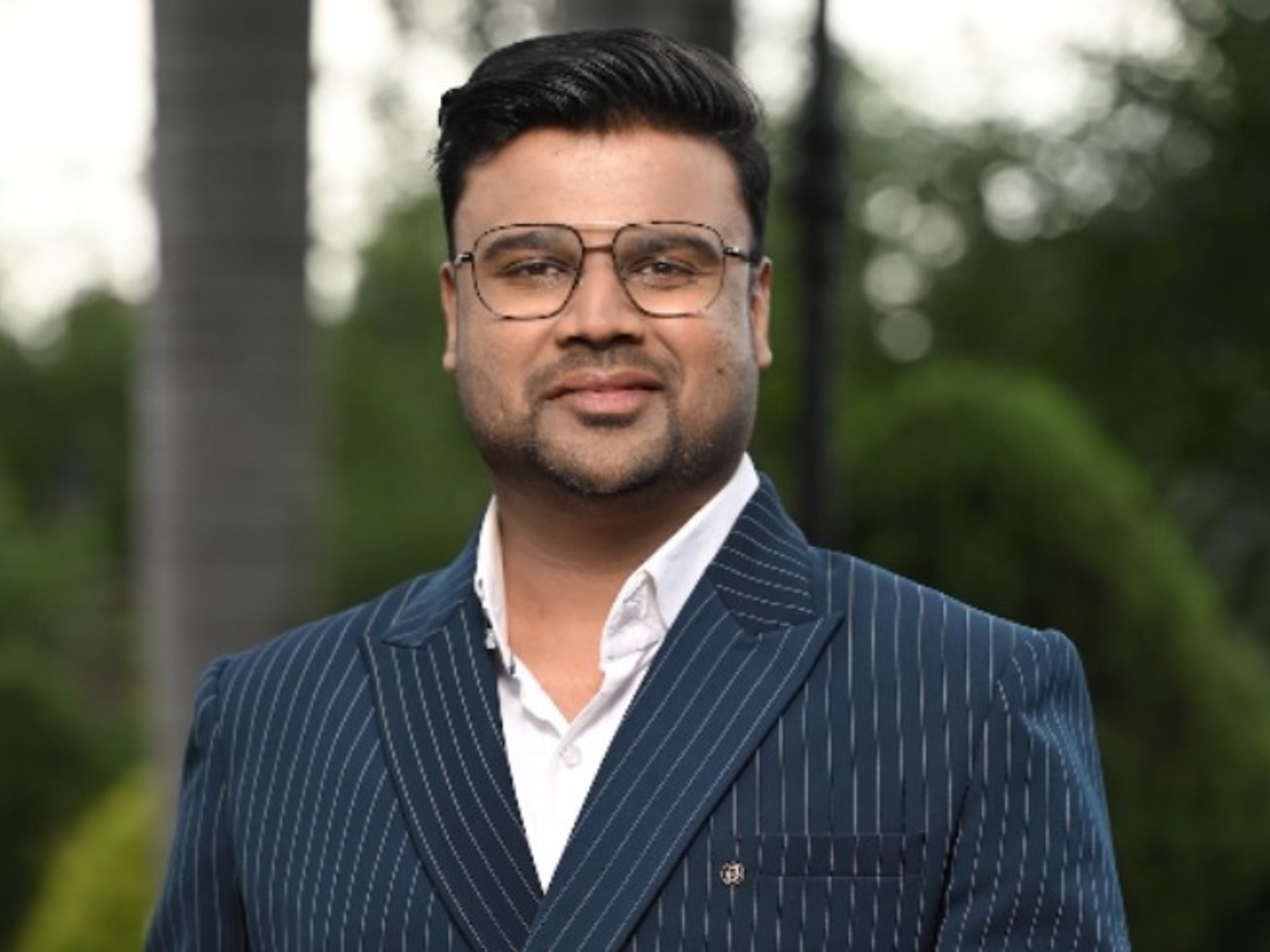
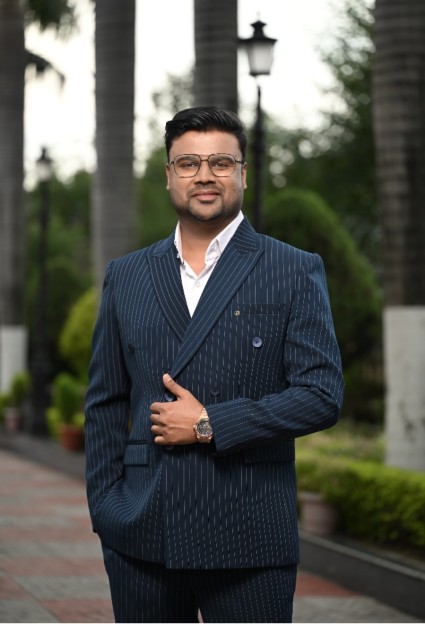
– Raunak Jain, Senior Vice President and Co-Founder, Tulas Group
I have always believed that the true test of education is not what children do when a teacher is standing in front of them; it is what they do when nobody is watching.
Can they make a decision? Can they accept responsibility when something goes wrong? Can they work with people who think differently? Can they handle failure without giving up? And, perhaps most importantly, can they understand themselves well enough to make meaningful choices about their future?
These questions have shaped my thinking about education and my work at Tulas International School and Tulas University, Dehradun.
Education Must Prepare a Child for Life
Academic achievement definitely matters. A strong academic foundation gives students knowledge, discipline and the ability to pursue higher education and professional opportunities. But marks alone cannot tell us whether a young person is ready for life.
Education must develop both capability and character.
Character building does not happen through lectures on values. It happens through everyday choices: taking responsibility, keeping a commitment, accepting a setback, helping someone else, speaking up when something is not right and learning to make decisions independently.
This is why I believe schools must give children opportunities to practise these qualities rather than simply teach them as concepts.
The Residential School Is an Extended Classroom
Residential education offers a particularly powerful environment for this.
When children live together, education does not stop when the school bell rings. They learn to manage their time, share spaces, resolve disagreements, take care of their belongings and understand that independence comes with responsibility.
At Tulas International School, we see the residential experience as part of education itself. Our responsibility is not to create a comfortable bubble around children, but to give them enough support and enough responsibility to gradually become independent.
A boarding school must also give children a sense of belonging. They should feel known, heard and secure. Recent conversations around boarding education have reinforced something I strongly believe: happiness is not separate from education. A child who feels a sense of home is more willing to participate, take risks, learn from mistakes and eventually become independent.
But happiness cannot mean insulation from the world. Students must also understand that privilege carries responsibility.
Raasta & Career Counseling: Helping Students Find Their Direction
One initiative particularly close to my vision is Raasta, our student development and counselling programme.
Raasta was created with a simple idea: before we ask a young person what he/she wants to become, we should help young individuals understand who they are.
The programme works on goal setting, teamwork, innovation, self reflection, curiosity, critical thinking, research, strategic planning, communication, decision making, time management and emotional intelligence. Career counselling is an important part of this journey.
Career guidance should not begin with a list of popular courses. It should begin with questions about the student: What are my strengths? What interests me? Where do I need to improve? What kind of problems do I enjoy solving? What opportunities are emerging? What skills will I need in the future?
In a world being reshaped by technology and artificial intelligence, the ability to keep learning and make good decisions may be more valuable than choosing one profession at the age of seventeen.
Give Children Different Ways to Discover Themselves
A child does not discover his strengths only through examinations.
This is why activities at Tulas are not treated as decoration around the academic programme. Bookworm, Raga Rocks, The Circuit, Shutterbug, Gulmohar, Potter’s Wheel and our other clubs give students different ways to explore their interests.
 Sports play a similar role. Our students have competed at state, national and inter-school levels across basketball, skating, swimming, badminton, shooting, chess, taekwondo, football and other disciplines.
The medal matters. The result matters. But so does the student who learns discipline through practice, the child who learns to lose with dignity, or the young person who discovers confidence on a stage or playing field. These are essential educational outcomes too.
A Modern Gurukul for A Changing India
The idea of a modern Gurukul is central to how I see Tulas.
The traditional Gurukul placed importance on discipline, relationships, community and learning through living. Modern education gives students technology, global exposure, new disciplines and access to knowledge on an unprecedented scale.
I do not believe we have to choose between the two.
We can give students access to the world while keeping them rooted in values.
Technology can give a student information in seconds. It cannot decide whether that information is true, how it should be used, or whether a particular decision is right. The right use of technology requires judgement, ethics and character.
That is why future-ready education must remain deeply human.
What Should a Tulas Student Carry Forward?
My vision is not simply to see students leave Tulas with strong examination results, although academic excellence will always remain important.
I want them to leave with confidence, curiosity, discipline, empathy and the ability to think independently. I want them to know how to communicate, how to work with others, how to respond when plans fail and how to make decisions without constantly waiting for someone else to make them.
Most importantly, I want them to understand that education is not only about personal success. It is also about contribution. For me, that is the real purpose of a school.
A child may forget a particular lesson years after leaving school. But if he carries forward the confidence to ask questions, the discipline to keep learning, the courage to make decisions and the character to use opportunities responsibly, then education has done its job.
The classroom is where learning begins. The real education is preparing a young person to step beyond it.
Also read: The Next Lesson: Reimagining Education, Parenting & the Future of Learning


Add comment