
No products in the cart.






Every child is unique: recognising diversity in learning styles
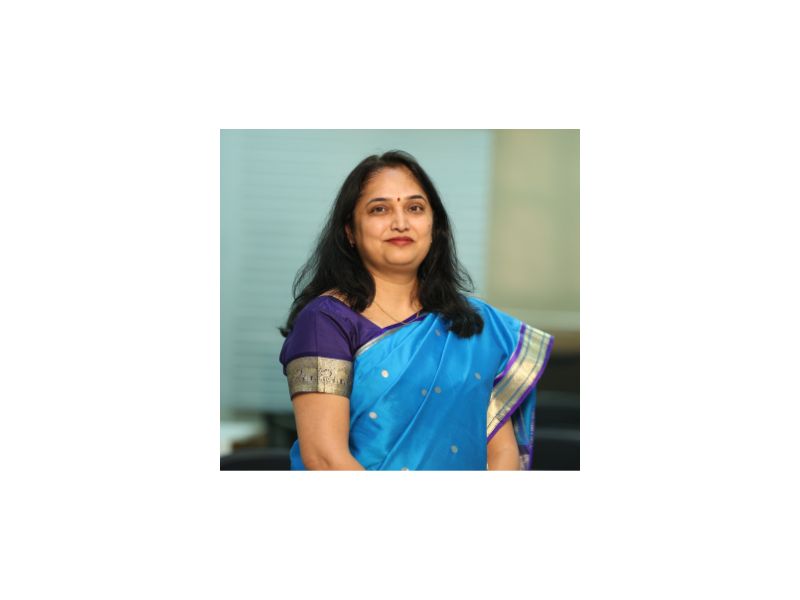
– Pranati Mitra, Principal, Swami Vivekanand High School & Junior College
Classrooms reflect the individuality of children, each with distinct temperaments, preferences and ways of processing information. Some observe before acting, some question every new idea, and others gravitate naturally towards words, images or numbers. Education, at its core, involves recognising and accommodating these differences.
Understanding learning styles
Common learning modes—visual, auditory and kinesthetic—offer a framework for how children engage with information. Visual learners respond to diagrams and spatial cues. Auditory learners process ideas through discussion, storytelling and verbal explanation. Kinesthetic learners learn through movement, hands-on tasks and experimentation.
Most children draw from more than one mode. A learner may enjoy experiments yet recall verbal instructions more clearly, or prefer stories but express ideas better in writing. Recognising this mix helps teachers and parents support varied learning pathways.
Multiple intelligences
Howard Gardner’s theory of multiple intelligences broadened the definition of ability beyond traditional academic measures. Linguistic, logical-mathematical, spatial, bodily-kinesthetic, musical, interpersonal, intrapersonal, naturalistic and later existential intelligences highlight the varied ways children interact with the world.
A child building detailed structures shows spatial intelligence; another who reads emotions well displays interpersonal intelligence; and one who maintains rhythm demonstrates musical intelligence. Acknowledging these abilities encourages students to value their strengths and reduces reliance on narrow academic benchmarks.
Diversity in the classroom
Children differ not only from one another but also from the adults who teach them. A single classroom may include quick responders, reflective thinkers and students who seek practical applications before forming conclusions.
Effective teaching incorporates a blend of methods—discussion, demonstration, writing and hands-on activities—to meet learners where they are while encouraging gradual expansion of their skills. Group projects further show how diverse strengths complement one another, enabling each child to contribute meaningfully.
Role of creative and holistic education
Activities such as art, music, drama, sport and project-based learning are essential components of learning. They support emotional development, collaboration and confidence.
Metacognition—awareness of how one learns—helps children become independent learners. When students recognise whether they understand best through listening, drawing or doing, they are better equipped to navigate new challenges.
School events that highlight varied student work reinforce the message that different talents hold equal value.
Prioritising celebration over comparison
Comparison remains a common pressure for children, often shifting focus from progress to performance. Growth varies by individual, and comparisons can undermine confidence.
Acknowledging small achievements builds self-worth and encourages steady improvement. When children are encouraged rather than measured against peers, they develop motivation and resilience.
Towards inclusive and personalised learning
Advances in artificial intelligence, neuroeducation and adaptive learning are reshaping how classrooms respond to individual needs. While technology can support personalisation, the foundation remains human connection and respect for unique learning patterns.
Recognising diverse learning styles represents a broader cultural shift—one that views differences as strengths and asks how each child can be supported to succeed.
Conclusion
Acknowledging diversity in learning styles ensures that no child is overlooked. Teachers become facilitators, parents become partners and learning becomes a process of discovery.
When each child’s strengths are recognised and nurtured, they develop into confident learners and thoughtful citizens prepared to contribute to a more inclusive future.
Also Read: The lasting impact of early learning









Add comment