
No products in the cart.





Letter from Managing Editor

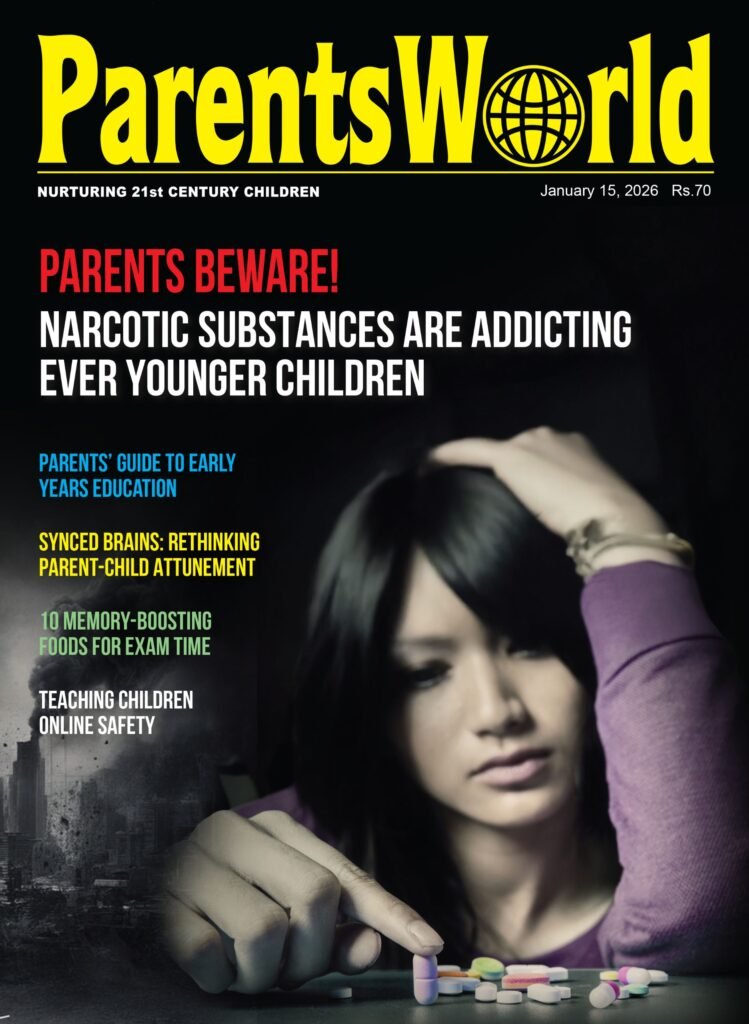
To the lengthening list of thousand unnatural shocks that citizens in reportedly fast-track India — “the world’s fastest growing major economy” — experience, add one more: the rising incidence of teenage – and even pre-teen narcotic substances abuse.
According to the International Narcotics Control Board (INCB), because of its proximity to opium production regions like Afghanistan and Southeast Asia’s Golden Triangle, large population, and emerging synthetic drugs market industry, India has emerged as a major hub for the production and consumption of illicit drugs and substances. A 2019 national survey of the Union ministry of social justice and empowerment reports that 71 million citizens countrywide are dabbling with dangerous banned substances.
Given India’s demographic profile — 47 percent of the population is under 25 years — the most at-risk group are children and youth. A year-end survey conducted by the National Drug Dependence Treatment Centre of the top-ranked All India Institute of Medical Sciences (AIIMS), Delhi, indicates that the average age of children inducted into the usage of narcotic substances — tobacco, alcohol, opioids, cannabis and inhalants — is 12.9 years. Moreover, the survey which covered 6,000 government and private school children in 10 Indian cities including Delhi, Mumbai, Bengaluru, Chandigarh, Hyderabad, and Lucknow, reports that 31 percent of child substance abusers experience high levels of psychological distress.
In our cover story this month, we beam a spotlight on this often side-stepped issue to highlight ways and means parents can safeguard and prevent children from descending into the abyss of harmful substances addiction. The consensus of opinion among child psychologists and parenting experts is that prevention is better than cure. And the onus is primarily on parents. They have to risk unpopularity by monitoring children’s online behaviour and social interactions without being judgmental and preachy.
There’s much else in this first issue of 2026. Check out our Early Childhood essay in which educator Arshleen Kaur shares a guide for parents to prepare youngest children for their first steps into formal education. Also the Special Essay in which Prof. Pascal Vrtick explains why over-connected parents eager to fulfill children’s every need, aren’t helping their progeny’s all-round growth and development. Also, with the exams season approaching, I recommend our Health & Nutrition story, providing a curated shortlist of foods that boost children’s memory and concentration.






Add comment