






Preparing for early years education
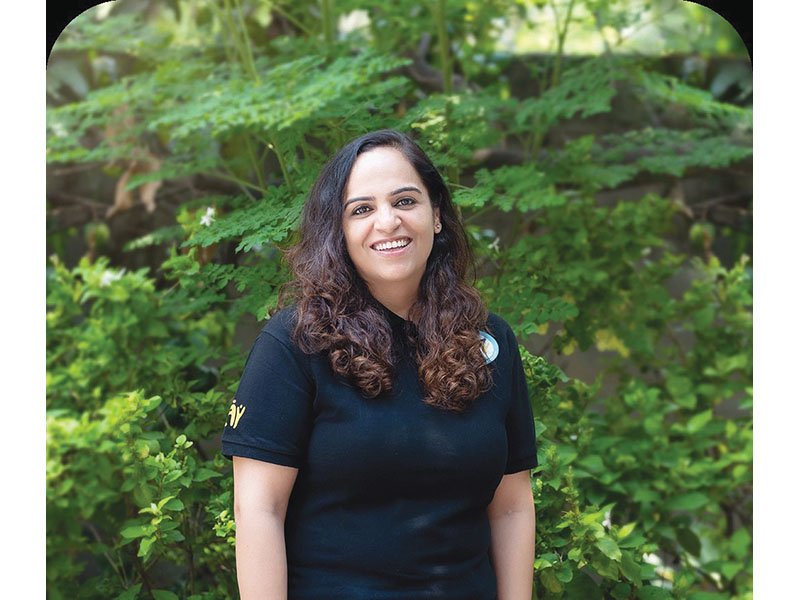
 —(Arshleen Kaur Kalra is the Bengaluru-based Head of Academics, KLAY Preschools and Daycare)
The first six years are a period of profound development. Studies conducted at Harvard University reveal that over 90 percent of brain development in children happens before age five
Everyone remembers those first days in preschool — the tiny backpack, the anxious smile, the courageous wave at the gate, and occasionally, tears. For many parents, it’s an emotional milestone — the beginning of the process of letting go, even if only for a few hours. That inevitable process requires preparation, not just for infants but for parents also.
Selecting the appropriate preschool. Before preparing a child for preschool, it’s important to first take a step back and consider which preschool to choose. Remember a preschool is an extension of the child’s home. Its values, culture, and teaching philosophy should align with what the child experiences at home. When the equation between home and school is aligned, it helps her to feel secure and supported.
While searching for the right preschool for your child, you may be tempted to select the largest or most popular option in your neighbourhood. However, alignment matters more. Ask yourself: does the school’s culture of care, support, and learning reflect the values you want your child to grow up with? Is the environment warm, safe, and age-appropriate? How do the teachers interact with children?
Proximity is equally important. Long commutes are best avoided. Youngest children need time to play, eat, and rest comfortably. Choose a preschool that’s nearby so you can make your daily routine less overwhelming.
Early Years: A foundation for life. The first six years are a period of profound development for children. Studies conducted by the Center on the Developing Child at Harvard University (2016) reveal that over 90 percent of brain development in children happens before age five. Every experience, every interaction, and every relationship during these years shapes the growing child’s psyche forever.
Making the unfamiliar familiar. To an infant, a new environment can be overwhelming. The solution is to help your child acclimatise slowly to new experiences that will follow. Take her to the school, classroom, and the play area before first day. Talk about school in positive terms — “you’ll have fun painting and playing with your new friends.” This type of exposure helps children associate school with excitement rather than fear.
Comfort of routine. Children do well when they know what to expect. Consistency in waking up, eating, and sleeping at about the same times every day provides predictable rhythm that offers comfort and stability. Before school starts, begin establishing a routine similar to the school’s schedule, so that by the time they start attending class, it feels natural. Maintain this consistency on weekends too — even after admission. Excessive variation in sleep and meal times can disrupt their biological rhythm and make Mondays difficult.
Parents also need preparation. Though much of the focus should be on preparing youngest children for preschool, parents also need to prepare themselves emotionally. It’s perfectly normal to experience anxiety while stepping through school gates with your little one for the first time. But remember, children quickly absorb the emotions around them. When you display calm and confidence, your child senses that school is a safe place.
Early years educators are trained to handle these first days of separation with tenderness. They understand that every child adjusts differently and know how to build trust through warmth and play. Allow them to take the lead.
Home-school partnership. Successful transitions happen when parents and teachers work together as a team. Take time to share small but crucial details about your child — what they like, what worries them, their eating and napping schedules. These insights enable teachers to respond sensitively and ensure continuity between home and school.
Confidence before curriculum. All parents hope their child will enjoy school. And though early literacy and numeracy are important milestones, meaningful learning begins when children are emotionally ready. A child who feels safe and happy in her environment will naturally begin to explore and learn freely. Confidence must come before learning. Indeed it fuels learning. A happy child is a curious child, and curiosity is the soil from which all learning grows.
Encouraging connections beyond classrooms. Allow space for sharing when your child comes home. Ask gentle, open-ended questions such as, “What brought a smile to your face today?” or “Who did you sit next to?” This type of casual conversation helps children process their experiences and strengthens communication.
Spend time engaging in imaginative play or bonding activities during the weekends — painting together, building with blocks, going for a walk. Quality time together reassures your child that while school is important, home remains her safe and loving anchor.
Ready for school, ready for life. Learning starts with choosing the right school, continues with establishing familiar routines, and grows through daily reassurance and connection. When children feel loved, safe, and understood, they go to school ready not just for academics but for life — curious, resilient, and ready to learn,









Add comment