
No products in the cart.





Rethinking Global Readiness: A New Design Framework for Parents
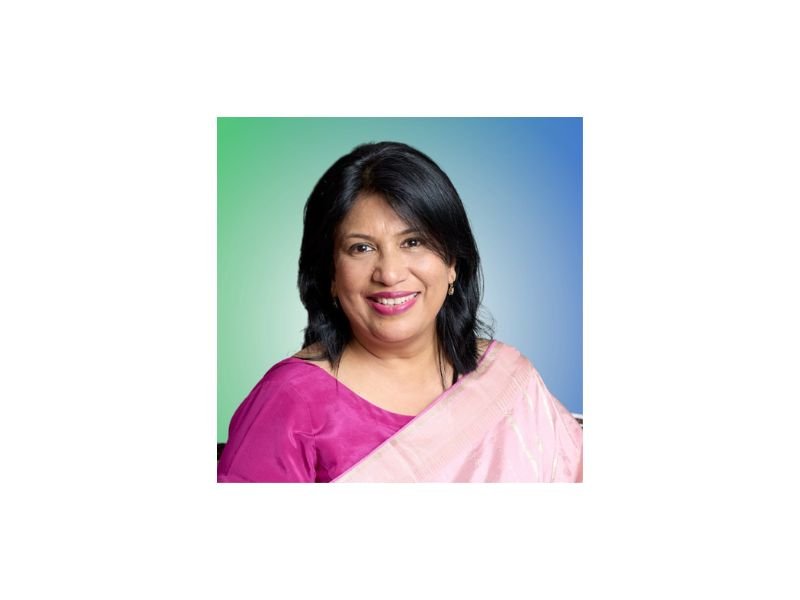
– Dr Anubha Singh, Deputy Vice Chancellor, Sai University
As global higher education becomes increasingly interconnected, preparing children for international study is no longer a narrow exercise in grades, test scores, or application deadlines. It is a far more intricate design challenge—one that requires parents to understand not only their child but also the wider ecosystem shaping their learning.
A useful starting point is recognising that not all children approach learning in the same way. Three broad learner personas often emerge.
The Explorer thrives on curiosity and interdisciplinary discovery, hallmarks of a liberal education. Explorers flourish when exposed to diverse perspectives, strong reading cultures, debate, and opportunities to experiment. However, they can also feel overwhelmed by too many choices or a lack of structure.
The Specialist is deeply focused on a particular field and benefits from structured learning, mentorship, and research opportunities. Specialists gain depth and clarity of purpose, but they may sometimes develop narrow worldviews if not encouraged to look beyond their domain.
The Builder is practical, entrepreneurial, and impact-oriented. Builders prefer making, solving, and applying ideas. They thrive with internships, prototyping opportunities, collaborations, and problem-solving environments. Yet they may undervalue theory or grow impatient with slower academic systems.
Understanding a child’s persona helps parents align educational choices with identity rather than default aspirations. But readiness is not created overnight. Every globally bound student moves through a multi-phase developmental journey, and the success of each stage depends on a blend of cognitive, emotional, and systemic inputs.
The early years (ages 8–13) are marked by curiosity sparks—reading, conversations, hobbies, and exposure to the wider world. At this stage, parents play a critical role in building the “mental pantry” from which a child’s curiosity will draw for life. By adolescence (ages 14–16), identity formation takes shape. This is the phase for experimentation without excessive pressure, long-term commitments, and learning through failure, where depth matters more than polish.
As students enter their higher secondary years, they begin crafting an academic narrative through subject choices, projects, and self-reflection. Transition readiness then becomes crucial: emotional self-regulation, cultural fluency, budgeting, time management, routines, and conflict resolution. A clear journey map helps families recognise that global readiness is developmental, not transactional.
A student’s preparation is also shaped by a wide learning ecosystem. Primary stakeholders include parents, teachers, and counsellors. Secondary players—coaches, tutors, clubs, online learning communities, and admissions officers—add further layers of influence. Invisible stakeholders, such as algorithms, cultural norms, and financial systems, quietly shape aspirations and access. Global learners do not emerge from a single system but from the intersections of many.
Ultimately, success abroad depends on four interconnected systems:
cognitive capability (critical thinking, writing, and interdisciplinary understanding),
emotional maturity (resilience, independence, adaptability),
social and cultural competence (language, collaboration, cultural intelligence), and
practical and financial literacy (budgeting, visas, and daily living skills).
Families often over-invest in cognitive skills and under-invest in the others, even though emotional, social, and practical competencies often determine whether a student truly thrives once abroad.
In an age of borderless education, global readiness is not built through a perfect CV but through a thoughtfully designed ecosystem. Parents who adopt a design-thinking approach—grounded in persona awareness, journey mapping, stakeholder understanding, and systems thinking—raise children who are not just university-ready, but world-ready.
Also Read: EdTech as India’s pathway to equitable, high-quality education for all






One comment
Subhrajit Sharma
Well written!
Some keywords like learning through failure is something which is so important for the parents to understand. Many parents, if not the most, want their children to write success stories in everything they do. This is their default aspiration but life does not work that way. Everything that comes our way in life comes to make us grow or to teach us a way (experience) to grow.