
No products in the cart.






Skill-Integrated Education is Redefining Employability in India
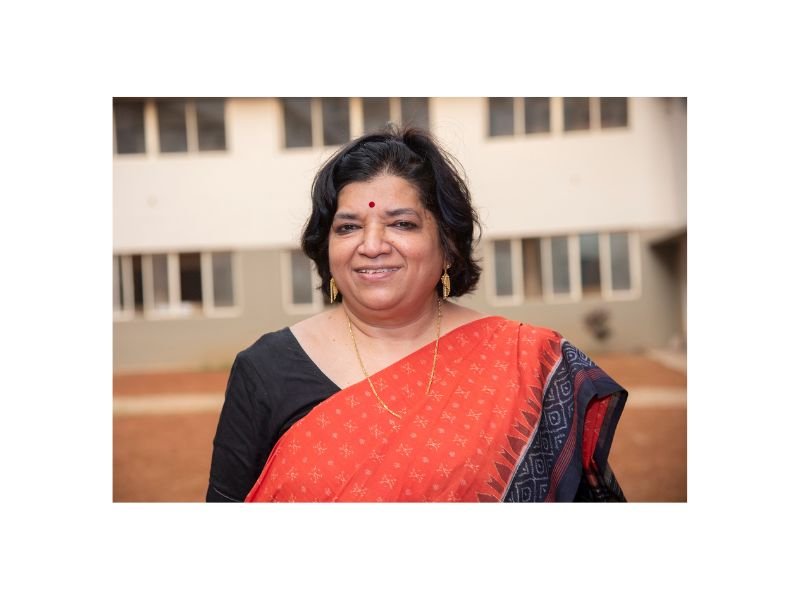
– Prof. Supriya Pattanayak, Vice Chancellor, Centurion University of Technology and Management, Odisha
India is experiencing a defining moment in the development of its educational system. The old classroom model, characterized by rote learning and standardized curricula, is being replaced by an educational that places skills on par with academic knowledge. This transformation reflects new demands in the global economy that are redefining the meaning of employability.
For decades, the Indian education system has primarily measured success through academic achievement. Today, however, employers increasingly seek individuals who can solve complex problems, harness technology effectively, and work collaboratively in diverse teams. As industries evolve at an unprecedented pace, the gap between education and employability has widened significantly.
A 2023 World Economic Forum report highlighted that by 2025, nearly half of all employees will need to update their skills due to rapid technological advancements. In India, where more than 600 million young people live, this challenge is particularly urgent. The education system must prepare learners not just for existing jobs, but also for emerging opportunities shaped by technology and innovation.
Skill-integrated education emphasizes competencies such as critical thinking, digital literacy, and interpersonal skills. Unlike traditional models that separate academic learning from practical application, this approach embeds skills directly into the curriculum. Engineering students may work on sustainable energy projects, while management students may design business strategies for local enterprises. Experiential learning nurtures an entrepreneurial mindset and strengthens students’ ability to apply concepts in real-world contexts.
This shift aligns closely with India’s National Education Policy (NEP) 2020, which promotes interdisciplinary learning and vocational exposure. The NEP envisions an education ecosystem that combines theoretical grounding with industry-relevant skills. As a result, new programs integrating fields such as data analytics with business, or agricultural technology with environmental science, are gaining momentum across institutions. These curriculum innovations ensure that graduates are equipped to meet the needs of contemporary industries.
Technology is a major driving force behind this transformation. Digital tools, including virtual laboratories and AI-powered learning platforms, allow students to engage in immersive, hands-on experiences. Healthcare learners, for example, can practice diagnosing patients in virtual environments before entering clinical settings. Online certifications in areas like cybersecurity and cloud computing further enhance employability by offering globally recognized credentials. Such advancements democratize access to emerging skill sets, especially for students in tier-2 and tier-3 cities where conventional support systems may be limited.
Nevertheless, integrating skills into education is challenging. Faculty members must be trained to deliver hybrid curricula that balance conceptual knowledge with practical experience. Institutions also need strong partnerships with industry to ensure their programs remain aligned with market demands. Collaborations between universities and technology companies to offer courses in artificial intelligence and machine learning exemplify this approach. These initiatives expose students to current industry practices and facilitate valuable connections with experienced professionals, making the transition from classroom to workplace smoother.
Equally important is the development of soft skills. Communication, teamwork, and adaptability are now regarded as essential attributes by employers across sectors. In response, many institutions are embedding group projects, internships, and leadership activities into their programs. These experiences help students build emotional intelligence, resilience, and the ability to thrive in dynamic work environments.
Skill-integrated education also supports India’s broader economic ambitions, including the vision of becoming a $5 trillion economy. A skilled workforce fuels innovation and attracts foreign investment in sectors such as manufacturing, technology, and renewable energy. Training students in advanced manufacturing processes—including robotics and 3D printing—strengthens India’s capacity for self-reliance in strategic industries. Similarly, skill development in sustainable agriculture empowers rural youth to adopt modern techniques, improve productivity, and build secure livelihoods.
Ensuring equitable access remains essential. Skills-focused learning must reach marginalized communities, including women and rural populations. Mobile learning units, community-based training programs, and flexible delivery models can bridge these gaps and ensure that opportunities extend beyond urban centers.
Ultimately, the classroom of the future is defined not by its physical structure, but by a mindset that embraces lifelong learning. When students understand learning as a continuous process, they are better prepared for careers that demand constant adaptation. With curiosity and agility at its core, skill-integrated education equips learners to view change as an opportunity rather than an obstacle.
As India navigates its demographic dividend, the stakes are high. The education system must produce graduates who are not only employable but also capable of driving innovation, entrepreneurship, and long-term economic growth.
Also Read: Skill-Integrated Education: Shaping India’s Future Workforce







Add comment