






Nikhil Shetty: Championing Foundational Literacy, Language, and Social Mobility in Sonbhadra, Uttar Pradesh
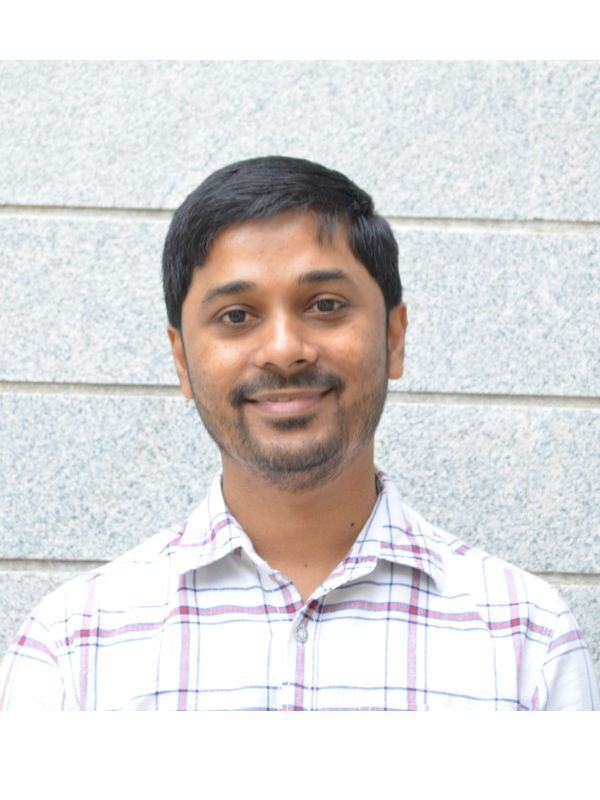
– Sandeep Sen
Nikhil Shetty is the Co-founder and Director of Upkram Educational Foundation, a transformative non-profit organization dedicated to improving foundational language and literacy education for children from historically marginalized communities—Dalit, Bahujan, and Adivasi—in Sonbhadra, Uttar Pradesh.
Before fully committing to education leadership, Nikhil earned his B.E. in Information Science and worked as a software engineer. His volunteering experience during college with an education NGO under the The Times of India’s Teach India initiative catalyzed his passion for social impact through education. In 2015, he left the IT sector to join the Azim Premji Foundation Fellowship, immersing himself in grassroots education in Uttarakhand, which deepened his understanding of child development and systemic inequities.
At Upkram, Nikhil leads strategy, partnerships, and compliance while mentoring youth committed to social change. His decade-long journey reflects a unique blend of technology, theatre, and educational philosophy aimed at alleviating intergenerational poverty through quality and contextual learning.
Newspeg
Since Upkram’s inception in 2018, the foundation has established itself as a catalyst for educational equity in one of India’s most educationally challenged districts. Working in collaboration with local government bodies, Upkram has impacted over 20,000 children, partnering with 22 government schools and investing more than 100 hours monthly in direct classroom engagement.
The foundation’s ground-breaking programs include “Abhivyakti,” which fosters conducive learning and discourse spaces; “Padhne Ki Ghanti” school libraries that cultivate reading cultures; and “Tarunya,” a youth leadership program focused on self-growth, critical thinking, and community advocacy. Attendance rates have steadily increased from 55% to 76%, and student reading and writing skills have improved by 30% year on year.
Nikhil’s team also addresses social issues such as gender and caste discrimination by empowering children’s voices to challenge injustices in their communities. Institutional support is strong, highlighted by support from MP Hardeep Singh Puri, who has adopted Sonbhadra district and enabled the construction of model school libraries. Upkram’s work exemplifies a contextual, dignity-centered approach that rejects deficit models and champions holistic child development.
Direct Talk
“Our work goes beyond teaching children to read and write. We nurture creativity, confidence, curiosity, collaboration, and compassion—skills essential for life. We envision schools as vibrant discourse hubs where children from neglected communities not only learn but find their voice and agency. We honor each child’s home language and cultural identity. This approach dismantles systemic barriers and lays a foundation for genuine social mobility. Ultimately, education is a vehicle for hope, dignity, and agency, and our mission is to build communities where children can thrive with purpose and pride,” Nikhil Shetty shares passionately.
Future Plans
Looking ahead, Upkram aspires to scale its impact across Purvanchal, including districts such as Varanasi, Mirzapur, Chandauli, Ghazipur, Azamgarh, and Sonbhadra, targeting universal foundational literacy and life skill empowerment for every primary school child by 2031.
The strategy focuses on strengthening government collaboration, increasing CSR partnership engagement, and building a robust network of local youth changemakers who will catalyze socio-economic transformation in their villages. Upkram aims to sustain momentum by expanding its thematic storytelling pedagogy and vibrant libraries as discourse centres, incorporating culturally relevant children’s literature.
Alongside improving education quality, the organization is committed to embedding social-emotional wellbeing, equity, and social inclusion into all programs. Nikhil foresees Upkram’s model serving as an advocacy blueprint for rural education reform, pushing India closer to its vision of inclusive and equitable education for all by its 2047 developmental goals.
Also Read: Steve Hardgrave: Financing India’s Low-Cost Schools for High-Impact Education









Add comment