






Why Tier-2 and Tier-3 India will shape the next decade of educational growth and innovation
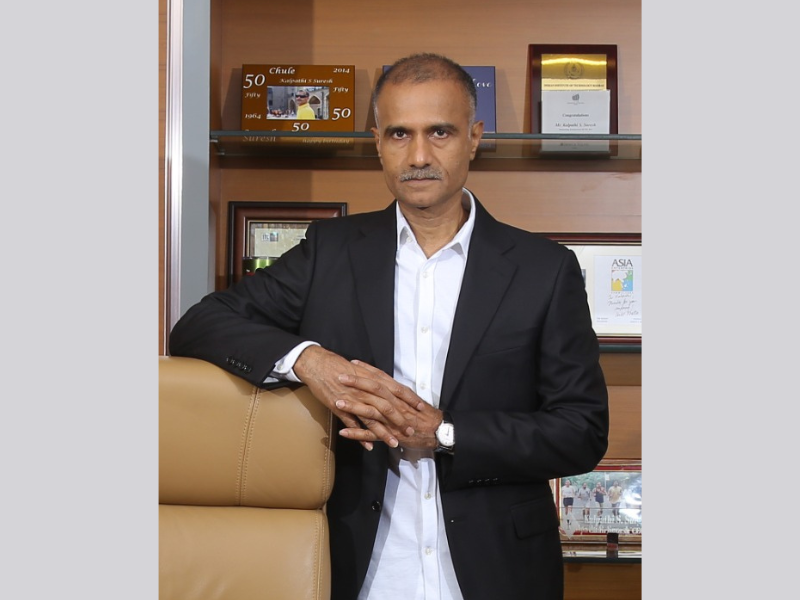
– Suresh Kalpathi, Executive Director and Chairman of Veranda Learning Solutions
For years, India’s education story has centred primarily around the metros. Major cities such as Delhi, Mumbai, Bengaluru and Chennai have been at the forefront of the country’s higher education, coaching and skill development sectors. Now, things are changing rapidly.
Over the next decade, India’s education system will witness growth and innovation originating not from its metropolises but from tier-2 and tier-3 cities, driven by their aspirations and potential.
This transformation goes beyond geography. It is being driven by increased accessibility, affordability, digital literacy and a desire for a better future. Students in tier-2 and tier-3 cities are no longer compelled to relocate to metropolitan centres in search of better opportunities. Instead, they aspire to access globally benchmarked learning experiences locally, delivered through technology-driven platforms and neighbourhood learning centres. Clearly, technology has broken down geographical barriers.
The country’s vast youth population, concentrated outside metropolitan areas, is a significant demographic factor behind this shift. The ambition of these young learners to secure government jobs, excel in competitive examinations, build careers in technology, finance, medicine and management, and contribute meaningfully to nation-building is as strong as that of their urban counterparts. What previously differentiated them was access to quality education.
Technology has democratised this space. The widespread availability of smartphones, faster internet connectivity and digital payment solutions has enabled students in even the most remote locations to access online resources, live classes and mock tests.
Although the pandemic accelerated the adoption of digital learning in 2020, demand for hybrid education has continued well beyond that period. However, digital systems alone are not sufficient. Personalised teaching, peer learning and physical learning centres remain important, giving rise to hybrid learning models that combine online and offline instruction. These models have gained particular popularity in tier-2 and tier-3 regions because they offer affordability by eliminating relocation expenses while still providing structure, guidance and support.
The high cost of education in metropolitan cities—including tuition fees, accommodation, living and commuting expenses—has made this an attractive alternative for students and parents alike. Accessing quality education within one’s own city is significantly more affordable than relocating to a larger city, while allowing students to remain close to their family support systems.
Government initiatives, including investments in digital infrastructure and broadband connectivity, the reforms introduced under the National Education Policy (NEP) 2020, a stronger emphasis on skill development, and increased collaboration between higher education institutions and industry, have created a favourable environment for educational growth beyond the metros.
These initiatives have enabled the development of innovative and scalable educational solutions for learners across the country. At the same time, changes in the job market have reinforced this transition. Employers are increasingly prioritising practical skills and competencies over geographical location, making residents of tier-2 and tier-3 cities more competitive in an era of remote work and digitally enabled workplaces.
Educational institutions are also adapting their strategies to meet the specific needs of these regions. They are tailoring programmes to local career aspirations, offering coaching for government and banking examinations, and expanding professional courses in finance, commerce, information technology and healthcare. In addition, they are providing career counselling, placement assistance and greater industry exposure.
Innovation itself is becoming decentralised. Tier-2 and tier-3 cities, with their growing demand and lower operating costs, provide fertile ground for experimenting with blended learning models, AI-powered personalised tutoring and multilingual educational content.
These innovations are generally more inclusive and scalable. More importantly, students from smaller towns are ambitious, resilient and eager to learn. Their determination to improve their quality of life, achieve upward social mobility and attain financial independence makes them highly motivated learners.
As India advances towards becoming a global knowledge economy, educational innovation must embrace the aspirations and potential of learners beyond the major cities. Only then can the country ensure broad-based, inclusive growth and unlock the potential of future generations while accelerating national progress.
Also Read: The Pathways deal isn’t really about schools. It’s about structure











Add comment