






Rethinking how we support students experiencing exam pressure
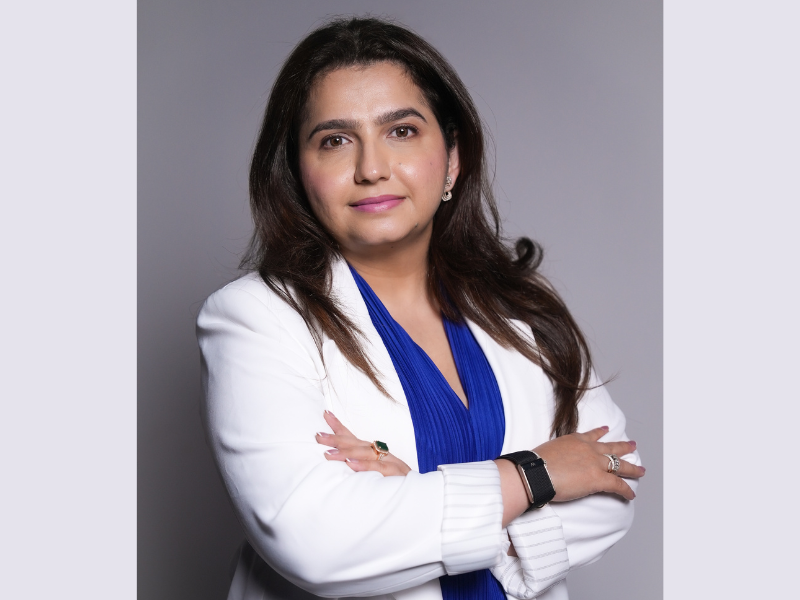
– Nupoor Mohan, Founder and CEO of The Full Circle
Exam season often follows a familiar rhythm: anxious mornings, students gathering after school, late-night study sessions and parents constantly supporting them along the way. This year, however, that rhythm was disrupted by question paper leaks across the country. While students had prepared thoroughly, they found themselves navigating a system that could not guarantee fairness or adequately address the impact of these incidents.
Many students felt that their hard work had been undermined, leaving them angry, demotivated and, to some extent, helpless in the face of a system they had trusted to help them build the lives they aspired to.
Conversations about exam pressure and student mental health in India often surface only when a student’s story makes headlines. However, these conversations should take place every day so that struggles and concerns can be identified early and addressed before it is too late.
The scale of this everyday, unremarkable strain is easy to underestimate. The IC3 Institute’s Student Well-being Pulse Report 2026, released this month and based on responses from 8,515 students across India, found that overall well-being declines steadily through senior school, from 62 per cent in Grade 8 to 43 per cent by Grade 12. In other words, the closer students get to the examinations that are expected to determine their futures, the worse they feel.
A school-based study of adolescents in Belagavi, Karnataka, using a standardised academic stress scale found that nearly three-quarters of the students surveyed reported high levels of academic stress. This is not an unusual year. It is the ordinary reality of Indian schooling, and a disruption such as a question paper leak adds to the pressure rather than creating it.
The IC3 report contains another finding that should give us pause. Sixty-four per cent of students said they preferred to handle stress on their own, while only 6 per cent turned to a school counsellor. That gap is the real problem. It is not that support does not exist, but that students are not seeking it. This may be because they do not trust the support system, are unaware that it exists or fear that admitting they are struggling will be held against them.
Students’ mental health is best supported when concern is demonstrated every day, their thoughts are not disregarded and they feel seen. This means checking in with them about more than their academic performance, noticing changes in their appetite and mood, and understanding how they spend their time online—not to intrude, but to engage with them in ways they prefer. When students know that someone is reaching out with curiosity rather than judgement, they are more likely to open up before becoming overwhelmed.
In practice, this is less complicated than it sounds. It means asking questions that are not about marks. It means noticing when a child withdraws from activities they previously enjoyed and treating that change as information rather than attitude. It also means resisting the instinct to offer immediate reassurance or solutions. A student who is given a solution before finishing their account of the problem may quickly learn not to describe it at all. Most young people do not initially want advice; they want to be heard and believed.
Following incidents involving question paper leaks, teachers can be trained to recognise behavioural changes and signs of distress before they escalate. Sharing empathetic messages and acknowledging students’ stress rather than dismissing it can help them feel seen and supported during periods of uncertainty.
There is institutional progress worth acknowledging. The Central Board of Secondary Education has made it mandatory for affiliated schools to appoint dedicated mental health and career counsellors. It has also provided free psychosocial counselling support for board examination candidates, staffed by trained professionals and accessible by telephone.
These are meaningful steps, but an appointment on paper is not the same as a presence that students trust. A counsellor whom students encounter only after something has gone wrong will inevitably be associated with crises. Schools that address this effectively will be those in which the counsellor is a familiar and ordinary part of the school week, and seeking support carries no stigma or judgement.
That is the shift worth working towards—not merely a better response to the next crisis, but school and home environments in which distress is noticed early, discussed openly and met with steadiness rather than alarm. Students do not need adults to remove every pressure they face. They need to know that when the pressure becomes overwhelming, speaking about it will be met with support rather than disappointment.
Sources referenced
- IC3 Institute, Student Well-being Pulse Report 2026, based on responses from 8,515 students across India and released at the 10th Annual IC3 Conference and Expo in Mumbai in August 2026. The report found that well-being declined from 62 per cent in Grade 8 to 43 per cent in Grade 12; 64 per cent of students preferred to handle stress independently; and 6 per cent turned to a school well-being counsellor.
- A school-based study involving 1,426 adolescents aged 13–15 across CBSE schools in Karnataka’s Belagavi district, using the Educational Stress Scale for Adolescents. It found that 74 per cent of respondents experienced high levels of academic stress.
- Central Board of Secondary Education’s 2026 notification mandating the appointment of dedicated mental health and career counsellors in affiliated schools, and its psychosocial counselling service for Class 10 and 12 examination candidates, launched in January 2026.
Also Read: Beyond paper: How digital evaluation is redefining university examinations











Add comment