






Things to Keep in Mind While Choosing an International School
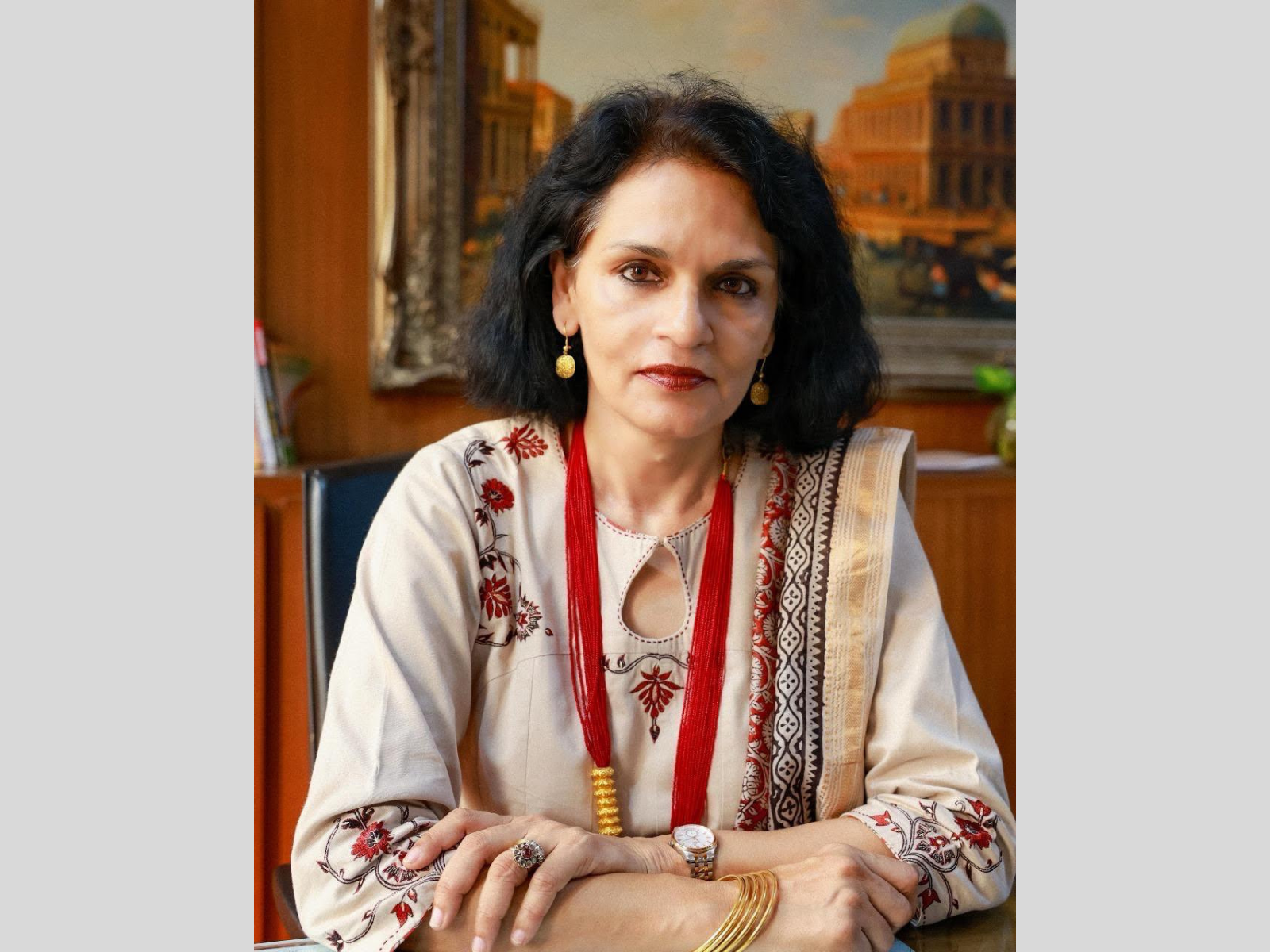
– Rima Singh, Head of School, DPS International
Every parent seeks an education that equips their child to navigate a complex, interconnected world with confidence, intellectual curiosity and self-assurance.
This degree of global readiness is intentionally built into international education and reflected in every aspect of the learning journey. From progressive academic frameworks and inquiry-driven faculty to purpose-built spaces and recognised credentials, every element works together to shape how a child learns, grows and understands the world.
Choosing the right school means recognising this alignment and ensuring that a child’s daily experience provides a strong foundation for university, career and lifelong leadership.
A Curriculum That Speaks a Global Language
An internationally benchmarked curriculum provides students with a consistent set of core skills and concepts across every country in which it is offered, ensuring that they receive a high-quality education aligned with global standards.
An International Baccalaureate (IB) student’s academic record carries the same weight and meaning wherever they choose to study next because of this shared foundation. Consider the IB framework, for example. A concept such as cause and effect is not taught once and left behind; it is revisited in primary, middle and senior school, with increasing depth at every stage. This is why the framework is often described as spiralling rather than linear.
The aim is to develop students who can reason through problems from first principles across subjects. Consequently, a student moving from a classroom in Singapore to one in London encounters the same underlying approach to learning, making the transition more seamless.
The Educators Who Shape the Experience
The strength of a curriculum is reflected in how teachers deliver it. Faculty members at international schools are typically trained in inquiry-based questioning, concept-based planning and continuous assessment through portfolios and student conferences.
This shifts their role from that of an instructor to a facilitator who can pose a question effectively and give students the time and space to solve the problem independently. Progress is assessed through several lenses, including written reflections, ongoing project work and regular conversations with students, alongside conventional examinations.
For instance, a teacher who is willing to set aside a planned lesson to explore a question raised the previous day illustrates this approach well. Such responsiveness, more than any credential on paper, distinguishes a genuine guide to learning.
Spaces Designed for How Children Actually Learn
A modern classroom goes well beyond a projector or an interactive board, as the goal has shifted from simply displaying information to enabling students to test their ideas.
Learning infrastructure takes this into account from the outset. Acoustics, flexible furniture and digital tools are planned together so that a space can shift easily between group discussions and quiet, focused work. This thinking extends beyond the classroom: shared spaces bring different year groups together, while outdoor areas allow subjects such as environmental science to be studied through hands-on experiences.
A science laboratory equipped with sensors that capture results instantly, or a design room with basic 3D-printing facilities, can enable a student’s idea to progress from a question to a working model within a single class.
Accreditation as a Quiet Marker of Consistency
Earning international accreditation requires a deliberate, long-term commitment. The process usually extends over several years and begins with a detailed internal review covering governance, teaching quality, student wellbeing and safeguarding.
Only after this stage does an external panel of educators visit the school to verify the findings. The review is repeated at fixed intervals, often every five to seven years. This is important because it helps schools maintain consistently high standards long after accreditation has been granted.
For families relocating across countries, accreditation can therefore serve as a dependable indicator of quality. A diploma earned under such a system is one that university admissions teams worldwide are likely to recognise and trust.
Looking Ahead to University and Beyond
Admissions teams assessing applications from students who have followed an international curriculum look beyond final grades. Understanding what they evaluate helps explain why. An extended essay demonstrates a student’s ability to conduct sustained, independent research over several months. A documented record of creative or community-based work shows whether the student’s engagement with the world extends beyond the classroom. References describing how a student engages with ideas add a dimension that a transcript alone cannot fully capture.
Schools that incorporate dedicated university counselling into the senior years are often better equipped to help students present a comprehensive picture of their strengths. Counsellors can guide them through subject selection, application strategies and interview preparation well before the application process begins.
A final-year student receiving an offer from an overseas university represents the visible outcome of this groundwork. Placement records that include Ivy League universities and other leading institutions worldwide often reflect a curriculum designed with such outcomes in mind.
Ultimately, selecting an international school requires careful attention to these structural elements. Curriculum, teachers, learning environment, accreditation and outcomes work together, with each shaping and strengthening the others. Collectively, they build the foundation of a child’s education long before university enters the conversation.
Also Read: Is returning to India after studying abroad becoming a strategic career choice?










Add comment