






Australia: Populist parties target foreign students
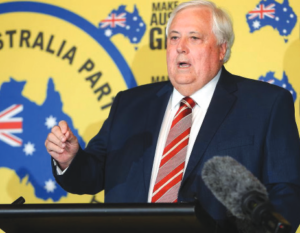
UAP’s Palmer: numbers limit vow
Populist Australian political parties have vowed to tighten the rules around international education, in a bid to break universities’ “addiction” to “easy money” from overseas students.
One Nation — a political party — says foreign students should be banned from obtaining bridging visas or appealing unfavourable visa decisions if they abandon their courses prematurely. Meanwhile, the United Australia Party (UAP) has vowed to limit international student numbers to 50,000 a year — down from over 600,000 now — as part of an education policy that would also review mandatory vaccination policies and ban gender and race quotas in student admissions.
“Universities have prostituted themselves by filling higher education with foreign students, at the expense of Australian students,” says UAP’s chairman, Clive Palmer. “Consequently, we have a shortage of skilled professionals.”
One Nation leader Pauline Hanson, who earned top billing as preferred prime minister in a June 14 opinion poll, says universities must be “forced to prioritise education for Australians” and “broken of their addiction to foreign students. Many of these people are occupying homes and accessing services that should be for Australians first.”
Hanson blames fake students for driving temporary visa holder numbers to record levels. Foreigners with “no intention to study and every intention of abusing the system” quickly drop out of their courses and obtained bridging visas — which typically gave them around 200 days’ leeway to work and “access housing and services” — while applying to study at “bogus schools or courses”.
Citing figures from a recent Menzies Research Centre report, Hanson says the number of people applying for student visas from bridging visas had risen from 13,000 to 107,000 within three years. Those denied bridging visas simply appeal, typically buying themselves 15 months’ grace, while some apply for asylum “despite having no grounds. If that’s knocked back, they just appeal it again so they can spend more time making money in Australia”.
Australian authorities acknowledge these sorts of issues and have taken steps to address common scams. The government requires foreigners on temporary graduate visas to leave the country before applying for fresh student visas. It has shuttered scores of “ghost colleges” and banned agents from receiving commissions for arranging for students to transfer between institutions within Australia.
Regulators are enforcing a rule banning overseas students from switching institutions during the first six months of their studies. And an amendment this year, aimed at speeding up appeals, allows the Administration Review Tribunal (ART) to determine student visa matters without holding oral hearings. The effectiveness of these measures, so far, is debatable. Over 52,000 appeals involving student visas were before the ART at the end of April, up from about 38,000 the previous June. A near-record 420,000 bridging visa holders were in the country in April.
One Nation, long a fringe party, is now considered a contender for government after edging out the Labor and Liberal parties in recent opinion polls and notching its first federal House of Representatives seat in a May by-election.
Palmer, a mining magnate, who spent a term in the House of Representatives a decade ago while his then Palmer United Party imploded, vowed to eliminate domestic tuition fees before the 2025 general election. That measure was to be bankrolled by doubling international students’ fees.
(Excerpted and adapted from The Economist and Times Higher Education)







Add comment