






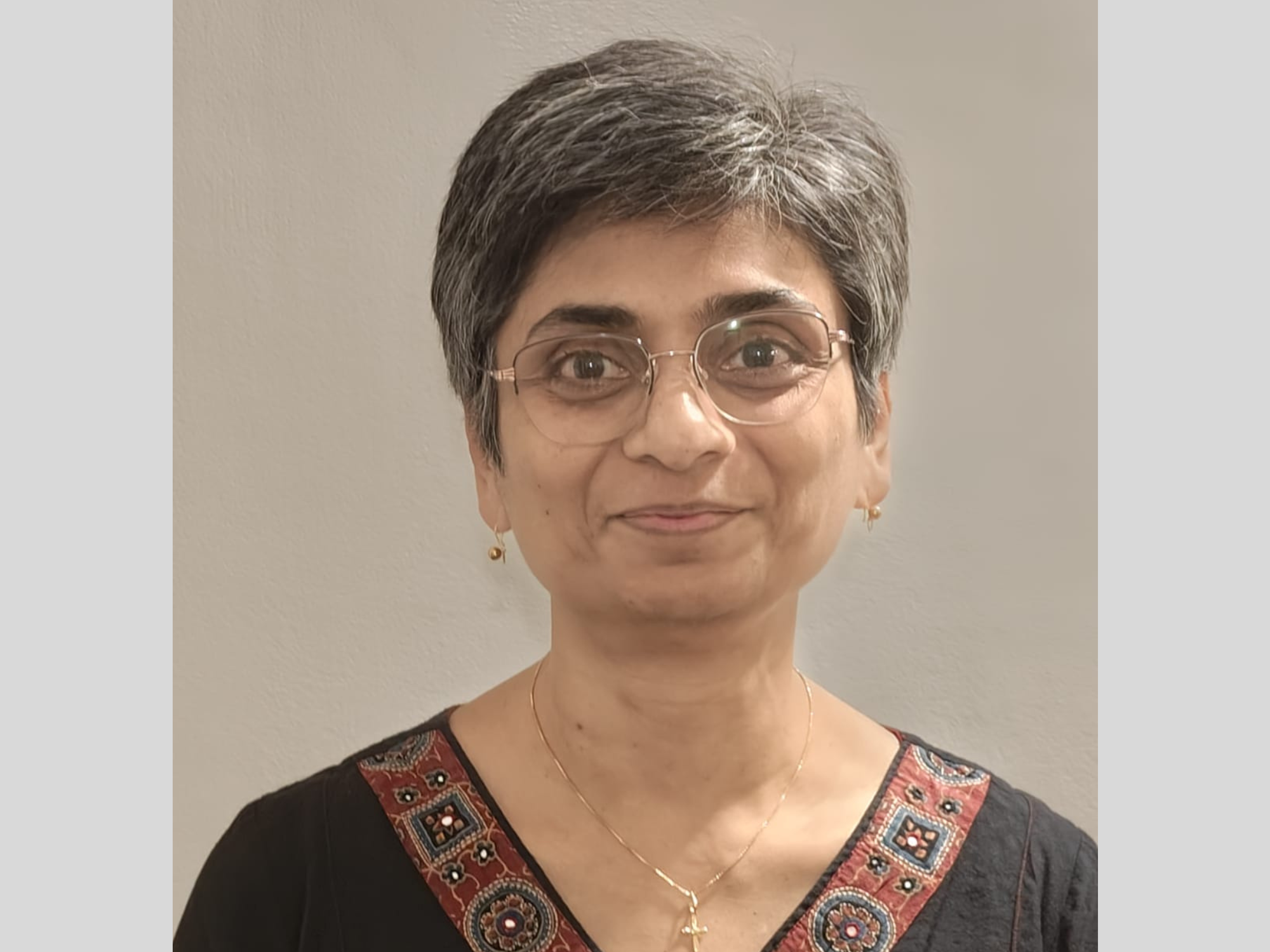
Building the leadership India’s education needs
– Asha Thomas, COO, The Shibulal Family Philanthropic Initiatives (SFPI)
India’s education system has undergone significant transformation through the combined efforts of government, educators, the private sector and philanthropists. Today, it is one of the largest in the world, serving more than 24 crore students across 14.71 lakh schools with the support of around one crore teachers. Government schools remain the backbone of the system, accounting for 69% of schools, educating half of all students and employing 51% of teachers.
The country has made notable progress in expanding access to education. Gross enrolment at the primary level stands at 93%, while primary school dropout rates have fallen to just 1.9%, with similar improvements at the secondary level. Near-universal access, lower dropout rates and stronger policy support have laid a solid foundation. However, learning outcomes continue to vary across states and student groups. As India seeks to realise its demographic dividend, the priority must now shift from ensuring access to delivering quality learning.
India’s median age is just 28.4 years, and its working-age population is expected to peak at 68.9% by 2030. Nearly a quarter of new entrants to the global workforce over the next decade will come from India. This presents a unique opportunity, but only if the education system ensures that every child not only attends school but also acquires meaningful learning.
The next phase of reform must therefore focus on quality and equity. Initiatives such as the National Education Policy 2020, the Foundational Literacy and Numeracy Mission and investments in teacher development have created momentum. To build on this progress, the education system must place greater emphasis on leadership and continuous improvement. This requires two important shifts: strengthening leadership across every level of the system and fostering a culture of learning, reflection and adaptation.
Leadership for Change at Every Level
Large education systems do not improve through policies alone. They improve when people across the system take ownership of change. Research consistently shows that leadership has the second-greatest influence on student learning after classroom teaching.
Leadership is not defined by position or authority. It is the ability to identify challenges, respond to local needs and inspire others to improve learning. In a system as large and diverse as India’s, leadership must be distributed across schools, clusters, districts and communities.
Leadership can be demonstrated by a teacher who redesigns the morning assembly to make learning more engaging, a Block Education Officer who helps schools strengthen their academic practices beyond administrative compliance, or a community member who encourages parents to engage more actively with their children’s education. Each contributes to better learning outcomes by taking ownership of change.
Strengthening this form of leadership—embedded, distributed and rooted in responsibility—will be central to India’s next phase of education reform. Unlocking the potential of leaders already working within the system should become a national priority.
From Programmes to Continuous Progress
Alongside strengthening leadership, India must also move beyond programme-based improvements towards a culture of continuous progress. While programmes can deliver targeted results and initiate change, they are often limited by defined timelines. Lasting transformation comes from embedding continuous improvement into everyday practice.
This means enabling leaders at every level to make small, context-specific improvements, learn from experience and refine their approaches over time. For example, a school leader may introduce activity-based learning, observe its impact in classrooms and adjust teaching methods or learning materials to improve student outcomes. These incremental changes, when sustained, can produce significant long-term gains.
Creating this culture requires more than new initiatives. It demands investment in leadership, practical skills, collaborative relationships and institutional capacity. Equally important is an environment that encourages reflection, learning and adaptation rather than one-time interventions.
Over time, continuous improvement can become a system-wide habit, enabling schools and education leaders to respond effectively to changing needs while steadily improving learning outcomes. The cumulative impact of these small, consistent improvements can drive both the scale and depth of education reform.
As India shifts its focus from expanding access to achieving excellence, leadership must become the catalyst for change, while continuous improvement provides the momentum to sustain it. Together, they can help build an education system that not only reaches every child but also enables every child to learn and thrive.
Also Read: Stop telling youth that degree education no longer matters










Add comment