






Coping with single parenting
A single parent must switch between the roles of caregiver, financial provider, disciplinarian, emotional anchor, and daily problem-solver. From managing workplace responsibilities, household logistics to school meetings and child health issues, it’s a continuous load of overlapping demands
PUNITA MALHOTRA

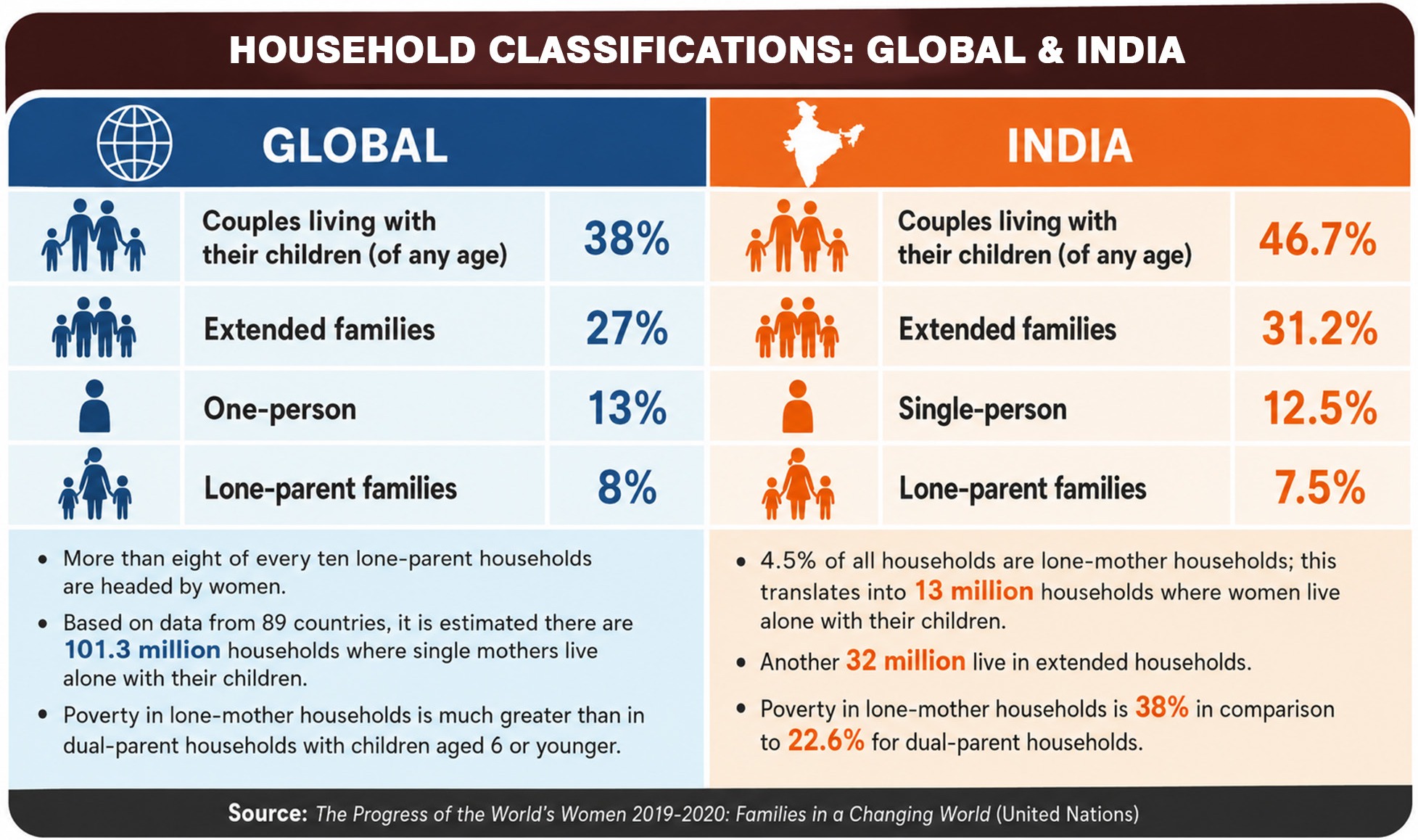
For several millennia, the two-parent household was considered the default family model. Not anymore. In the 21st century, single-parent families are becoming increasingly visible and accepted worldwide, India included. According to a United Nations report titled Progress of the World’s Women 2019-2020: Families in a Changing World, the global share of one-parent households (OPH) is 7.5 percent with “most of these families led by women (84.3 percent)”. In India, the report estimates that 4.5 percent of Indian families (13 million) are single-mother households. A once exceptional phenomenon is increasingly becoming a lived reality, especially in urban and peri-urban India.
Behind these statistics is the reality of single parenting — shouldering every childcare and nurturance responsibility without the everyday partnership that most households experience.
A single parent must switch between the roles of caregiver, financial provider, disciplinarian, emotional anchor, and daily problem-solver. From managing workplace responsibilities, household logistics to school meetings and child health issues, it’s a continuous load of overlapping demands. All this must be balanced while navigating career ambitions, anxieties and setbacks from divorce or loss of a spouse.
In deeply patriarchal countries such as India, single — divorced, widowed, unmarried or single by choice — parents, especially women, are harshly judged and usually stigmatised for personal, marital and parenting choices. Per Progress of the World’s Women 2019-2020, which analyses diverse family structures and their impact on women, ending a marital relationship typically entails emotional distress, social isolation and far more adverse economic consequences for women than for men. “All too often, women lose access to marital assets, resources, and even child custody” and face societal censure if not ostracism, write the authors of the report.
Jaipur-based content creator Tripti Bhasin and mother of a five-year-old daughter, recalls the deep emotional turmoil she experienced following her divorce five years ago. “I was emotionally devastated and believed I was incapable of managing my own life, forget caring for my daughter. But slowly, I pulled myself together and started to focus on my work. This helped me reclaim a sense of identity and purpose. Over time, as I became successful and financially stable, I realised I am more than capable of building a better life for myself and my daughter, Aarshi. Rebuilding myself emotionally and then financially was the first step towards creating a more secure, stable life for my daughter,” says Bhasin.
Bhasin’s experience illustrates an important truth about single parents. Before they can provide stability for their children, they must focus on regaining their own emotional equilibrium. Divorce, bereavement or separation leaves most single mothers grappling with grief, self-doubt, financial anxiety and loss of identity. How successfully they navigate this transition shapes the emotional climate in which children grow.
Decades of research, including findings of the Harvard Centre on the Developing Child, suggests that children’s wellbeing depends far less on whether they live in one-parent or two-parent households than on the quality of caregiving, emotional security and stable, nurturing relationships. What matters most is not the number of parents in the home but whether the child has at least one emotionally available, dependable adult.
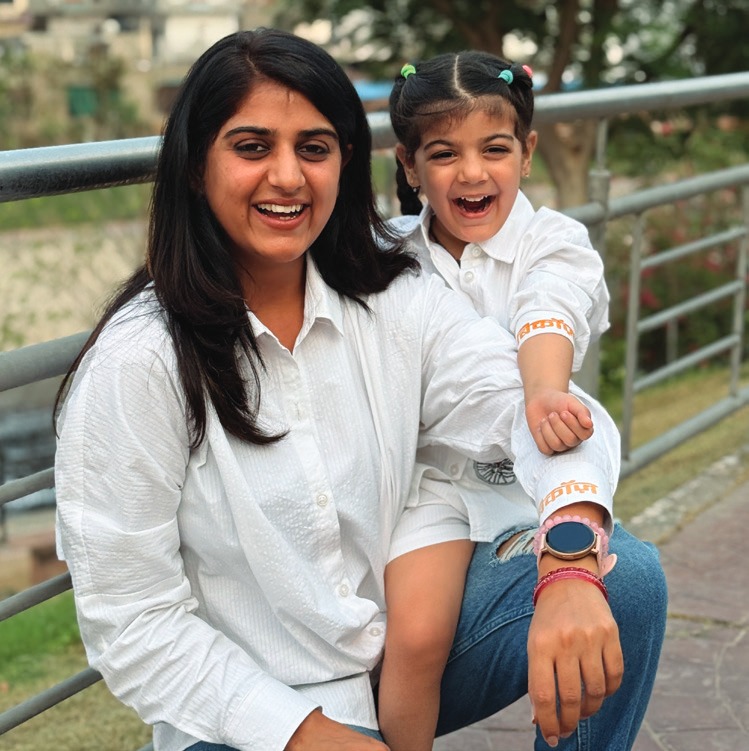
Tripti Bhasin
That is why psychologists are unanimous that the first responsibility of single parents is to heal themselves emotionally before they can support their children. Dr. Shwetambara Sabharwal, a Mumbai-based clinical psychologist and psychotherapist, says divorce and bereavement cause significant emotional scarring that inadvertently shapes parents’ interaction with their children. “A single parent should put on her own seatbelt first and focus on recovering from the emotional trauma of divorce and/or bereavement. It’s critical that single parents promptly address issues of self-doubt, self-criticism, anxiety and guilt because children easily absorb parents’ emotional vulnerabilities. If single parents are unable to quickly resolve these emotions, they should seek the counsel of trusted friends, support groups or therapists. Insufficiently overcome emotional wounds can negatively shape their children’s emotions and behaviour,” advises Dr. Sarbharwal.
After single parents have resolutely regained emotional stability, the next challenge is helping children adjust to the new family structure, changes in routines, relationships and household dynamics. Separation, divorce or the death of a parent often disrupts the familiar rhythms of children’s lives as they struggle to make sense of loss of one parent. However, children rarely articulate these anxieties. Instead, their anxieties manifest through behavioural changes.
“Even youngest children suffer anxiety, although they may not have the words to express their sentiments. Instead, anxiety and distress manifest through behavioural changes such as disrupted sleep, loss of appetite, stomach ailments, social withdrawal and aggression. Change is inherently unsettling because it generates uncertainty and instability. The simplest way to help children navigate this transition is by maintaining predictable daily routines. Consistency creates a sense of safety and reassures children that, despite everything else changing, some routines remain secure,” says Kritika Mattoo, a Delhi-based psychologist and family therapist.

Ketika Kasetwar
Ketika Kasetwar, a Pune-based adolescent health and sexuality counsellor and single mother of a teenage daughter, believes there is no one-size-fits-all strategy to help children navigate the transition to OPHs. “You need to adapt your parenting style according to children’s changing development needs. For youngest children, consistent daily routines are signals of continuity when everything else feels uncertain. Consistent mealtimes, regular sleep and play routines, physical affection, and open communication help them to feel safe and secure. Between the ages of six and ten, children become more aware that their one-parent household is different from others and require reassurance. This is also a good stage to introduce age-appropriate responsibilities, whether it’s returning home from school independently, unlocking the house or managing simple after-school routines. When children are entrusted with responsibility, they rise to the occasion,” advises Kasetwar.
Inevitably, adolescence presents a new challenge for single parents, as teenagers want greater independence. “Adolescence is a time of major physical and emotional change, and for a single parent it can be challenging because there isn’t another parent to share the emotional load. Especially between 16-18 years of age, teens want independence and greater decision-making power. At this stage, single parents need to step back without stepping away. Remain emotionally available, resist the urge to overprotect and over-instruct. In OPHs especially, trust becomes the foundation of the parent-child relationship because it allows children to develop confidence without feeling that they are carrying the emotional burden of the parent,” adds Kasetwar.
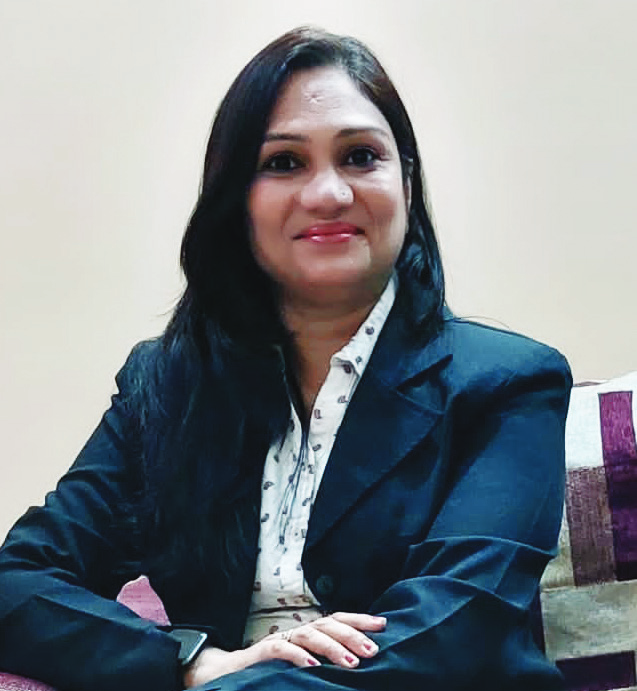
Swati Karwa
While children are remarkably adaptable, psychologists caution against expecting them to adjust too quickly and loading unrealistic expectations on them during the transition to an OPH. Every child processes change differently, and trying to compensate for the absence of one parent by shielding children from all hardships and/or pushing them to excel inadvertently generates new stresses and pressures. Pune-based counselling psychologist and single mother to two children, Swati Karwa says many single parents experience overwhelming urge to prove — to themselves and to society — that their children are well-adjusted. “One of the biggest mistakes single parents make is expecting children to transition to an OPH too quickly. This imposes unrealistic expectations on children who are expected to excel academically, socially and/or in extracurricular activities. The child’s life gradually becomes focused on achievement rather than growing up. Children cannot adjust overnight to major life changes; they need time to grieve, adapt and find their own emotional rhythm. Give them time and emotional space to process change at their own pace,” advises Karwa, adding that when children push against these expectations, parents should not see it as “defiance but respond with empathy”.
 Yet even the most emotionally stable single parents cannot shoulder every responsibility alone. One of the greatest misconceptions about single parenting is that emotional resilience comes from self-sufficiency. Research has consistently shown that OPH children benefit from multiple caring adult relationships, while single parents themselves are less likely to experience burnout when supported by extended family, including grandparents and friends. This support network offers psychological solace. Multiple adult figures widen children’s sense of belonging and ease pressure on the primary caregiver.
Jasleen Kaur, a 38-year-old single mother to five-year-old Arjun and a solutions architect, has consciously built such a support system. “One person cannot fulfil every emotional and social need of a child, no matter how committed she is. Children benefit from interacting with grandparents, relatives, teachers and other trusted adults because each relationship offers something different. I’ve always wanted my son to know that family isn’t just about biology; it’s about people who consistently show up, care for and make children feel secure. His grandfather has become an important male role model in his life. That wider support system has helped both of us. It has given him a stronger sense of belonging and allowed me to become a happier, less overwhelmed parent. Two parents would have been ideal, but I genuinely believe it’s better to have one happy parent than two constantly quarrelling parents,” she says.
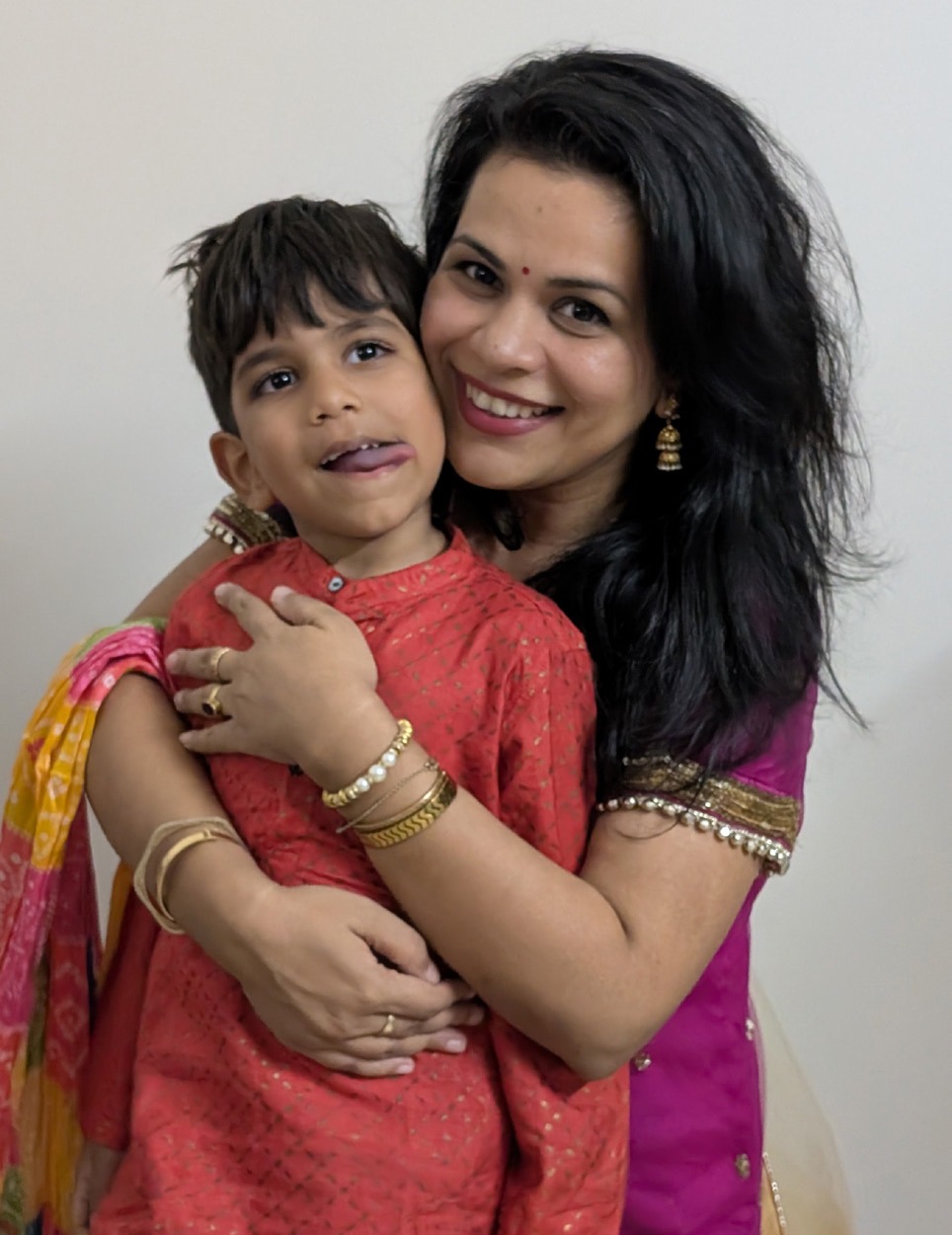
Jasleen Kaur
Although conversations around single parenting often focus on difficulties, psychologists caution against viewing OPHs through a deficit lens. Many children raised by single parents develop remarkable emotional strengths because they learn to adapt from early age. “Children raised in single-parent families are not destined to fare worse than their peers,” says Delhi-based psychologist and family therapist Kritika Mattoo. “When they are raised in a stable, emotionally secure environment, particularly where co-parenting remains respectful or there is a strong support network, children develop emotional resilience and empathy because they have experienced loss early in life. Older children and adolescents frequently channel these experiences into sports, music, art or other creative pursuits, which are healthy coping mechanisms. Experiencing change early on in life enables OPH children to adapt and develop valuable life skills and confidence,” she says.

Kritika Mattoo
With the number of single parent households — the majority of them headed by women — on the rise, the number of OPH children is certain to increase. In The Progress of the World’s Women 2019-2020: Families in a Changing World, the United Nations appeals to governments, women’s rights activists, feminists, companies and education institutions to legislate and implement women-friendly laws and practices. It requests governments worldwide to “ensure high-quality, accessible public services to support families and gender equality; put in place family laws based on diversity, equality and non-discrimination; guarantee women’s access to adequate, independent income; and support families to care by providing, time, money and services.”
Parenting coaches and experts are unanimous that successful single parenting is not about bearing the full load of the missing parent. It is perfectly possible for one parent to nurture emotionally secure and socially confident children. As India experiences a steady rise in one-parent households, the onus is not only on single parents/mothers but also on extended families, schools, communities and policymakers to ensure that they receive full support to enable them to raise happy and confident children.
Single parenting guide
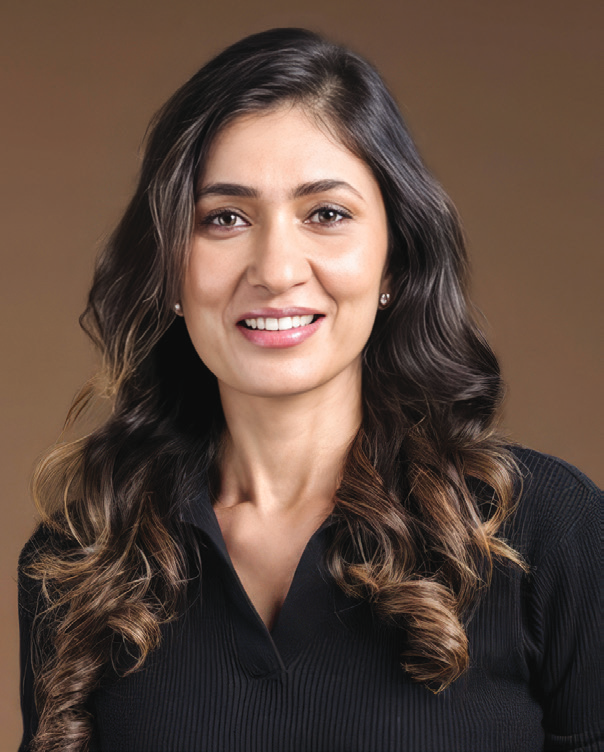
Dr. Shwetambara Sabharwal, a Mumbai-based clinical psychologist and psychotherapist, offers practical advice to help single parents develop emotionally secure and resilient children.
Speak honestly about your marital status. Children are highly sensitive to unwarranted blaming and shaming. When a parent doesn’t speak honestly about the other parent, children can tell. Honest, age-appropriate communication builds trust and helps them make sense of their OPH status.
Remain calm. Tone is very important during stressful times. A calm, even tone helps children feel safe even amid uncertainty.
Use age-appropriate language. Keep explanations simple and suited to your child’s level of understanding to prevent confusion and unnecessary anxiety.
Offer constant reassurance. Remind children regularly that they are loved, supported and not responsible for your history.
Normalise different family structures. Explain that OPHs are not exceptional. This reduces comparison and increases acceptance.
Shield children from adult conflict. Avoid discussing relationship disputes or exposing children to adult disagreements. It preserves their emotional security.
Don’t make children choose sides. Make conscious attempts not to pass on the bitterness you may have towards your spouse or the opposite sex, to children. They need the freedom to love both parents without feeling guilty.
Avoid comparisons. Don’t compare your child with others or measure their progress against unrealistic expectations. Focus on their individual growth.
Let go of perfectionism. You don’t have to be the perfect parent. Being emotionally present matters far more than getting everything right.
Adapt as your child grows. Children’s emotional needs change as they age. Be flexible and adjust your parenting style accordingly.
Teach coping strategies. Encourage children to recognise uncomfortable situations and know when and how to step away and ask for help.
Self-care. Looking after your own emotional wellbeing enables you to be calmer, more patient and more present for your child.








Add comment