






Dr. Gaurav Garg
Droopy eyelids, in which one or both upper eyelids appear lower than normal, may be noticed by parents in children but can remain unattended and untreated. While upper eyelid drooping is often harmless, it should not always be dismissed as a cosmetic difference. Dr. Gaurav Garg, cataract, eye-plastic and eye cancer surgeon at View Care Eye Centre, Delhi, explains the symptoms, potential impact on children’s vision, and treatment options for droopy eyelids aka ptosis.
Symptoms to watch out for. A child with a droopy eyelid may unconsciously raise her eyebrows, wrinkle her forehead, tilt her head backwards, or lift her chin to see more clearly. Some children also cover one eye when looking at something, particularly when they are tired. Parents may also notice that one eye looks smaller than the other in photographs.
These signs are worth paying attention to, especially when the drooping is significant or affects only one eye.
Why does it matter? Children’s vision is still developing during the early years. If a droopy eyelid regularly blocks part of the child’s view, the affected eye may not get the opportunity to develop normal vision.
Sometimes the problem is not just the eyelid. A child with a droopy eyelid may also have a difference in the power of her two eyes or an eye that doesn’t see as clearly as the other. If this is not identified at the right time, the weaker eye can gradually fall behind. Early assessment and intervention make a significant difference.
Some children have a droopy eyelid from birth, while drooping that surfaces later should be evaluated by an eye specialist. Usually, children suffering from droopy eyelids only need observation or treatment for associated vision problems. Surgery is advised when it is likely to provide a meaningful benefit.
If you notice significant drooping, a change in an eyelid, head tilting, covering of an eye, or any vision loss, consult an ophthalmologist. Even when a child with a droopy eyelid appears to see well, a medical examination will reveal whether both eyes are developing properly and whether the eyelid is affecting vision. Take a clear photograph of the child’s face from the front and arrange for a thorough eye examination. A specialist can assess the eyelid, vision and eye development and advise whether treatment or simply observation is the appropriate option.
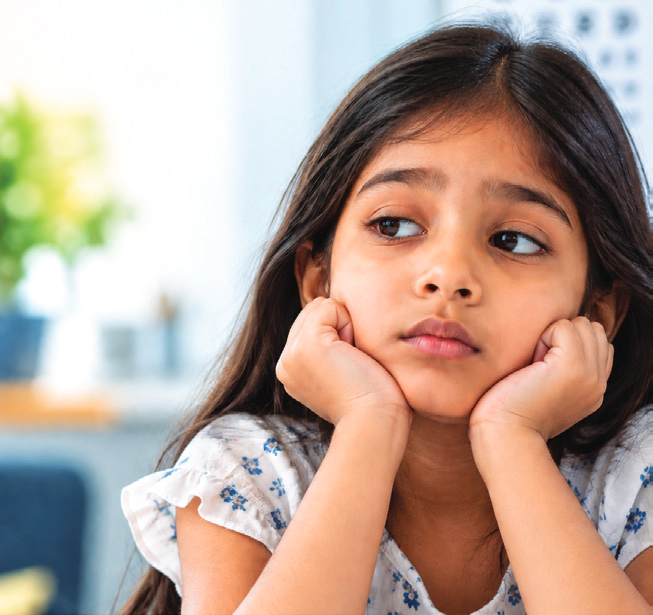 When should parents consult an ophthalmologist?
An eye examination is particularly important if:
- One eyelid suddenly starts drooping.
- The drooping is getting worse.
- The child frequently tilts her head or lifts her chin to see.
- She closes or covers one eye.
- One eye appears noticeably smaller than the other.
- She struggles to see things that other children of the same age can see.
- The eyelid seems to be interfering with her vision.
- Parents notice a new difference between the two eyes.
Children don’t always complain about poor vision. They may simply adapt to it because they have never experienced anything different. That’s why parents need to be observant and vigilant. If your child’s eyelids don’t look symmetrical, don’t panic or assume it is purely cosmetic either. A timely examination can tell you whether your child would benefit from treatment.
Treatment options. Some children may simply need regular monitoring. Others may need spectacles or treatment to help the weaker eye develop properly. In children where the eyelid significantly interferes with vision, an operation to lift the eyelid may be necessary. The timing of treatment is not the same for every child. A specialist will suggest appropriate treatment after evaluating the child’s vision and visual development.









Add comment