






Education for the Soul: Preparing Learners for a VUCA World
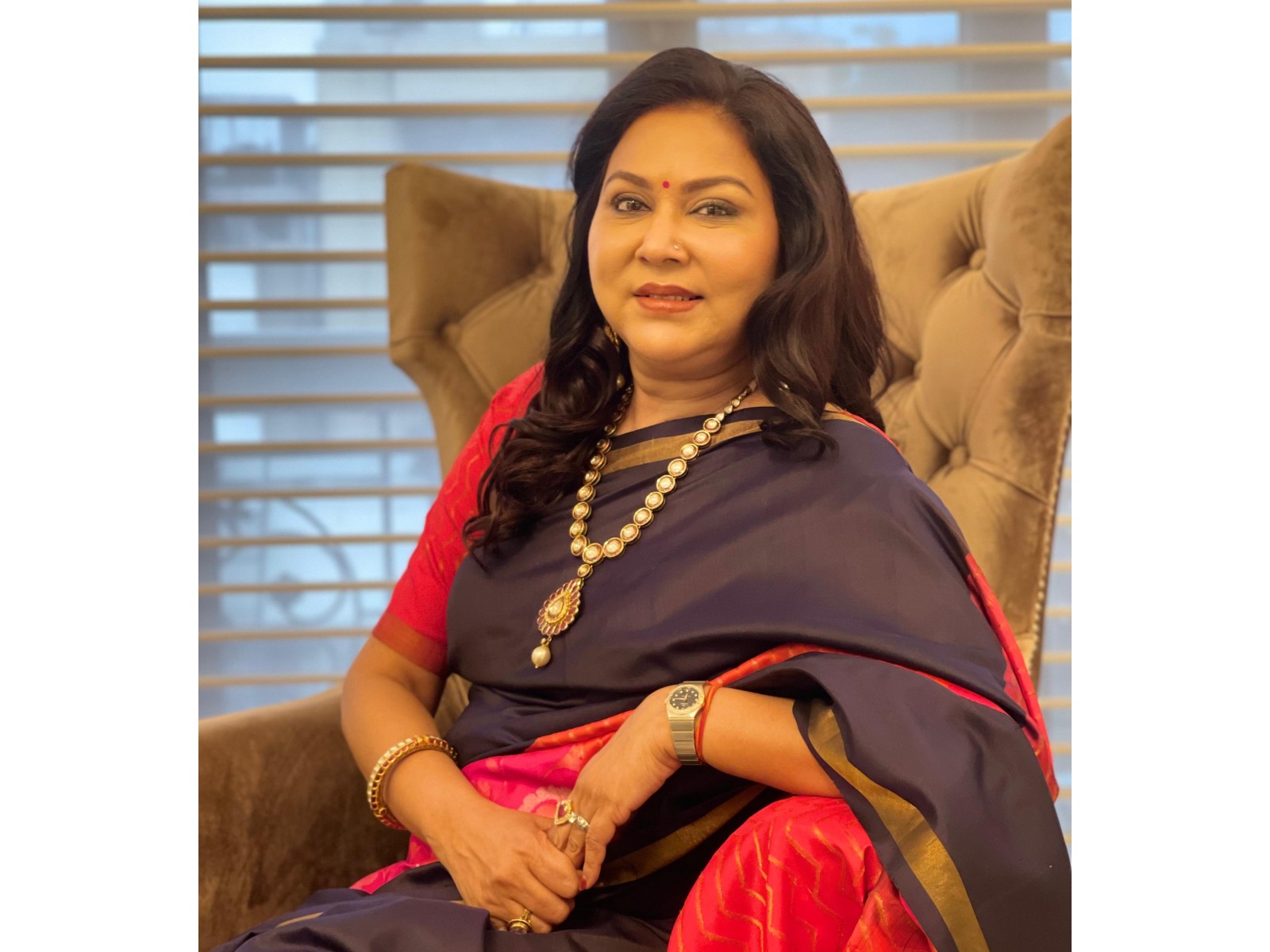
– Dr Gayatri Prakash, Trustee, Delhi Public School (Vadodara, Harni, Bharuch, Anand, Gurugram Sector 67A) and Avalon World School, Waghodia and Dabhoi | Founder, Sakaar Outreach
Independent India has made significant progress in strengthening its school education infrastructure, with approximately 14.89 lakh schools and 95 lakh teachers across the country. However, the systemic focus remains heavily tilted towards academic achievement.
The competition in academics as is evident in the extremely competitive entrance examinations which require years of coaching and efforts on the part of students, teachers and parents in addition to everyday schooling, creates very high levels of stress. These lead to utter neglect of the emotional and spiritual dimensions of children’s development.
In the VUCA (Volatile, Uncertain, Complex and Ambiguous) world in which we live today, the human cost of this imbalance is significant. Globally, the World Health Organization (2024) estimates that 14 percent of 10-to-19-year-olds experience mental health conditions, many of which remain untreated, especially in countries like India. Furthermore, modern society has often succumbed to consumerism, measuring success almost exclusively in financial terms. This “Value Void” leaves youngsters bereft of moral roots and a sense of belonging.
The Imperative for Change
The rationale for promoting Holistic Education is compelling. It aligns with the National Education Policy (NEP 2020), which shifts the focus toward integrated learning formats that create individuals who are physically, mentally and morally sound. As Rabindranath Tagore famously stated, “The highest education is that which does not merely give us information but makes our life in harmony with all existence.”
Holistic learning activates the intellect, emotions, imagination and physical growth for holistic development. By bridging the gap between academic knowledge and real-world application, we can empower students to lead meaningful and fulfilling lives.
The CHEM Architecture: Bridging Policy and Practice
While the need for holistic development is universally acknowledged, the challenge for the experienced educator lies in implementation. The Comprehensive Holistic Education Model (CHEM) was developed through a synthesis of insights from teachers, parents and school leaders, alongside a review of national and international best practices, by Dr. Gayatri Prakash. CHEM is anchored in:
Multiple Intelligences Theory: Utilising Howard Gardner’s theory to validate bodily-kinesthetic, interpersonal, intrapersonal and existential intelligences.
Hierarchy of Needs: Following Maslow’s work, where physiological and safety needs are met as prerequisites for self-actualisation.
The Four Pillars of Education: Drawing from UNESCO’s Delors Report, emphasising learning to know, to do, to live together, and to be.
Policy Alignment: Directly responding to the National Education Policy 2020 and NCF 2023 mandates for multidisciplinary and value-integrated learning.
The Four Interdependent Domains
To achieve integrated development, CHEM focuses on four dimensions that must be harmonised:
Physical Development: Beyond basic fitness, this domain focuses on health awareness, coordination and the connection between nutrition and cognitive health.
Social Intelligence: This emphasises interpersonal skills, cultural competence and the ability to function effectively in a community.
Emotional Intelligence: Centered on self-awareness, resilience, and emotional regulation, it equips students to manage modern stresses.
Spiritual Intelligence: Defined as “the capacity to integrate meaning and purpose in life through a connectedness with self, others and the environment”.
The modern Indian student is often caught in a “siren call of consumerism.” Success is measured almost exclusively in terms of material wealth, creating a void of moral roots. CHEM addresses this deficit by aiming to develop a strong sense of purpose and connection to higher meaning.
Measuring the Unmeasurable
To ensure accountability, CHEM provides teachers with qualitative tools to track progress across three dimensions:
Self-Awareness and Inner Growth: The first dimension focuses on mindfulness practice, understanding the purpose of life, establishing a value system and fostering inner reflection.
Connection and Compassion: In the second dimension, the focus is on evaluating empathy, universal compassion, environmental connection, community involvement and cultural appreciation.
Existential Understanding: The focus in this third dimension is on assessing interest in life questions, personal growth mindsets, wisdom development and transcendent awareness.
Assessment levels are labeled numerically (Level 1 to Level 4) to avoid labelling children with verbal terms, with higher numbers indicating deeper spiritual development.
Mindset Shift of Teachers: From Sage-on-the-Stage to Facilitator
Adopting CHEM requires a transformational shift in the teacher’s role. Educators must move toward Reflective Pedagogy that fosters empathy and resilience. This involves:
Learner-Centered Approaches: Placing the student at the centre of an organic, interconnected process.
Mentorship: Guiding students through self-discovery and critical thinking.
Teacher Learning Communities: Collaborative groups where educators share best practices, design innovations and provide peer support.
The Future of Education is Holistic
Education is not a race to be won, but a journey of “becoming”. In a world characterised by rapid technological disruption and shifting values, the greatest gift we can offer our students is the “Inner Compass” – that blend of emotional resilience, social sensitivity and spiritual purpose. By adopting these systematic tools, we shift the focus from mere academic achievement to the complete well-being and holistic development of the child.
Also read: The Under-16 Social Media Debate: Firsthand Observations from Schools and Parents









Add comment