






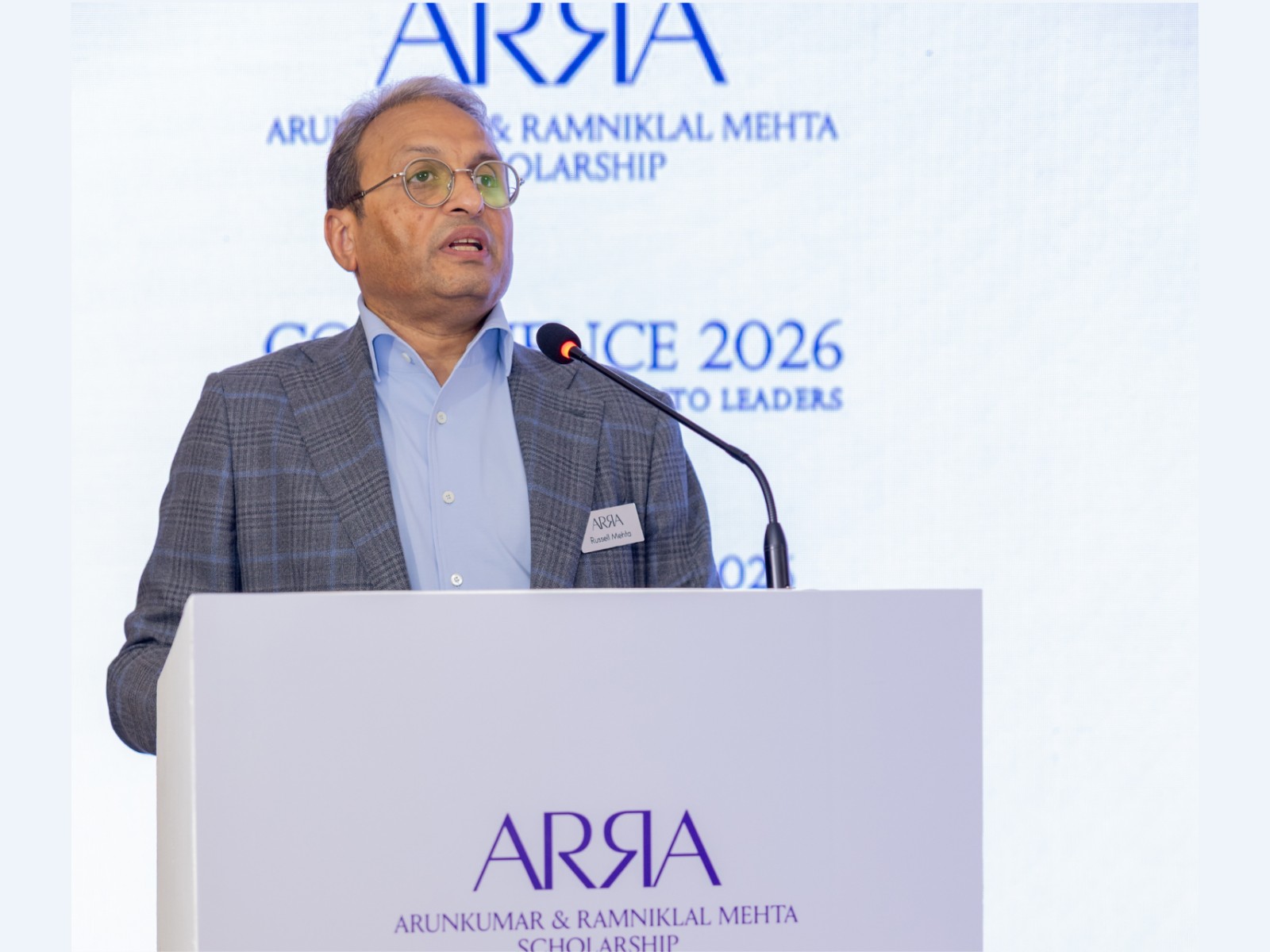
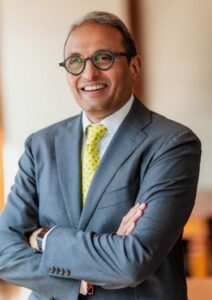
Eduleader In-Focus: Russell Mehta, MD, Rosy Blue (India) Pvt. Ltd. | Director, Rosy Blue Foundation
With over four decades of experience in the diamond industry, Russell Mehta is the Managing Director of Rosy Blue (India) Pvt. Ltd. (estb. 1960), one of India’s leading diamond companies. He also serves as Director of Rosy Blue Foundation (estb. 2010) — a CSR arm of the Rosy Blue Group that focuses primarily on education, community welfare, and environmental sustainability — and Chairperson of the Arunkumar & Ramniklal Mehta (ARRA) Scholarship.
He is a member of Young President’s Organisation (Mumbai Chapter), a past member of the Bharat Diamond Bourse Management Committee, and former Vice-Chairman of The Gem & Jewellery Export Promotion Council.
In an interview with EducationWorld, Russell Mehta talks about the objective behind launching the ARRA Scholarship, skills that can help India’s youth succeed in the present times, his long-term vision for the ARRA Scholarship and much more.
What inspired you to start the ARRA Scholarship?
ARRA began with something I kept noticing. Brilliant students – some from big cities, some from towns I’d never even heard of — earning admission to India’s finest institutions on merit alone, and clearing a household income filter that shows they got there without a financial head start. Getting there was already the hard part.
Most scholarships end right after that: the fee is paid, and the story ends. ARRA covers full tuition and living expenses for the entire course, and connects every scholar with mentors and a peer community from day one.
We wanted to ask a different question. What happens next? That question became ARRA. We a’re only two years in, and we are building it deliberately, one batch at a time.
How have your father’s and grandfather’s values shaped ARRA’s mission?
In the diamond trade, your word is your only real collateral. Deals are still sealed with a handshake. Trust takes years to build and a moment to lose. That is the world my father and grandfather built Rosy Blue in, and it shaped how our family thinks about long-term relationships. It’s why ARRA is structured as a commitment through a scholar’s entire course, not a single payout at admission. We didn’t want a scholarship that writes a cheque and moves on. We wanted one that stays.
What gap does ARRA address that other scholarships don’t?
Money solves the first problem. Getting in. It rarely solves the second. What happens after.
 A student from a small town, suddenly on an IIT or IIM campus, surrounded by people from very different worlds — often without a single person to call when it gets hard. Every ARRA scholar already ranks in the top 5-10 percent of their class before we even look at their application; from there, our job is making sure they have mentors — accomplished professionals across law, medicine, design, engineering and business — and a peer network, so no one walks that journey alone.
Beyond academics, what qualities do you look for in ARRA Scholars?
Being in the top cohort of your class, and meeting our household income criteria, is simply the entry point. From there, we run personal essays, interviews, and panel review, looking for resilience, integrity, curiosity, and a genuine instinct to give back. A scholarship, at its core, is a bet on someone’s future. We want to back people, not just transcripts.
How has your corporate journey shaped your approach to philanthropy?
The diamond trade teaches you to think in decades, not quarters. Some of our business relationships have outlasted the people who started them. That patience shaped ARRA entirely. Once a scholar joins, our commitment covers their full course, not just the first year. A cheque can solve today’s problem. Staying beside someone as they grow can shape their future.
What advice would you give young scholars for careers that may not exist yet?
Technology will keep changing. What makes us human shouldn’t. Curiosity, empathy and judgement will matter more, not less, as AI takes over routine technical work — which is exactly why ARRA connects scholars with mentors and peers across disciplines, not narrowly within one field.
My advice is simple. Don’t prepare for one career. Prepare to keep learning for the rest of your life.
What skills do young people need most to succeed today?
Knowledge will keep evolving. Character shouldn’t have to. Communicate clearly. Work well with others. Decide with integrity. Even in ARRA’s short history, the pattern already stands out on campus — the scholars who lead aren’t always the highest scorers. They’re the ones who combine ability with curiosity, and who the people around them choose to trust and follow.
What’s your long-term vision for ARRA?
 I don’t want ARRA to be remembered for how many scholarships we gave out. I want it remembered for who its scholars became. We ask scholars to stay in the top 15 percent of their class to renew each year — that bar stays real — but we also listen. If someone genuinely struggles for a semester, we work with them, not against them.
Our vision for the next decade is for ARRA alumni to actively mentor incoming scholars and open doors for one another professionally, so joining ARRA feels less like winning an award, and more like joining a family — and a network — that doesn’t let go.
Applications Open for ARRA Scholarship 2026-27
Applications for the ARRA Scholarship Batch 2026 (Academic Year 2026-27) will open progressively from July to November 2026, in line with the admission schedules of partner institutions across India. The scholarship covers students admitted to leading institutions in disciplines including Management, Engineering, Medicine, Law, Architecture, Design and more. Interested students can learn more about eligibility, participating institutions and the application process at www.arrascholarship.org.
Also read: Eduleader In-Focus: Dr. Madhav Chavan, co-founder and former CEO, Pratham










Add comment