






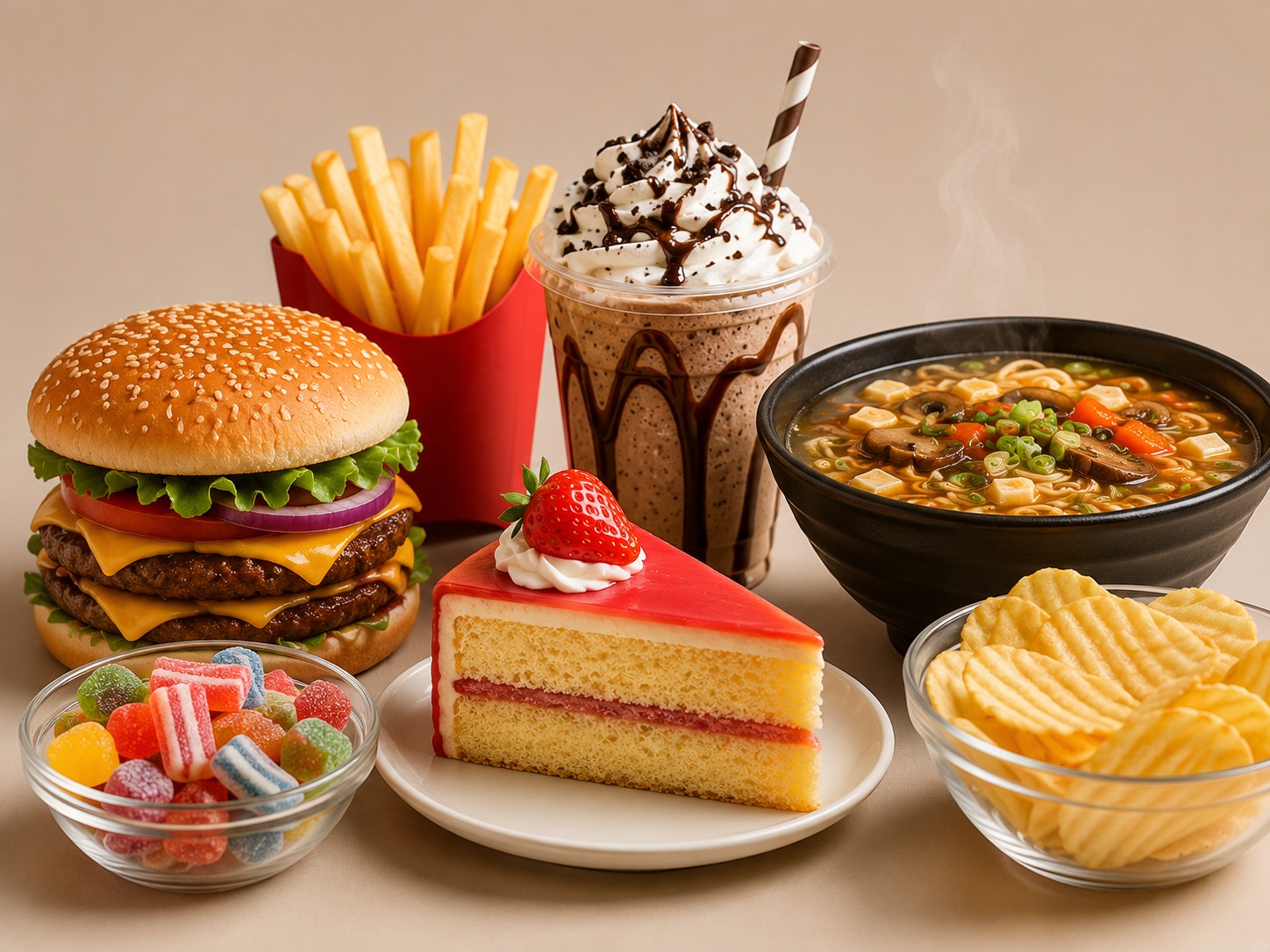
FSSAI proposes salt, sugar and fat limits for children
– Reshma Ravishanker
FSSAI has proposed thresholds for identifying foods high in fat, sugar and salt in schools, as part of its efforts to promote healthier eating habits among children and address the growing concern of childhood obesity.
The Food Safety and Standards Authority of India (FSSAI) has issued a draft notification on August 10, 2026 proposing changes to the Food Safety and Standards (Safe Food and Balanced Diets for Children in School) Regulations.
FSSAI has invited public, schools, food businesses, organisations and other interested people to submit their objections or suggestions to the draft notification. The draft will be considered 60 days after the date the publication of the Gazette notification.
In simple terms, the proposed amendment is intended to give a clear numerical definition of foods that are high in added fat, added sugar or salt, particularly in the context of food supplied or made available to school children.
The proposed amendment introduces a new Regulation 7 after Regulation 6, which currently deals with monitoring and surveillance. The new Regulation 7 would define when a food product is considered “high in added fat, added sugar or sodium/salt”. The proposed limits are based on the Dietary Guidelines for Indians, 2024, issued by the Indian Council of Medical Research (ICMR).
It maybe recollected that in some states like Maharashtra and Karnataka; food safety authorities called for a ban on junk food in school and college canteens to curb non-communicable diseases and obesity among children.
However, schools and parents had sought clarity on what foods would qualify as ones with high risk. Karnataka’s schools sought to know permissible limits and clarity on foods “labelled” healthy or “sugar free”.

FSSAI’s definition:-
High added fat: A solid food would be considered high if it contains more than 4.2 g of added fat per 100 g. For liquid foods, the limit would be more than 1.5 g per 100 ml.
High added sugar: A solid food would be considered high if it contains more than 3 g of added sugar per 100 g. For liquid foods, the limit would be more than 2 g per 100 ml.
High salt: A solid food would be considered high if it contains more than 0.625 g of salt per 100 g. For liquid foods, the limit would be more than 0.175 g per 100 ml.
Also Read: Doctors call for ‘watershed’ ban on junk food advertisements











Add comment