






Helping children develop healthy eating habits
PW invited parents of Navrachana Vidyani Vidyalaya, Navrachana Higher Secondary School Sama, Navrachana International School Vadodara — IB and Navrachana International School Vadodara — CBSE to share how they ensure their children develop healthy eating habits
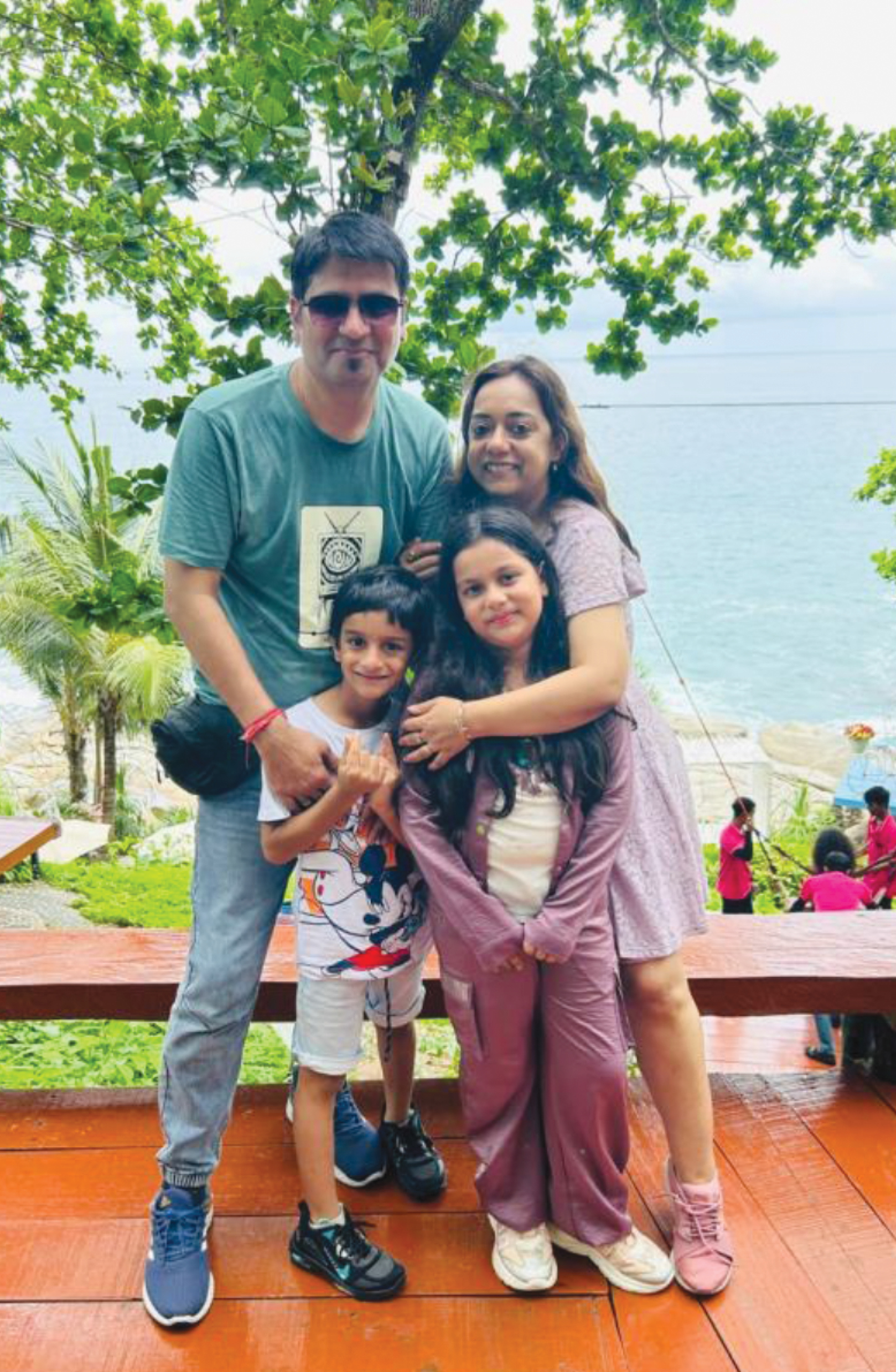
“We believe in leading by example. Helping my children — Naira (class V) and Nivaan (class 1) — develop healthy eating habits requires consistency, patience, and good example. Children naturally follow what they see, so when we choose seasonal fruits, vegetables, and home-cooked meals, they are more likely to do the same. With so many junk food options available today, we try to replace them with healthier alternatives. Traditional pulses can be adapted with a modern touch to suit Gen Z tastes. We also involve them by asking for their food preferences and creating healthier versions of their choices. We avoid storing junk food at home, reducing temptation. Most importantly, we educate them about the benefits of nutritious food and how each food group supports overall health” — Kruti Pandya, Proprietor Synergy Engineering
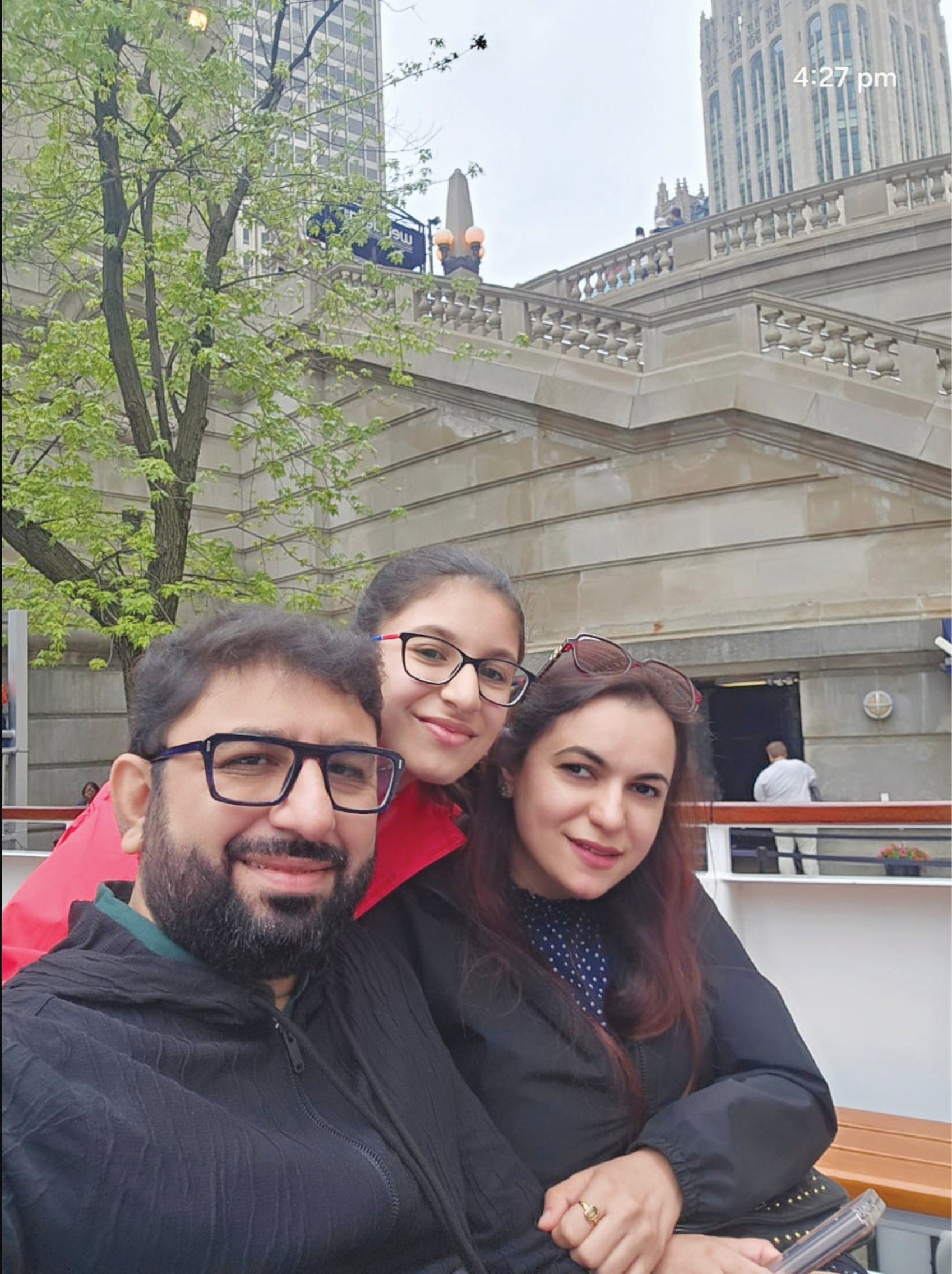
“As a dietician-mother, this subject is deeply personal to me. Children are growing, exploring, and forming their food preferences. Therefore expecting perfect eating habits from them is unrealistic. Instead, I focus on helping my daughter Alice (class VI) understand what balanced choices and appropriate portions look like, so she can enjoy the best of both worlds. Healthy habits are built through small, consistent daily practices. We eat meals together as a family, involve her in grocery shopping, read ingredient labels, and let her help with simple meal decisions. Watching her peers eat well at school has also motivated her to try more vegetables, reinforcing how important positive exposure is. For tweens, involvement, autonomy, and respect work far better than strict instructions.” — Hanova Parabia, dietician
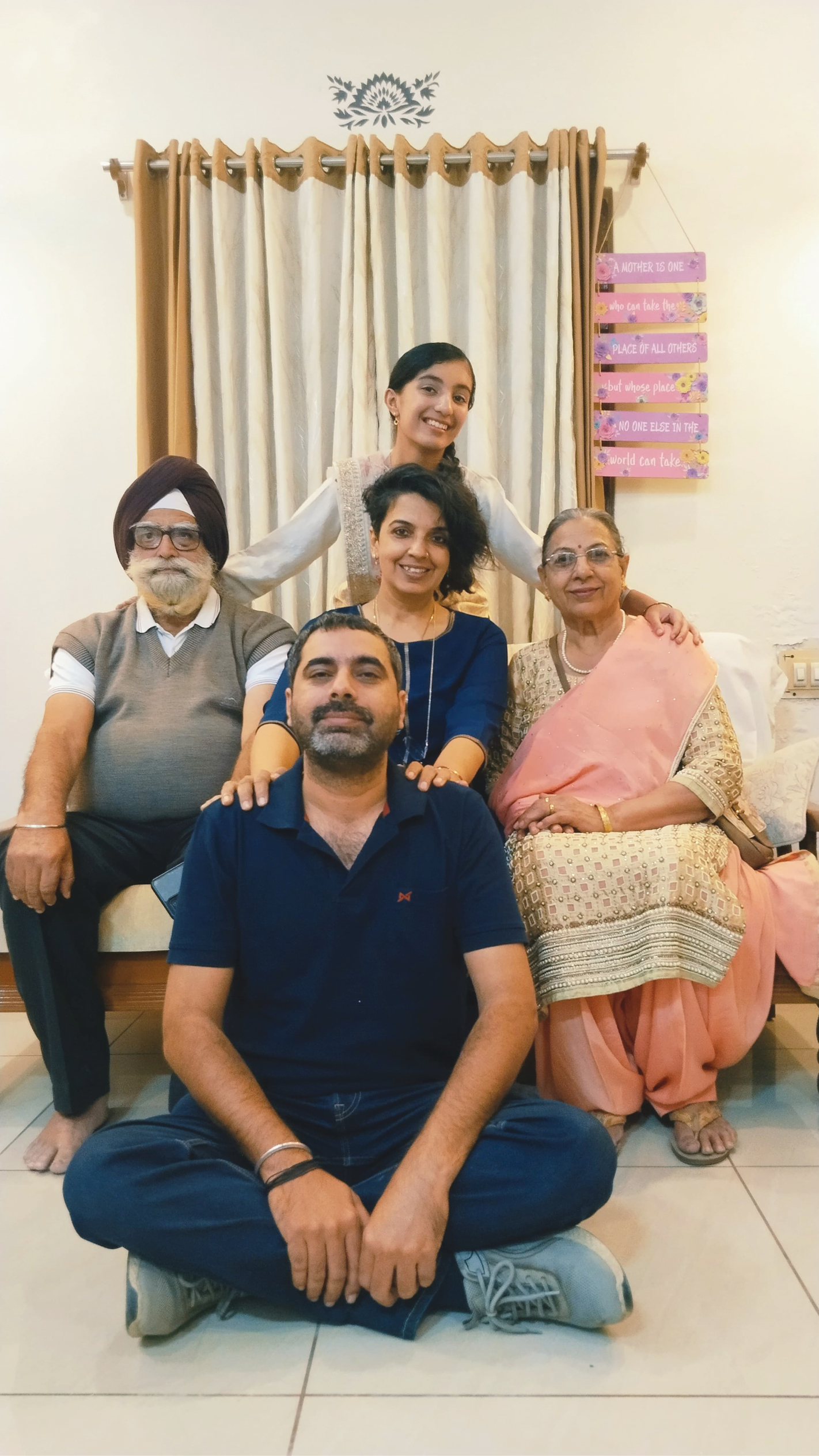
“I have watched my daughter Miriah (class VIII) struggle with food — tiny portions, strong resistance, and growing attraction to junk. I realised that strict rules wouldn’t work; what she needed were smarter alternatives. I began adding a spot of creativity, blending her favourite junk flavours into healthier versions she could enjoy guilt-free. Alongside this, we spoke about the hidden effects of junk food and irregular eating. The real change came when I understood her taste preferences. I listed foods she genuinely liked and let her be the boss of choosing from them. Gradually, she became involved in selecting vegetables, deciding flavours, and helping with kitchen chores. Our kitchen turned into a joyful workshop of laughter and learning. Food stopped being a battle and became an adventure. With ownership came awareness, and healthy habits grew naturally, making her feel energetic, confident, and empowered” — Lt Col (Dr.) Kamalpreet Saggi
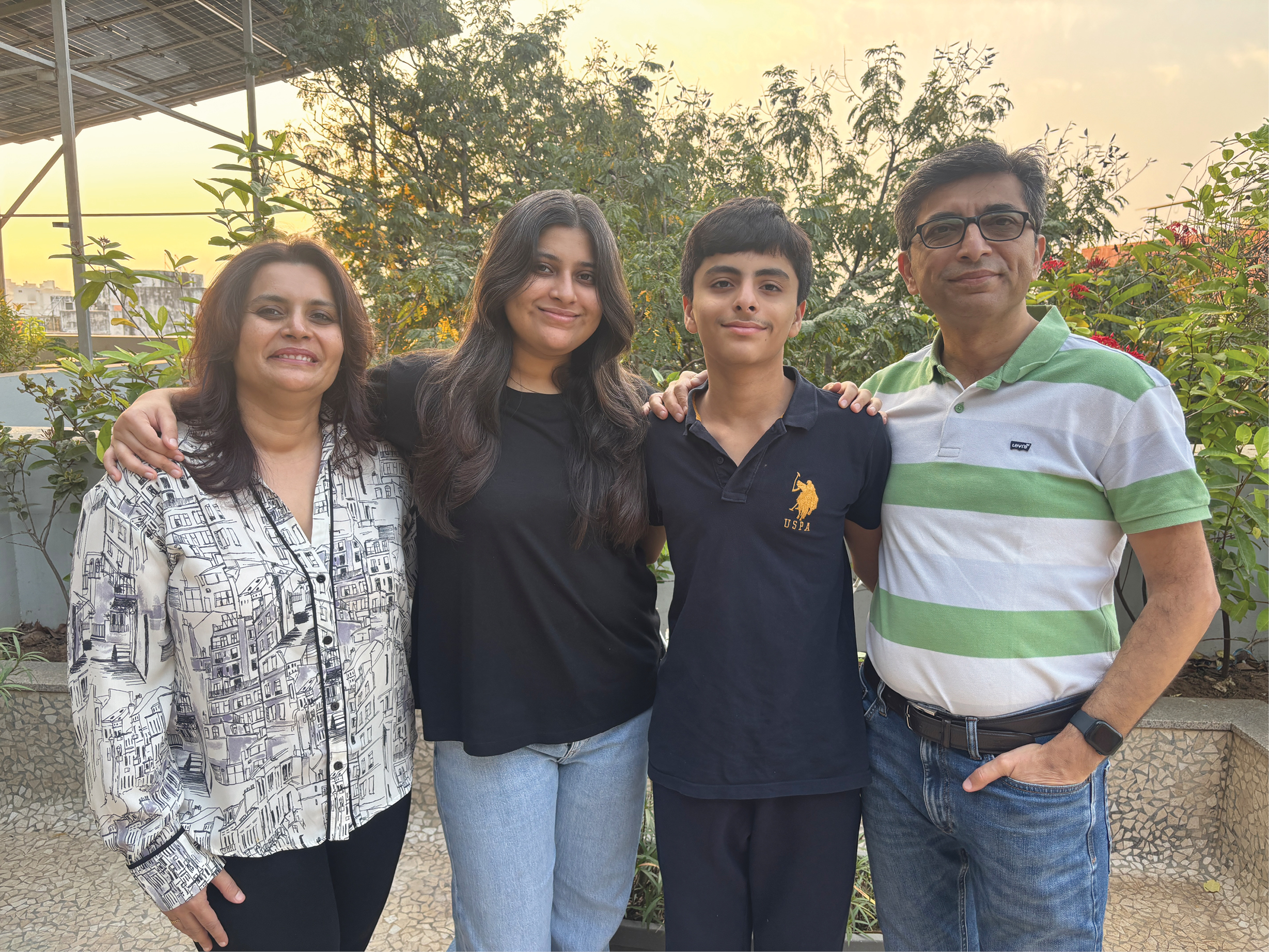
“Constant exposure to advertisements and food fads makes healthy choices challenging, and excessive lecturing often proves counter-productive. As parents of Advait Rahul (class VII), we try to lead by example by minimizing eating out and choosing local, seasonal produce that ensures balanced nutrition. Having family meals together without gadgets fosters healthier eating habits and meaningful interaction. We encourage mindful eating, stopping when one feels 80 percent full. Ultimately, a simple lifestyle supported by pure thoughts helps create physical, emotional, and mental balance” — Priyanka Rahul Thakkur, hospital management professional










Add comment