






How emerging technologies are creating new career opportunities for India’s young talent
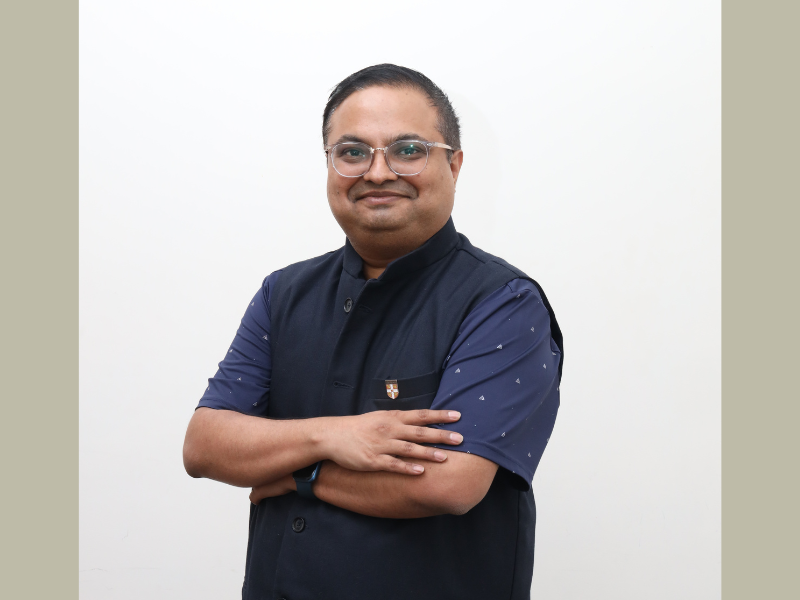
– Dr Ketan Deshpande, Chairman FUEL Group of Institutions
Artificial intelligence is everywhere, and in a country like India, it cannot be ignored. From the apps people use every day to factories transforming manufacturing, from rural fintech services to urban healthcare diagnostics, AI has been woven into the fabric of how India functions and grows.
What this means for the millions of young Indians entering the workforce today is equally clear. The challenge ahead is unlike anything any previous generation has faced. This isn’t a story about machines replacing people. It’s about people who understand new tools having a decisive advantage, and about a generation that has every reason to step forward with confidence.
A Market That Is Actively Hiring
India’s largest industries—technology, banking, healthcare, retail, and logistics—are not just talking about adopting AI; they are hiring for it. Positions that did not exist five years ago are now highly sought after. The demand for AI engineers, data analysts, machine learning experts, prompt engineers, and AI ethics reviewers is high and growing faster than the talent pool can keep up with.
AI hiring is expected to grow by another 32% in 2026. A report by Foundit Insights Tracker stated that nearly 2.9 lakh AI-linked roles were posted across the country in 2025. The gap between open jobs and qualified professionals represents one of the biggest career opportunities this generation will have.
AI Is Everyone’s Opportunity
One of the most encouraging developments is the breadth of industries touched by the AI opportunity. The biggest misconception is that AI careers are limited to a handful of technical roles. The reality is far more inclusive.
AI is fundamentally changing how work gets done across every sector today—whether client-facing or operational, creative or analytical, product-driven or service-oriented. Teams need people who can ask the right questions of AI tools, interpret what the outputs truly mean, and use that knowledge to make real-world decisions. That’s not solely a technical skill; it’s a professional skill that exists at the intersection of domain knowledge and technological awareness.
The professionals who will lead in this environment are those who understand their own field deeply and can bring AI fluency into it. That combination remains rare across industries today, which is precisely what makes it so valuable.
Skilling Is the Real Equaliser
India’s advantage lies not only in its young population but also in its growing ecosystem of accessible skilling opportunities. Leading technology companies have committed to upskilling hundreds of thousands of students and early-career professionals across the country.
However, availability alone is not enough. A motivated graduate living in a small town or village may have a smartphone and an internet connection, but without the right guidance, mentorship, and structured learning pathways, such access often remains unrealised potential.
What has been missing is the link between technology and the people it is meant to serve. Expert facilitation, local support, and on-the-ground guidance help transform available resources into real career outcomes. The gap exists, and it is significant. The biggest challenge facing India’s skilling ecosystem today is bridging that divide.
What the Moment Demands
Preparing for an AI-integrated career does not require abandoning one’s current path; it requires complementing it. Students of commerce can explore how AI is transforming financial analysis. Life sciences professionals can delve into AI’s role in diagnostics and drug discovery. Those in the humanities can examine the impact of AI tools on communication, media, and public policy. There are many entry points.
In this environment, success depends less on the number of certifications one possesses and more on a genuine willingness to keep learning. The professionals building the most resilient careers today are those who treat curiosity as a career strategy.
A Generation Positioned to Lead
India’s young workforce is entering the job market at a time of genuine opportunity. The technology is new, the roles are evolving, and the rules have yet to be fully written. That is not a reason for hesitation; rather, it is the very condition in which determined, skilled, and adaptable individuals have always found their greatest opportunities.
The invitation remains open. The question is whether this generation will choose to walk through the door.
Also Read: Language as Strategy: Why Korean Language Matters for India’s Academic Future









Add comment