






Letter from Managing Editor
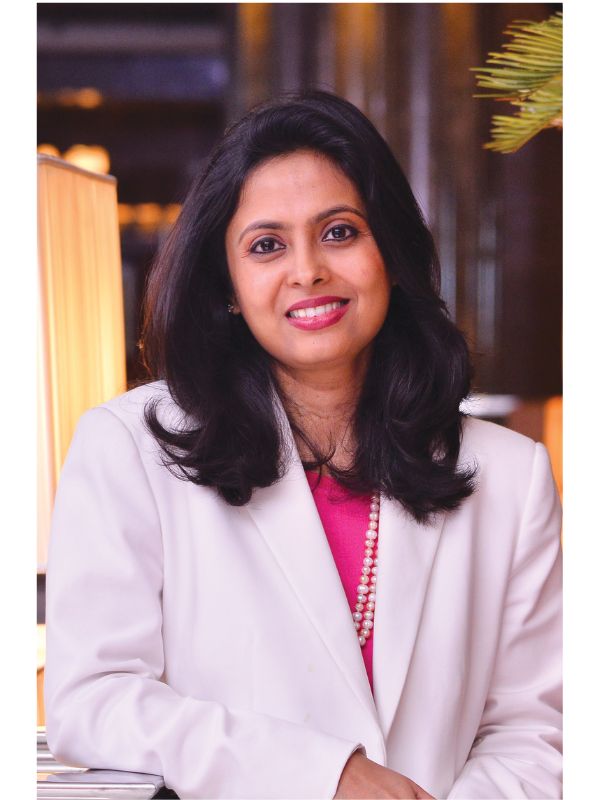
Summiya Yasmeen
Gen Z (born after 1996) and Alpha (after 2010) are growing up in a world unrecognisably different from their parents. Ubiquitous internet, smartphones, social media, AI, rising economic affluence, consumerism have changed social dynamics and exposed children and youth to a far wider range of lifestyles, aspirations and ideas about personal identity and freedom. In India, aka Bharat, even middle-class parents have conspicuously failed to evolve with the times. The overwhelming majority of Indian households are frozen in the traditional authoritarian parenting mode. Parents continue to demand unquestioning obedience from children and expect to control-and-command their lives through childhood, adolescence and adulthood. It’s common for parents to choose their children’s higher education streams, career pathways and brides and grooms.
The tragic consequence of this deeply entrenched authoritarian parenting culture were brought into sharp focus by the recent sensational Ketan Agarwal murder case, which has precipitated national soul-searching. On June 23, Siya Goyal (20) was arrested by Pune police for allegedly pushing her wealthy businessman fiance Ketan off a mountain precipice near Lonavala (Maharashtra). In her defence, Siya reportedly said that she dared not decline a marriage her parents had arranged for her, even though she did not love Ketan. Instead, rather than disobey her parents, she plotted with her lover to murder her fiance. This disturbing revelation has sparked a barrage of editorials, op-ed essays in newspapers and social media commentary on the dangers of parental control and command.
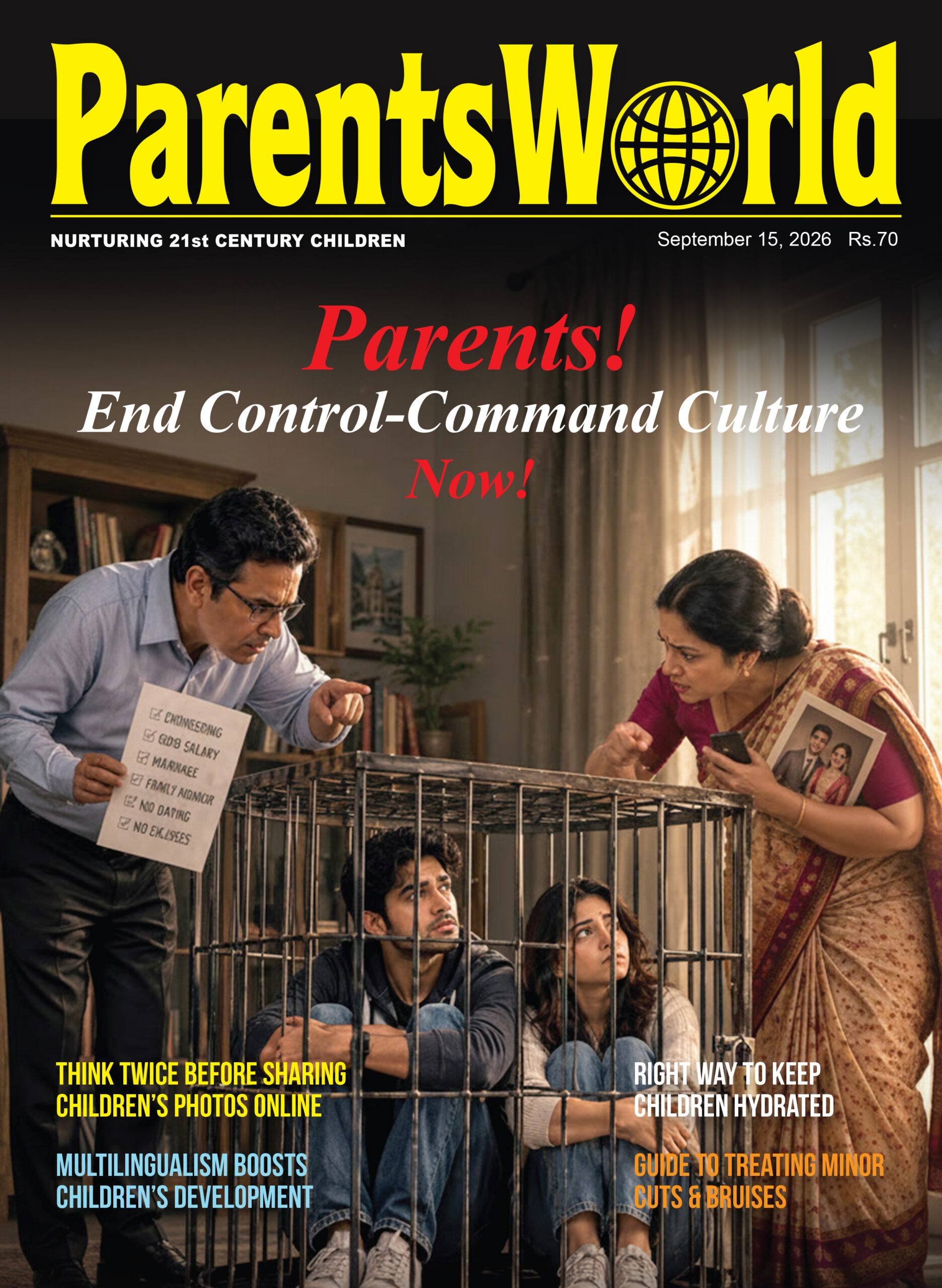
In our cover story this month, we make the case that the control-and-command parenting model is totally out of step with the zeitgeist of the 21st century. Once upon a time, this model was admired for producing disciplined, obedient children who excelled academically and professionally and lived pre-programmed lives.
But new winds of change are blowing over the sub-continent. Gen Z and Alpha are growing up in a hyper-connected world that extols autonomy, critical thinking and self-expression. They are increasingly questioning authority and demanding a greater say in decisions that shape their lives — as evidenced by the Gen Z protests under the banner of Cockroach Janata Party which shook the establishment in June-July. A panel of knowledgeable parenting coaches, psychiatrists, and counselors interviewed for this month’s cover feature advises parents to evolve from control-and-command to collaborative parenting and develop household cultures in which children’s voices are heard, opinions respected and given consideration.
This timely cover story apart, check out our Early Childhood story explaining the benefits of encouraging multilingualism in the early years to boost children’s learning and development. Moreover, our Special Essay from the Conversation warns parents about the safety risks of sharing children’s photos and videos online. Also recommended is the Health & Nutrition story on effective ways to keep children adequately hydrated.







Add comment