






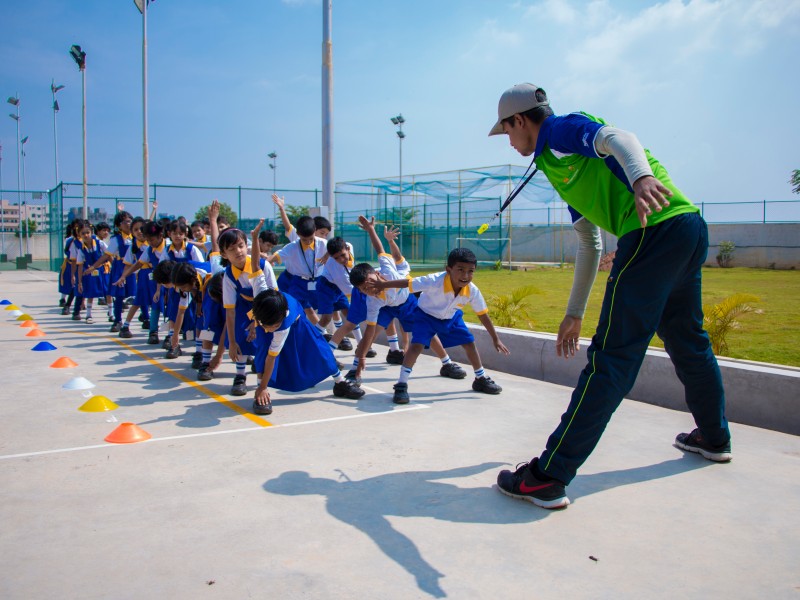
Only 1 in 3 children can run without breathlessness: Sportz Village survey
Sportz Village EduSports, India’s leading school sports organisation, recently released the findings of its 14th Annual Health Survey (AHS) 2026, covering 1,41,840 children across 333 schools in 112 cities across the country. The report highlights post-COVID fitness recovery, the impact of structured Physical Education (PE), and persistent health gaps requiring urgent action.
Launched in 2010, the survey tracks seven parameters including BMI, aerobic and anaerobic capacity, strength, and flexibility—offering a longitudinal view of children’s health across age groups, geographies, and school types, making it one of the most comprehensive datasets on youth fitness in India.
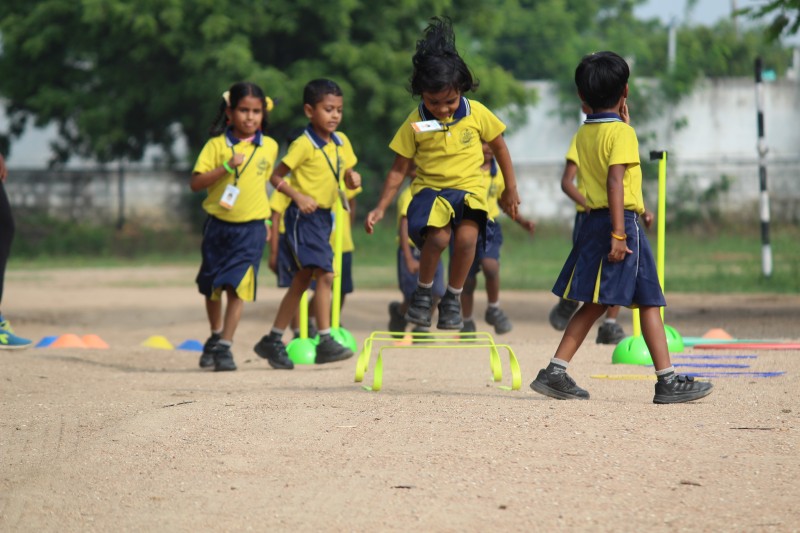
Key concerns
Two in three children lack basic aerobic fitness—the most critical long-term health risk linked to cardiovascular disease. Additionally, 40% fall outside a healthy BMI range, with minimal post-pandemic improvement, indicating that lifestyle habits beyond school hours play a crucial role. Strength deficits also remain high, pointing to increasingly sedentary, screen-heavy routines.
Saumil Majmudar, co-founder, CEO & MD, Sportz Village, said, “This year’s findings reaffirm something we have always believed – healthy childhoods are intentionally built! At a time when children are facing rising lifestyle-related health risks and growing emotional pressures, building healthy habits early has never been more important. Schools play a critical role by designing structured opportunities for movement, but lasting impact comes when families and communities support the same environment. As a country, we must continue to track and understand children’s well-being at scale, so that we can respond meaningfully and collectively. The opportunity before us is clear – to act with intent today and create healthier, happier childhoods for the years ahead.”
The COVID impact
Overall fitness dropped sharply from 70.5% (2020) to 56.2% (2022), reflecting the impact of prolonged school closures and reduced physical activity. It has since rebounded to 84.8% in 2025, surpassing pre-pandemic levels, but aerobic fitness continues to lag behind all other parameters.
Structured PE works
Students in consistent programmes improved fitness from 66% to 82%, with schools conducting over 80 sessions annually achieving 86% overall fitness—reinforcing the importance of frequency, quality, and continuity in PE delivery.
Other insights
Girls outperform boys in most parameters but lag significantly in aerobic fitness, highlighting the need for gender-responsive interventions. Public school students outperform private school peers in key indicators, suggesting that more daily movement and outdoor play can outweigh infrastructure advantages.
Conclusion
Children’s health is a shared responsibility. Structured, assessment-driven PE—not just casual sport—is essential to building long-term fitness. Sustained behavioural change, supported equally at school and at home, will be critical to ensuring healthier future generations.
For the full report, click here.
Also read: FUEL India listed on NSE Social Stock Exchange









Add comment