






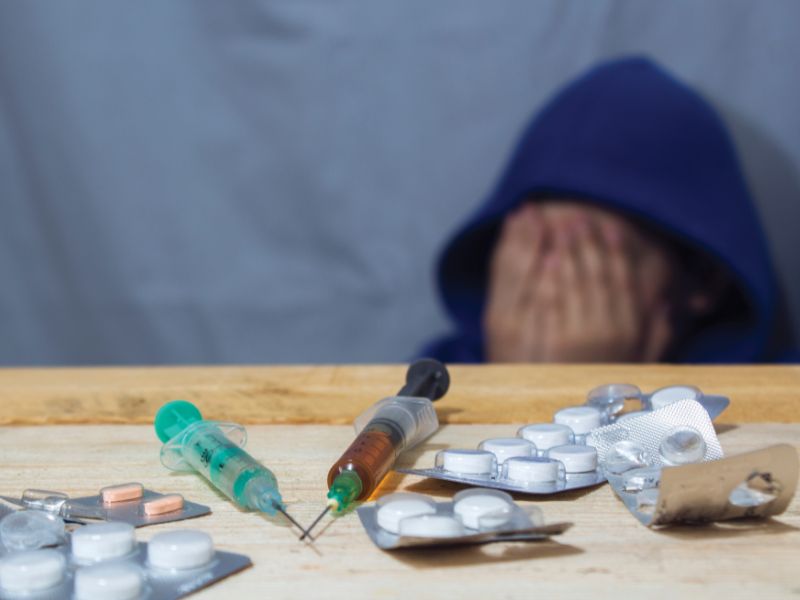
Parents Beware! Narcotic substances are addicting ever younger children
A recent AIIMS, Delhi survey indicating that the average age of children inducted into usage of narcotic substances is 12.9 years, has prompted much hand-wringing and lamentation about this issue often dismissed as a Western – specifically American – social problem
Kiran Balimane & Cynthia John
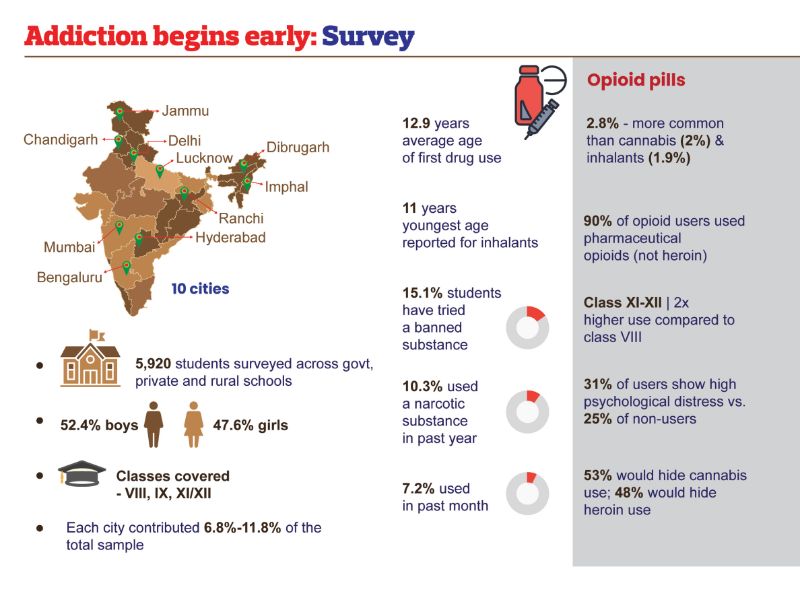
A year-end study, conducted by the National Drug Dependence Treatment Centre of the top-ranked All India Institute of Medical Sciences (AIIMS), Delhi, indicating that the average age of children inducted into usage of narcotic substances is 12.9 years, has shaken — or should shake — parents countrywide.
According to the study published in The National Medical Journal of India (December) which surveyed 6,000 government and private school children in 10 Indian cities including Delhi, Mumbai, Bengaluru, Chandigarh, Hyderabad, and Lucknow, 15.1 percent of pre-teen children reported having used a banned narcotic substance at least once with 10.3 percent having done so in the past year, and 7.2 percent in the past month. The most commonly used harmful substances were tobacco, alcohol, opioids, cannabis and inhalants.
Boys reported higher tobacco and cannabis use while girls showed higher inhalant and pharmaceutical opioid use. Especially alarming, 31 percent of child substance abusers indicated high levels of psychological distress. Moreover, 50 percent of the children interviewed said they would deny drug use if asked, indicating actual prevalence could be higher
The survey’s shocking conclusions have prompted much hand-wringing and lamentation about this issue often dismissed as a Western — specifically American — social problem. “The AIIMS study’s report that the initiation age of drug abuse is 12.9 years is very disturbing, as is the revelation that over 30 percent of child substance abusers are suffering psychological distress. One obvious reason is that because the internet and social media have normalised substance abuse, drugs have become easily accessible in India. Moreover, a growing number of Gen Z and Alpha children are suffering from mental and emotional problems which are driving them to find comfort in substance abuse. Early adolescence is a period of intense physical and psychological change, and the adolescent brain is highly vulnerable to experimenting with risky behaviour including substance abuse. Parents must take proactive steps to prevent and protect their children from this new age malaise. Early identification and timely action are critical for preventing children suffering serious physical and emotional damage,” warns Nivedha M, a Puducherry-based child psychologist.
While traditional addictive substances such as tobacco, alcohol, marijuana, and cannabis continue to be widely available and used, a new age narcotic has emerged: vaping. Although banned by the Central and state governments in 2019, vapes aka e-cigarettes are being covertly marketed as a safer alternative to tobacco, and have a significant user base among children. A 2023 survey by the Delhi-based Think Change Forum found that 96 percent of Indian teens aged 14-17 are unaware that vaping is banned countrywide, and 89 percent are oblivious of its harmful effects. Sleek design, nicotine flavoured options, and aggressive marketing strategies with downsides carefully masked have made vaping an attractive option for teens. Yet it is important to bear in mind that early introduction to this addictive substance has dangerous health implications for pre-teens and teens.
Common causes
Reena Chopra, a Bhubaneswar-based child psychologist and founder of Saar Holistic Wellness, a firm that propagates mindful parenting, advises parents to be cognizant of common causes of substance abuse. She enumerates the following as common triggers pushing children towards usage of addictive substances:
Peer pressure. “Adolescence is a period marked by strong emotional pressure for social acceptance. Fear of ostracisation can drive teenagers to mimic peer behaviour, including substance abuse. Allure of being part of the ‘in-crowd’ often outweighs the risks associated with vaping, drugs and alcohol.”
Emotional turmoil. “The teenage years are a period of emotional upheavals — academic and social pressures, in-family conflicts, and identity crises. Denied healthy coping mechanisms, teenagers find comfort in addictive substances. But they offer only temporary respite.”
Curiosity and experimentation thrill. “The adolescent brain is wired for exploration. The novelty of exploring the forbidden and risky is enticing. Unfortunately, this curiosity, when directed towards drugs/alcohol, which begins with experimentation, can eventually lead to dependency.”
Marijuana: usage signals
Marijuana aka weed/ganja is a narcotic commonly consumed by adolescents and young people worldwide, India included. If you suspect your child is becoming addicted, look out for these symptoms:
- She is unusually giggly and/or uncoordinated
- Red, bloodshot eyes and/or increased usage of eye medication
- Short-term memory lapses
- Drugs and/or usage paraphernalia — pipes, cigarette rolling papers
- Strange smelling clothes, bedroom
- Strong incense and other deodorizers smell for neutralising substances odour
- Purchase of jewellery/posters glamorising narcotics
- Extraordinary pocket money shortage
- Unusual behaviour including unkempt hair, sloppy demeanour, sudden mood swings, aggressive behaviour with family members, new friends circle
- Disinclination to attend school, loss of interest in sports, hobbies and extra-curricular interests
- Change in eating and sleeping habits, aggressive classroom behaviour and brushes with authorities
Source: www.drugabuse.gov
Signs & symptoms
According to Nivedha M, parents need to take note of sudden changes in children’s behaviour. She advises parents to watch for common behavioural changes including sudden mood swings, irritability, aggression, anxiety, social withdrawal and physical symptoms such as red or tired eyes, sudden weight loss/gain, and unusual fatigue.
“Mood swings and desire for privacy are natural during adolescence. These symptoms are not cause for alarm. Symptoms that require parental attention are a pattern of significant changes such as withdrawing from previously valued activities, furtiveness over signs of weight loss/gain. When parents observe such behaviour changes, they should speak to children empathetically, not harshly or critically,” advises Nivedha.
Preventive strategies

Child psychologists and parenting experts are unanimous that prevention is the most effective response to substance abuse in children and adolescents, because early exposure significantly increases the risk of lifelong dependence, mental health disorders and anti-social behaviour. Unlike adult addiction, childhood substance use is deeply influenced by home environments, peer pressure, school culture and community norms. While India does not have a separate national anti-substance abuse policy for children, the Union Ministry of Social Justice & Empowerment’s National Action Plan for Drug Demand Reduction accords high importance to substance abuse prevention and addiction among adolescents through school-based education, community outreach, early identification and family-focused intervention. While parents should encourage their children’s schools and colleges to conduct drug abuse prevention programmes focused on refusal skills, peer pressure, stress management, and informed decision-making, parents themselves have a duty to encourage two-way communications at home, model healthy coping behaviour, remain alert to early warning signs, and create supportive environments in which children feel safe to ask for help without fear or stigma.
Comments Rajat Soni, a Delhi-based youth and parenting coach and author of Un-judge your Teenager (2020): “Parents play a vital role in preventing children from falling into the deadly trap of harmful drug addiction. But preventing substance use is rarely about strict rules and/or constant supervision. It is dependent upon the relationship quality between parents and child. Although boundaries are important, parenting based on control and command can lead teenagers to conceal bad and dangerous habits. Teenage children less likely to experiment with addictive substances report one common experience — they can talk honestly with their parents. Not because they fear punishment but because they know they will be heard non-judgmentally and receive full parental support. Attentive parents who invite dialogue make children feel valued rather than judged, prompting children to make thoughtful choices.”

Soni recommends parents to have ‘four conversations’ with their children to support healthy decision-making and choices:
- Values conversation. Long before children are exposed to addictive substances, they are forming ideas about who they are and what matters to them. Parents should support this identity formation process by asking open questions such as: “What matters most to you?”, “What makes an individual a good friend?” Such conversations enable children to distinguish between right and wrong. Later, when they face peer pressure, they are more likely to recognise situations that don’t align with their values. Moreover, parents should connect home/family values and character strengths to health and safety by explaining why drug abuse interferes with children’s goals, well-being, and future opportunities.
- Peer pressure conversation. Peer influence is strong from the early teen years. Many adolescents are averse to substance abuse but fear refusal will invite social rejection. Parents need to make conversations on this issue practical rather than theoretical. Take them through realistic scenarios and practice respectful ways to decline. Such role play enables teenage children to be prepared for peer pressure rather than be caught off guard. However, it is important to acknowledge that fitting into a social group matters to children. Let them know you understand social pressure and emphasise that true friends respect boundaries. It will ease children’s anxiety and strengthen decision-making.
- Stress and coping conversation. Some teens resort to using addictive substances to cope with stress and emotional trauma. That is why conversations about children’s emotional well-being are as important as conversations about harmful substances. Parents should take the lead to ask open questions such as “What has been bothering you lately, what helps you feel better during hard times?” Parents should share their own coping strategies to normalise emotional challenges and emphasise that addictive substances are not an effective solution. Teenage children who receive unconditional parental support are less likely to resort to substance abuse.
- Accountability conversation. It’s important to set expectations, and to frame them appropriately. Instead of relying on threats or fear, set accountability as a shared goal of safety, honesty and growth. Explain what you expect to know: plans to go out with friends and entertainment choices, for instance, and why parents need to know. When children understand that parents need to know children’s whereabouts not to restrict freedom but to ensure their safety, well-being, children are likely to cooperate and make responsible choices. Equally important is reassuring your child that if she feels unsafe or overwhelmed, she can reach out without fear of shaming. Children are far more likely to ask for help when they believe mistakes will be met with parental empathy and guidance rather than censure and anger.
“Modern day teenagers are exposed to online content that normalises and/or glamorises substance use. Parents should discreetly monitor their children’s online usage without being intrusive. Transparency around boundaries and monitoring when framed as protection rather than punishment generates trust and care. With open communication and proactive interventions, parents can safeguard their children against substance abuse,” says Soni.
De-addiction treatment
There is no common treatment for substance abuse. De-addiction centres and counsellors advise a combination of therapies:
- Professional counselling of patient and parents
- Medication to treat withdrawal symptoms
- Treating related problems such as depression and mood disorders
- Behavioural therapy
- Positive reinforcement activities
- Family therapy
- Residential treatment if necessary
Contact the following helplines if you need immediate support:
- Nasha Mukt Bharat Abhiyaan Helpline: 14446. A toll-free national helpline offering counselling, information on de-addiction services and referrals to accessible treatment centres.
- Kiran Mental Health Rehabilitation Helpline: 1800-599-0019. Operates 24/7 and provides psychological support, counselling and referrals, including for substance use and related mental health concerns.
- CHILDLINE 1098. For children in distress including those at risk due to substance use, abuse or neglect. This service connects callers to local child protection and support services.









Add comment