






Pristine cultural charms of coastal north Karnataka
Although neither the state’s tourism ministry nor the Karnataka State Tourism Development Corporation seem to be aware, north and coastal Karnataka is a natural extension of the state of Goa to the north, offering a comparable combination of sun, sand and sea plus easily accessible trekking trails in the verdant forests of the Western Ghats
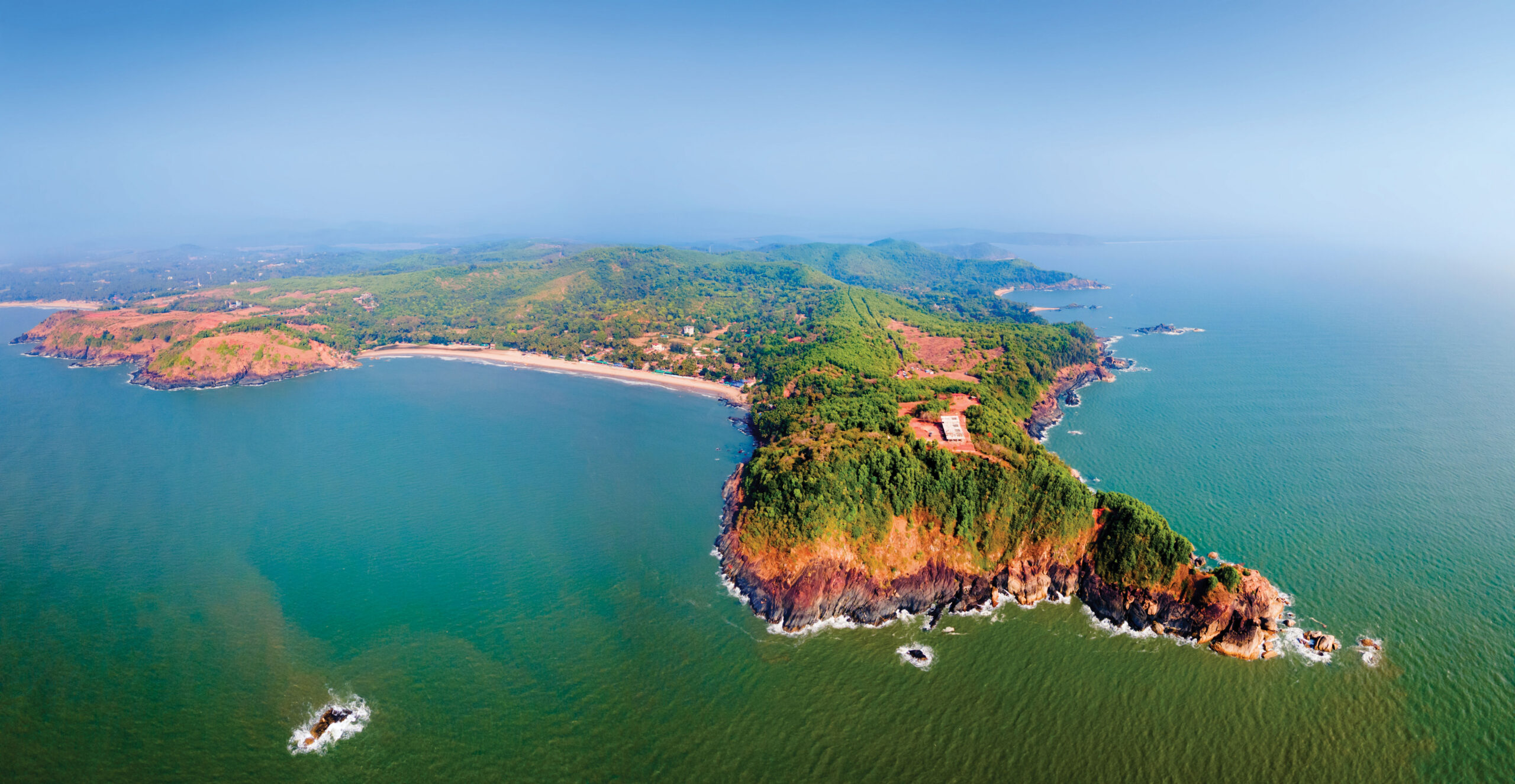
With its administrative capital Bengaluru renowned as the Silicon Valley of India because of its plethora of IT (information technology) and BPO (business process outsourcing) firms, the southern state of Karnataka (pop. 69 million) has conspicuously failed to realise its full tourism development potential. While the tourism infrastructure of Bengaluru (pop. 14.7 million) and southern Karnataka — especially the Mysuru-Coorg region — is fairly well developed and attracts eight million domestic and foreign tourists annually, northern Karnataka, particularly its pristine coastal belt, lacks the well-oiled infrastructure of commercial tourism, despite its silver beaches that rival those of Goa to the north, lush green forests, and mountain ranges of the Western Ghats that run parallel to the coast.
Although neither the state’s tourism ministry nor the Karnataka State Tourism Development Corporation (KSTDC) seem to be aware, north and coastal Karnataka is a natural extension of the state of Goa to the north, offering a comparable combination of sun, sand and sea plus easily accessible trekking trails in the verdant forests of the Western Ghats.
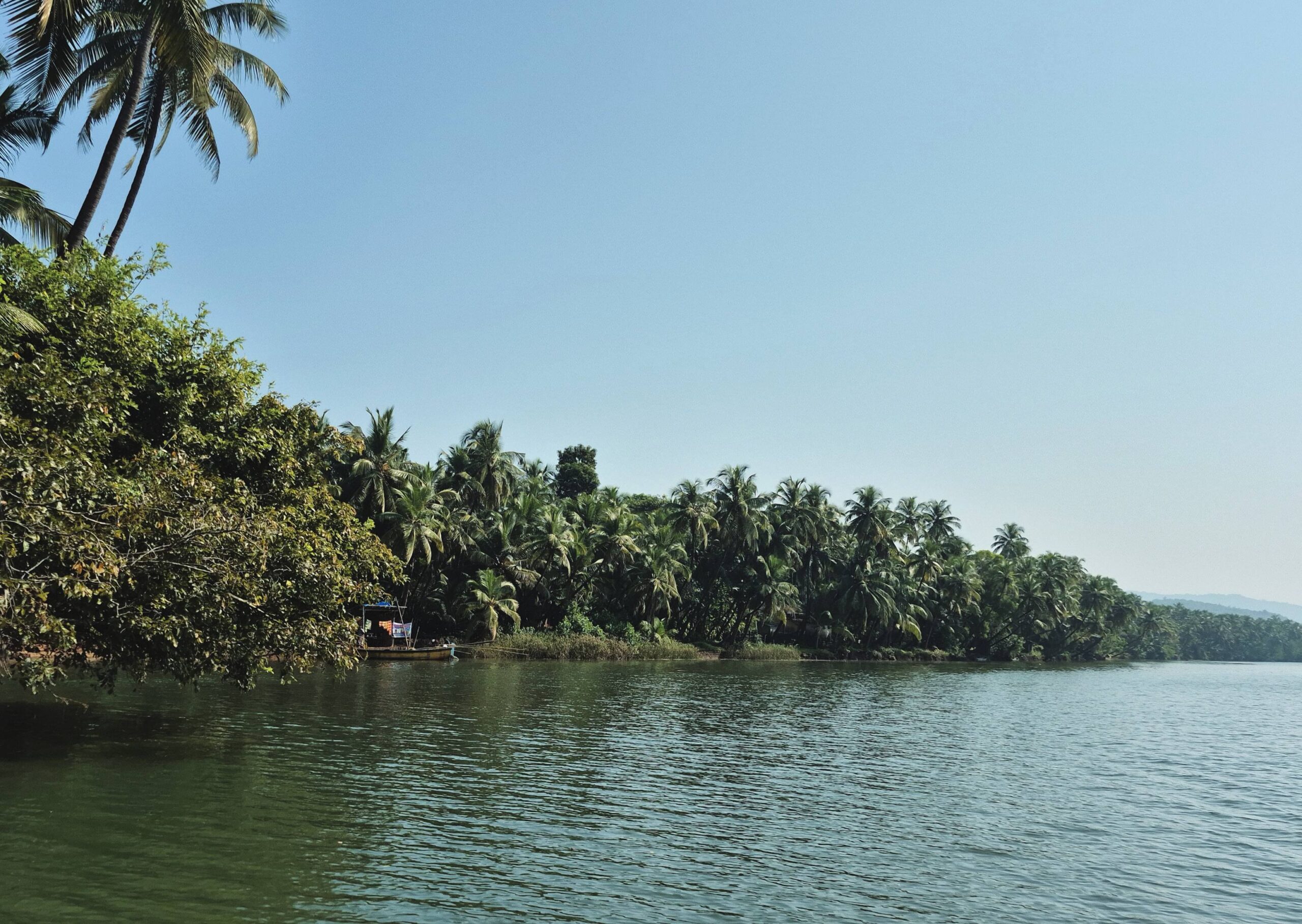
Karwar
Karwar
The base point for exploring the hidden charms of northern Karnataka is the seaside town of Karwar (pop. 77,139), the administrative capital of Uttara Kannada district. Sited south of the River Kali, and nestled between the sea and Western Ghats, Karwar is well-connected by road with Mumbai (650 km along NH 17); Goa (85 km) and Bengaluru (424 km). It is also a well-networked railhead.
Boasting several splendid beaches, Karwar is a major base of the Indian Navy and a commercial centre built around the paper, food and mining industries. A five-minute walk from the crowded town centre is the Rabindranath Tagore Beach named after the Nobel laureate who was inspired to write his first play on these very shores. The garden at the entrance to the beach adds charm and is a good spot to enjoy the cool of evenings. Karwar Bay near Binaga is the site of a sprawling Indian Navy base. The scenic beaches of Kamat Bay and the Arga Beach, which have been subsumed into the naval base, are closed to public except during the Navy Week in early December.
Picture postcard perfect in every way is the Devbagh Beach, a hidden paradise accessible by a short boat ride to the far side of an eponymous offshore island. With its calm blue waters, gentle salt sprays and thick casuarina cover, Devbagh is ideal for a quiet, away-from-it-all break. Residential accommodation is offered by the Devbagh Beach Resort, a government of Karnataka undertaking with its furnished log huts-on-stilts. A rustic gazebo called Gol Ghar serves as its social centre and dining room.
Even if belatedly, tourism infrastructure is emerging on the island with snorkeling and scuba diving facilities and instruction offered by the resort. Boat rides to neighbouring islands Kurumgad, Oyster Rock and Anjadiv, the latter housing an ancient Portuguese church, are popular, with dolphins and sea otters cruising in the water. Warm and friendly tribal communities in the region offer handicrafts and impromptu song and dance rituals on request.
Back in Karwar, the 300-year-old Venkataramana temple, with some fine paintings, and Sadashivgad Fort, housing a Durga temple, are worth a visit as is the Sri Maruti temple in town centre. Karwar is also a gateway for tourists from Karnataka to enter Goa which is at a distance of about one hour from town centre.
Accommodation. Karwar offers medium range and budget accommodation unlike bordering Goa which is known for its plush star hotels and luxurious beach facing villas. Mid-range & budget accommodation: Hotel Eden (Rs.4,210 per night), Sterling Karwar (Rs.2,900); West End Hotel Karwar (Rs.2,184); Hotel K Plus (Rs.946).
Ankola
An hour’s drive south of Karwar are traditional villages seemingly untouched by time, which lead to several beaches. A walk through the village to the old port of Belekiri is the gateway to long stretches of unexplored beach. This small town is surrounded by numerous temples, the most exquisite of which is the Shantadurga temple with idols of Durga, Ganesh and others Hindu deities. The Venkatramana and Lakshminarayana Mahamaya temples are also worth visiting.
Ankola is a sleepy village from where you can access several hidden beaches good for rest, relaxation and quiet contemplation. Among them is Honey Beach which can be reached by a 30-minute rickshaw ride through quaint villages surrounded by emerald paddy fields. Most tourists prefer to visit Ankola while booking accommodation at Gokarna.
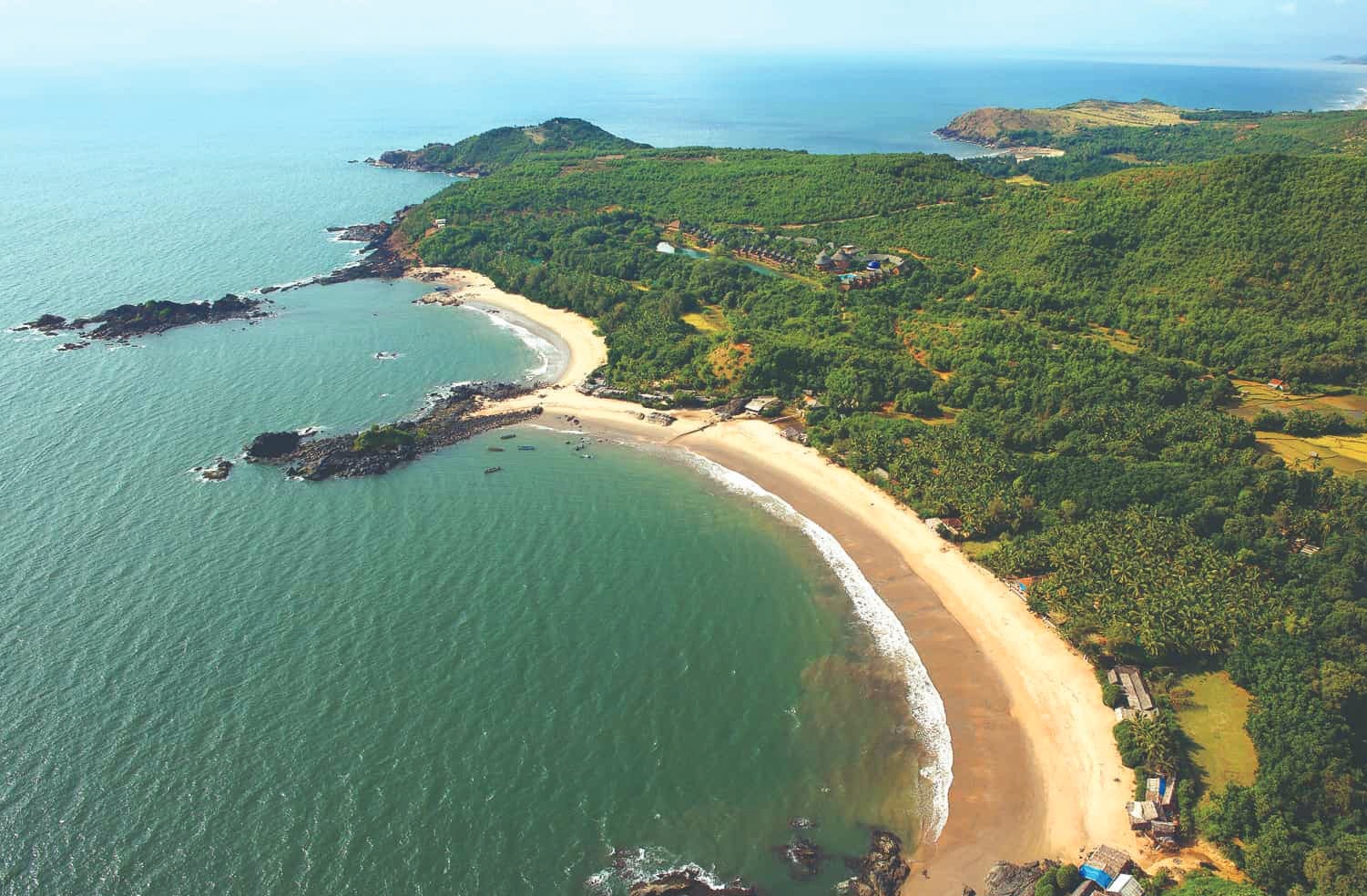
Om Beach, Gokarna
Gokarna
Unchanged alleyways lined with rows of wooden houses, ashrams and magnificent temples, define the town of Gokarna (pop. 15,000). A sacred pilgrimage centre for devout Hindus, it attracts pilgrims as well as travellers all through the year. Gokarna (literally ‘cow’s ear’) is located at the ear-shaped confluence of two rivers — the Gangavali and Aghanashini.
Offering an inviting mix of beaches and temples, Gokarna is best explored in the early mornings, when sonorous Vedic chants and bhajans fill the air. An early morning breakfast at Prema’s café or the Mahalaxmi with their roof-top restaurants, offer a good start to the day. Follow it up with a tour of the renowned Mahabaleshwar temple dedicated to Lord Shiva.
Also take in the Maha Ganapati temple in honour of the boy Ganapati, and the Venkataramana, Badrakali, Uma Maheshwari and Varadraj temples.
Gokarna beach which runs for miles, is an unspoilt refuge to relax, indulge in sand and sea and cool off on hot sunny days. On the beach there are numerous restaurants offering an array of seafood, and ayurvedic spas with a range of rejuvenating treatments.
For the more adventurous, there are other beaches to explore. A ten-minute drive or a 30-minute walk on the back roads of Gokarna leads to Kudle Beach, a favourite meeting point of backpackers and budget travellers. Numerous guesthouses line the beach and most of them have restaurants that serve just about everything.
Pounded by white surf breakers of the Arabian Sea is exotic Om beach. Shaped uncannily like the auspicious ‘Om’ symbol, it affords uplifting views of unending sand and sea. Accommodation is plentiful from budget to mid-range and high-end. The beach can be reached either by a testing trek from Gokarna town, or by autorickshaw (Rs.150). Namaste Cafe is a well-known beachfront restaurant and provides mid-range accommodation nestled on the scenic shores of Om Beach is among the popular destinations for tourists.
From Om beach a 20-30 minute trek, or a short boat ride will get you to Half-moon beach. With never more than a dozen people around, it’s a perfect refuge from madding crowds. Paradise beach further down, as its name suggests, is a secluded utopian retreat. Both beaches are accessible only by foot or boat.
Accommodation. High-end and mid-range: Stone Wood Premier Gokarna (Rs.6,815 per night), Kudle Beach View Resort And Spa (Rs.5,774), Sanskruti Resort (Rs.3,394); Budget: Sunset Café Beach Stay (Rs.2,625), Gokarna International Beach Resort (Rs.2,340), Famstel Gokarna – Beach Stay (Rs.1,515)
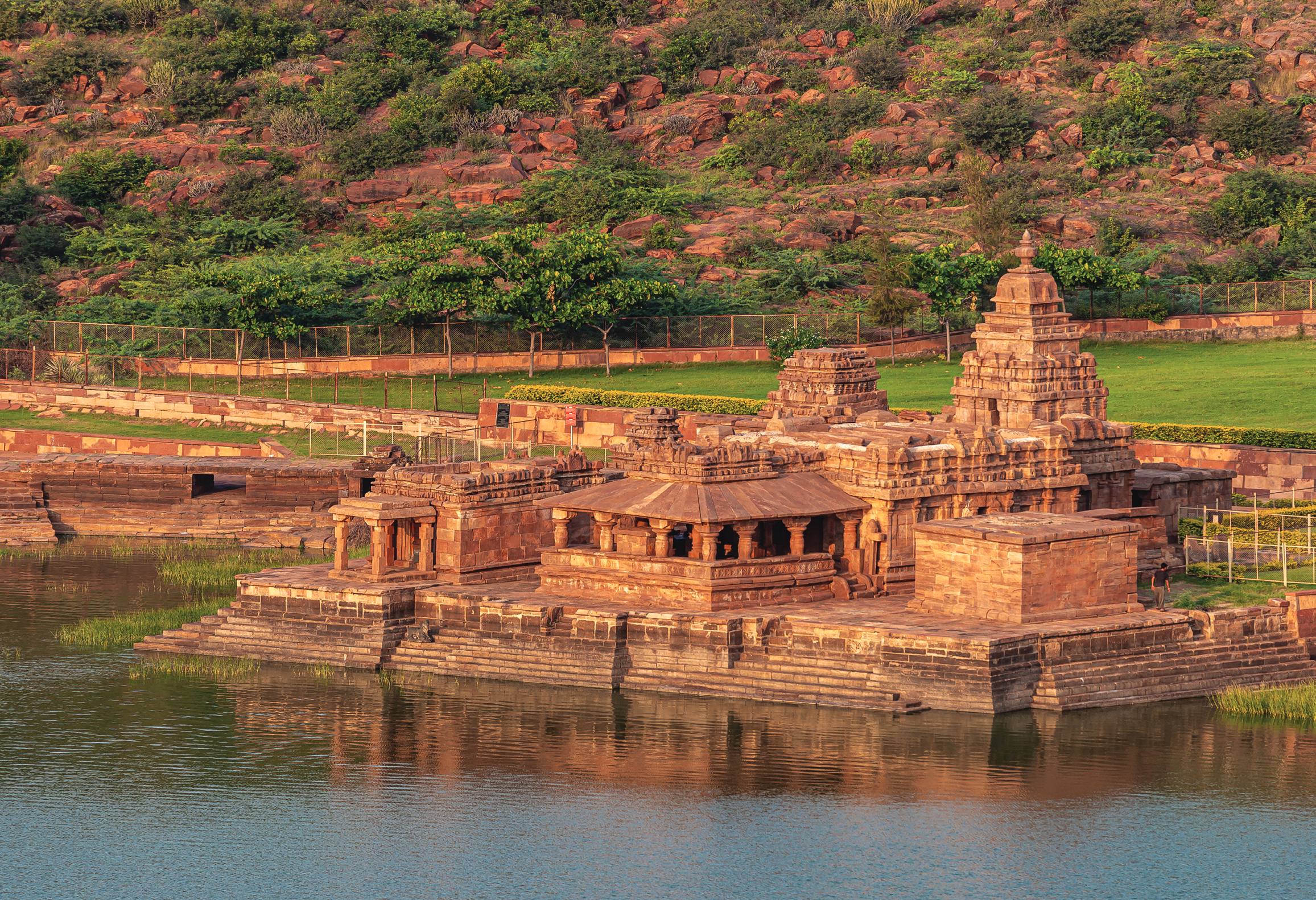
Bhutanatha Temple, Badami
Badami
Once the capital of the Chalukya empire (300-700 AD), Badami is a non-descript village today. Nevertheless it boasts magnificent rock-cut temple architecture which is a unique blend of south and north Indian schools. The rock-cut caves of Badami, currently populated with mischievous monkeys, are the surviving glory of this Chalukya capital gone to seed.
Cave 1, dedicated to Lord Shiva, is the oldest of four, dating back to 500 AD. On a cliff wall to the right of the cave is a captivating painting of Shiva as Nataraja in 81 dance postures, while the porch is dominated by a huge figurine of Ardhanarishvara.
Cave 2, simplest in design of all four caves, is dedicated to Lord Vishnu. The four pillars supporting the cave are embellished with carved figurines of the mythical Yarli. The ceiling has a figure of Vishnu riding Garuda, swastikas and the 16-fish wheel, an incarnation of Vishnu. To the left of the cave is the naga (snake) couple and the right wall has a large sculpture of Trivikrama, another incarnation of Vishnu holding weapons in his hands.
Two flights of steps take you to Cave 3, perhaps the most exquisitely designed and decorated under the supervision of Mangalesha, brother of King Kirtivarma in 578 AD. The cave entrance displays a large relief of Vishnu reclining on the serpent sesha, symbolising the cosmic ocean. Standing next to it is the image of Varaha. The ceiling is enhanced with sculpted images of Indra riding an elephant, Shiva a bull and Brahma on a swan.
Cave 4, dedicated to Jainism, is the smallest of them all. The sanctum contains an image of Adinath, the first Jain tirthankara (teacher). The right wall has an image of Suparshavantha, the seventh Jain tirthankara, surrounded by 24 teachers.
Apart from these awesome caves, Badami Fort, strategically situated atop a northern hill, houses impressive temples. Malegitti Shivalaya, the oldest temple, dedicated to Shiva, had a Dravidian tower of which only the sanctum remains. The neighbouring Bhutanatha Temple sited at the edge of the Agastyatirtha tank is the best spot to view the setting sun and its golden rays reflect on the water tank.
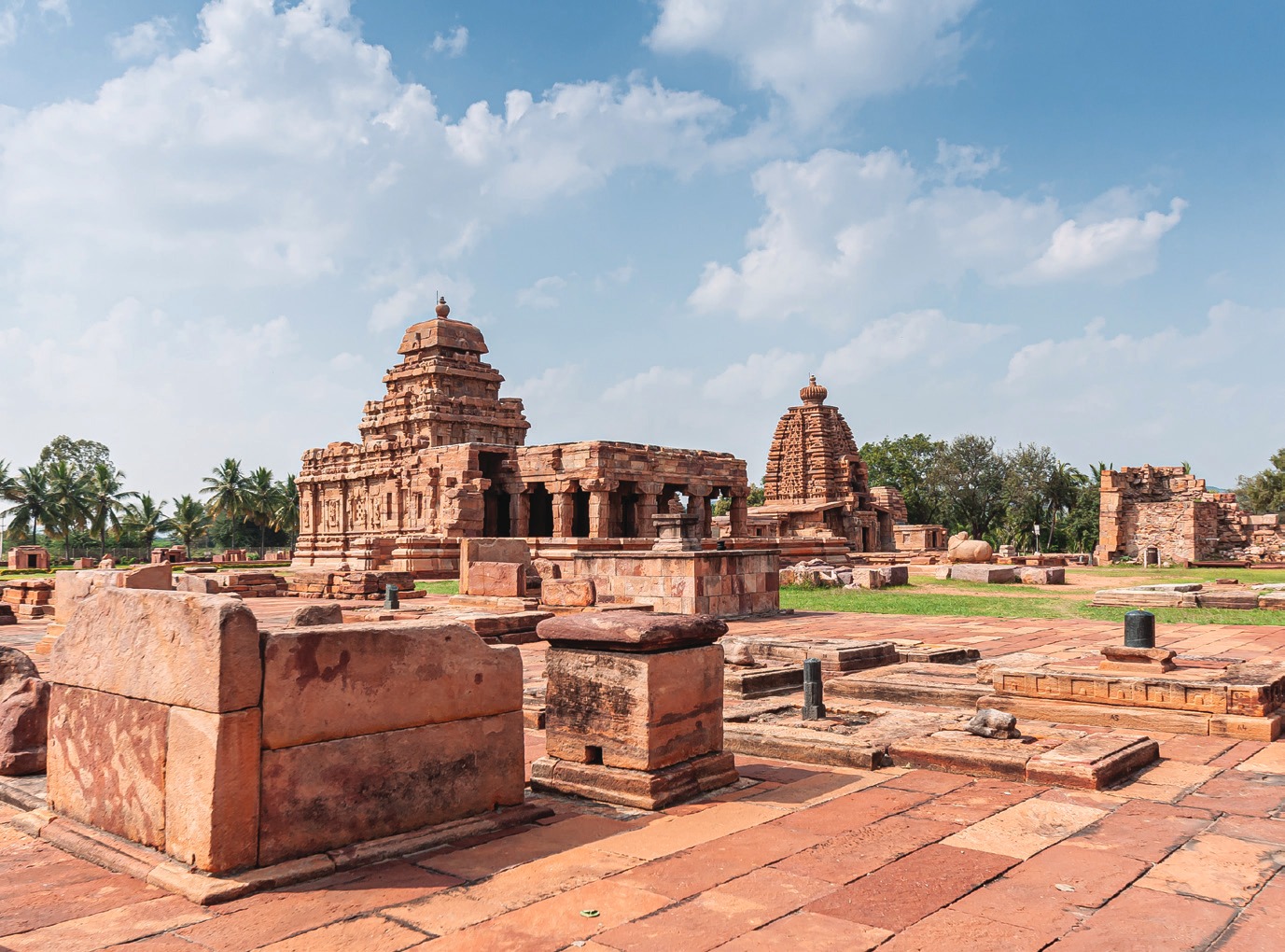
Pattadakal temple complex
Pattadakal
This neglected riverside village, 22 km from Badami, was once the second capital of the Chalukyan empire. Built during the 7th and 8th centuries, its ruins date back to 200-300 AD. Hosting some of the most beautiful temples, Pattadakal is now a World Heritage site and a major attraction for students of Indian temple architecture.
Pattadakal’s pride is the immense Virupaksha temple, with chiselled divinities covering its facade and reliefs depicting episodes from the two treasures of Indian mythology — the Ramayana and Mahabharata. In the courtyard of the temple stands an enormous pavilion hosting a sculpture of the Nandi bull in repose. Next door is the almost identical but worn-out Mallikarjuna temple, notable for its beautiful external statuary. The Papanath temple standing in silent isolation 500 metres away is also worth seeing. Pattadakal is a day’s excursion from Badami. Buses and taxis are easily available.
Aihole
The capital of the Chalukyan empire during 300-500 AD, Aihole (pop.3,140) rivals Pattadakal with its glorious temples. A few historians believe this town was the fons at origo of Chalukyan temple art, and it still hosts the earliest temples and shrines of the dynasty. Indeed with over 125 temples, Aihole is a testimony to the piety of the Chalukya kings, and was a centre of influence in medieval Indian art and architecture. An enclosed structure in the heart of town is the starting point of a temple tour of Aihole. The most impressive is the main Durga temple, with its semicircular apse and detailed carvings that surround a colonnaded passageway leading to the sanctum. The carvings depict scenes from the Ramayana, dancers in poses, and sculpted divinities of great elegance. A small museum located next door exhibits relics and sculptures of the era.
To the south of the Durga Temple are several smaller temple clusters — the Gandar, Ladkhan, Kontigudi and Hucchapaya groups characterised by their sloping roofs. Particularly remarkable is the Huchchimalli temple complex, constructed on an elevated platform. Noted for its carefully sculpted figurines, it illustrates the legends of Hindu gods Garuda, Brahma, Shiva, Vishnu and the celestial nymphs. The temple tank is also guarded by sculpted deities, Brahma, Kartikeya, Vishnu, Gajalaxmi etc.
Further down the road, a mere 100 metres from the Durga temple, is the amazing rock-cut shrine of Ravanaphadi whose interior walls feature a dancing Shiva, and carvings of Varaha, Mahishasurmardini and other slender figures. And to round off the temple tour, walk to the Jain Meguti temple on a low hill top connected with a series of steps.
Most of the temple tour described above can be completed in a day. But for those with more time and inclination, there’s a KSTDC tourist home with budget accommodation. Moreover rudimentary local eateries serve good vegetarian fare.
Accommodation. Mid-range and budget: The Heritage Resort (Rs.3,678 per night), Hotel Badami Court (Rs.3,646), Sterling Banashree Badami (Rs.3,326), Hotel Mayura Chalukya (Rs.1,512), Rajsangan International Hotel (Rs.1,520).










Add comment