






Summer: Season to Prepare Children for seismic change & new habitats
Beyond relaxation and skill-building, the long summer break also provides parents valuable opportunities to prepare children mentally and emotionally for major transitions such as changing schools, moving home and adapting to new environments and habitats
Kiran Balimane & Cynthia John
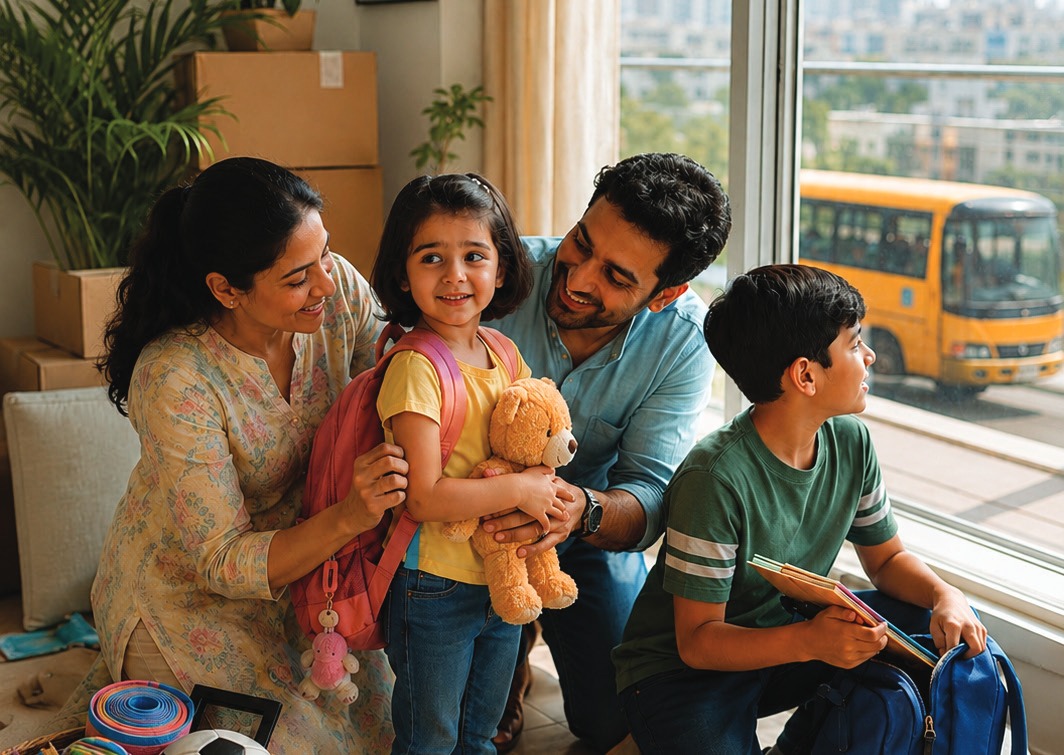 Summer holidays are a time of rest and recuperation for children, to enable them to recharge for the new academic year. It’s also a time when they can leisurely pursue extracurricular interests and talents in music, dance, art, and sports through special summer camps and activity programmes. But beyond relaxation and skill-building, the long break also provides parents valuable opportunities to prepare children mentally and emotionally for change and transition.
Whether it is attending a new school, moving to a higher class, adjusting to unfamiliar teachers and classmates, coping with changing academic expectations, moving to a new house/city, transitions provoke a mix of excitement, anxiety, and uncertainty. Children may not always express these emotions freely, but major transitions profoundly affect their confidence, behaviour and sense of security. Summer holidays provide an ideal interregnum for parents to help children develop emotional resilience, adaptability and confidence before the new academic year begins.
Such preparation and emotional readiness is becoming increasingly important at a time when childhood stress and anxiety are on the rise globally. A 2024 US-based National Survey of Children’s Health (NSCH) reported that 7 percent of children aged 6-11 years experience anxiety. Likewise, according to the World Health Organisation (WHO), one in seven adolescents aged 10-19 years worldwide experiences a mental disorder. In India, a 2022 survey of class VI-XII school students conducted by the National Council for Educational Research & Training (NCERT) found that 11 percent of students experience anxiety, 14 percent extreme emotions, and 43 percent suffer mood swings.
The consensus of opinion among mental health and parenting experts is that when children are emotionally prepared and supported through major transitions such as changing schools, moving home, or adapting to new environments, it significantly eases their anxieties, strengthens self-confidence and nurtures a positive growth mindset. “Change and transition can be emotionally overwhelming for children, especially when they compel unfamiliar environments, routines and expectations. While some children adapt quickly, most experience anxiety, insecurity and fear of the unknown. Summer holidays provide an ideal opportunity for parents to gently prepare children for forthcoming transitions because their minds are relatively relaxed and free from the pressures of schoolwork, examinations and structured schedules. This is a period during which children are receptive to conversations, reassurance and confidence-building activities that help them navigate change more positively,” says Joanna Priyadarshini Udaykumar, a Bengaluru-based adolescent and youth counsellor.
In the pages following, we present expert advice on ways and means parents can prepare youngest children for preschool, help preschoolers transition to ‘big school’, and support children and adolescents to adjust to major life changes such as moving to a new home or geographic location.

Swati Jain
Starting preschool
For a three-year-old child, adjusting to a new environment filled with unfamiliar adults, children, routines and expectations can be overwhelming. “Separation anxiety, clinginess, fear of the unknown and difficulty adjusting to structured routines are common during this transition. This is why it’s important for parents to prepare youngest children gradually and sensitively for preschool by helping them acclimatise slowly to new experiences that will follow,” advises Swati Jain, Director, The Banyan, which runs over 200 preschools and day care centres across India.
According to Jain, prepping a toddler to adjust smoothly in a preschool or day care centre is about “gentle preparation, consistency, and reassurance.” She shares some guidelines:
- Begin with short periods of separation and gradually increase the duration to help children feel secure and comfortable separated from their mother.
- Children do well when they know what to expect. Consistent times waking up, eating, and sleeping every day provide a predictable rhythm that offers comfort and stability. At least 15 days before preschool starts, begin establishing a routine similar to the school’s schedule. That way, by the time they start preschool, it feels natural.
- Create a positive narrative around school, talk about friends, toys, and enjoyable activities to build excitement. You can also role-play “preschool” at home to simulate the environment.
- Encourage independence in small ways such as eating, tidying up, or carrying their bag. A comfort object (like a small toy or family photo) can also help ease youngest children’s anxiety.
- Most important, keep goodbyes short, calm, and reassuring; this builds trust and helps children feel secure.
- With patience and consistency, most toddlers adjust well and begin to enjoy their new preschool environment, friends, teachers and play-cum-learning activities.
 Preschool to primary school
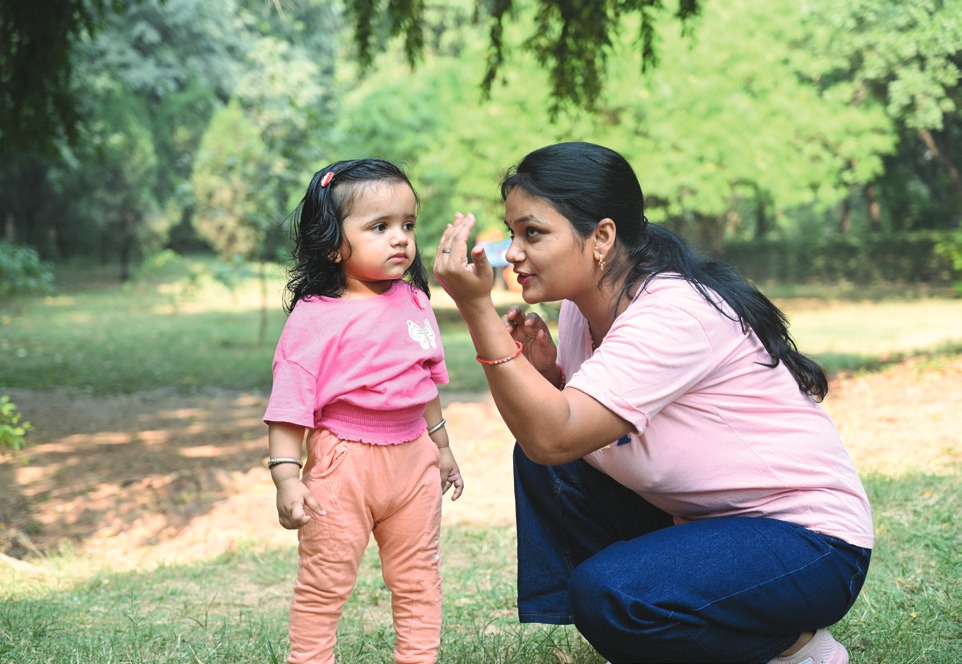
The next big transition for children is moving from a small, close-knit preschool to primary classes. For a young child who has been nurtured by caring, attentive teachers, adjusting to a large composite K-12 school with hundreds, if not thousands, of children is daunting. Unfamiliar teachers, crowded assemblies, noisy corridors and bustling playgrounds can be intimidating and chaotic for a six-year-old child. Preparing children gradually for this transition by familiarising them with larger group settings eases anxieties and builds confidence.
“To help preschoolers transition to a ‘big’ school parents should focus on building confidence, independence, and emotional readiness. The best option is to prepare children through simple, structured experiences that mirror real school life. Encourage them to read independently and play with larger groups of children in the neighbourhood. Familiarising them with the new school environment beforehand and speaking positively about ‘their’ school also greatly helps reduce anxiety,” says Jain.
Jain suggests some simple ways to ready children for the transition from preschool to larger primary-secondaries:
- Children are required to stay for longer hours in primary class, so train them gradually to follow routines, sit through activities for longer periods, and manage school hours away from home.
- Encourage group play activities as they enable children to develop sharing, cooperation, communication and turn-taking skills.
- Nurture greater independence by encouraging children to pack their own school bags, tidy up, eat independently, and manage simple self-care tasks with minimal assistance. Primary school usually expects greater independence than preschool.
- Simulate school experiences at home such as listening to stories, following instructions, or doing short academic activities, to improve children’s attention span and readiness for classroom learning.
- Talk positively about your child’s school, share your own childhood school memories and first-day experiences, and answer children’s questions patiently to reduce anxiety and build excitement about starting school.
- Visit the new school campus before reopening so the child becomes familiar with the classroom, playground, and teachers.
- Encourage children to express their emotions and reassure them that it is normal to be nervous, excited and uncertain about starting a new school.

Rajat Soni
Helping children adjust to relocation
Moving to a new house or a new town/city is cataclysmic for growing children and adolescents. Leaving close friends, familiar surroundings and comfortable routines behind while simultaneously adjusting to a new environment and ecosystem is emotionally challenging. Most children experience anxiety, loneliness, insecurity and a sense of disorientation during such transitions.
According to Delhi-based youth and parenting coach Rajat Soni, and author of Unjudge Your Teenager (2020), parents should take the lead and provide children “reassurance, emotional support and stability” during transitional phases. “Summer holidays are the time when families choose to move homes or locations so that children’s academic continuity is not disrupted and a new academic year begins. This period should be used to emotionally prepare children to positively adapt to change, develop resilience and embrace new experiences with confidence. Parents should start open conversations about the new location, acknowledge children’s fears and anxieties, and involve them in the transition process as far as possible,” says Soni.
Soni suggests some ways parents can prep children and adolescents to adjust to relocation to a new town/city.
Acknowledge anxiety associated with the transition. For a child, relocation isn’t just about physical migration, it’s about leaving behind shared memories, friendships and a sense of belonging that cannot be instantly recreated. This generates irritability, melancholy and often quiet withdrawal within children. Instead of trying to allay these sentiments, acknowledge them. Let them miss what they’ve lost, create a space in the new house to display photos/memories of the previous habitat.
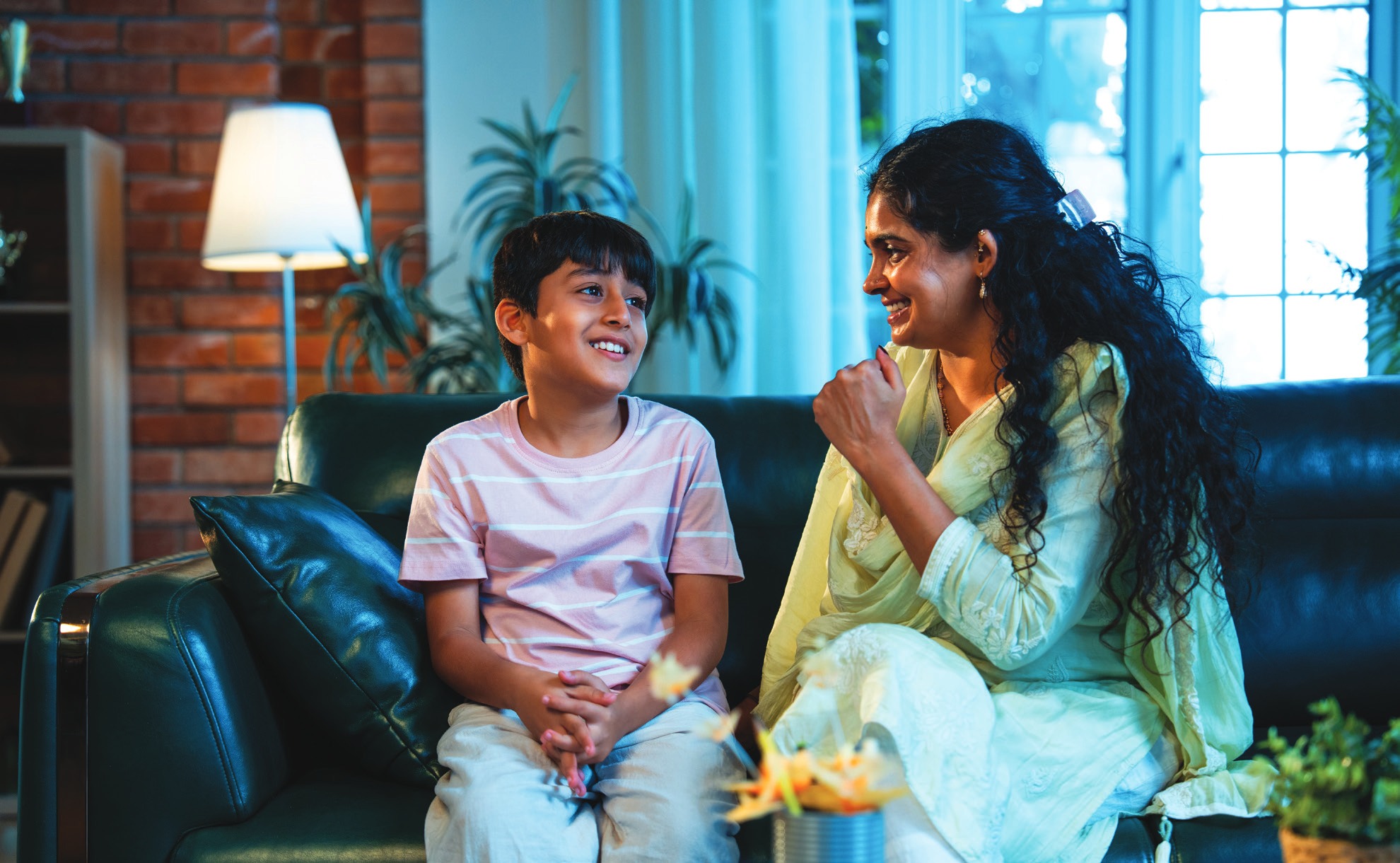 Give children time to settle in. For children and teenagers, adjusting to a new city or school is not simply about meeting new people — it is about rebuilding friendships. Even in friendly environments, new friendships take time to develop and they don’t feel as deep or comforting as old bonds built over years. This emotional gap makes children experience loneliness and withdrawal. Instead of dismissing these sentiments with “you’ll make new friends soon”, acknowledge that meaningful friendships take time to develop. Encourage patience, create opportunities for social interaction — such as enrolling them in a new sport or hobby class — and help children remain connected with old friends through calls and messages as they gradually settle into their new environment.
Listen more, advise less. As children struggle to find their bearings in a new habitat, family — parents and siblings — become their emotional anchors, providing a sense of belonging, stability and safety. Parents should use this opportunity to improve family bonding by listening more and advising less. Make time for daily family conversations to understand children’s anxieties, validate their emotions and provide unconditional reassurance and support as they navigate this challenging transition phase.
Don’t pressurise children to “fit in”. Because everything seems fine in a new school or environment, there is unspoken pressure on children to adjust quickly. This pressure can cause them to suppress sentiments of separation anxiety, confusion and emotional insecurity. Accept that adjusting to change is difficult for children and don’t expect them to “fit in” immediately. When children are given time and space to adjust, they are able to process their emotions and cope with change at their own pace.
Be emotionally available without dismissing or belittling their sentiments and apprehensions. Spend time together doing simple activities such as taking walks to explore the neighbourhood, visiting nearby places or maintaining familiar family routines. Be consistent. Remain present. That’s the best way to help children feel secure as they navigate institution and habitat changes and transitions.

Dr. Tarun Singh
Managing parental stress
While parents focus on preparing children for life-shaping changes, they also need to prepare themselves emotionally and mentally. Major transitions such as moving homes and habitats, changing schools, can double the stress of parents, obliged to simultaneously cope with their own new habitat anxieties while supporting the children through an adjustment process.
While the physical obligations of parenting — feeding, bathing, transporting and supervising children are visible and tangible, the mental stress of caregiving is invisible, continuous and often emotionally exhausting. Parenting mandates constant planning, anticipating problems, remembering schedules, organising routines, and worrying about children’s mental and psychological well-being. In essence, parents are discharging executive functions of caregiving round the clock. This often manifests as impatience, forgetfulness and difficulty maintaining calm. A 2021 study published in the journal Family Relations found that parents experiencing high cognitive burden reported elevated stress levels, poor sleep quality and lower overall well-being.
 Dr. Tarun Singh, paediatrician & early childhood specialist at Kalpavriksh Healthcare, New Delhi, accords high priority to parental wellbeing and self-care. “Children absorb and mirror the emotional environment around them. Therefore, calm and emotionally well-balanced parents are better equipped to help children navigate changed circumstances positively,” says Singh.
Dr. Singh suggests some ways parents can practise self-care, ease mental stress and seek support during periods of transition:
Explicit task sharing. Assign/redistribute not just physical tasks but the ‘thinking’ behind them — who tracks immunisations, who manages school communications — equitably between parents. This significantly reduces mental stress.
Digital support. Digital calendars and shared family apps ease memory demands and streamline planning and scheduling. Children can also be actively involved in using them.
Mental health support. Parenting support groups, counselling and stress-management interventions have been shown to ease parental burnout and emotional fatigue. Parents should also seek emotional support from friends, relatives and extended family members to reduce caregiving pressure and avoid feeling isolated during periods of transition.
Self-compassion and rest. Recognise personal limitations, accept help when offered, and prioritise rest — these are not luxuries but necessities for sustainable caregiving. Many parents neglect their own physical and emotional well-being while focusing entirely on their children’s needs. Don’t place your own needs last. Emotionally healthy parents are the foundation of emotionally secure and resilient children.











Add comment