





In an age where environmental sustainability has become an urgent global priority, schools play a pivotal role in shaping responsible, eco-conscious citizens. The Emerald Heights International School, stands as a shining example of how educational institutions can integrate sustainability into their core ethos. With a forward-thinking approach and a deep commitment to environmental stewardship, the school has implemented a comprehensive range of practices that not only conserve natural resources but also instill lifelong values of responsibility and care for the planet among students.
Spread across a lush 100-acre campus, with over 80 percent covered in greenery, the school has transformed its environment into a living laboratory for sustainability. Its initiatives span energy conservation, water management, waste reduction, and environmental awareness—creating a holistic ecosystem that reflects its vision of sustainable development.
Energy Management: Harnessing Clean and Efficient Power
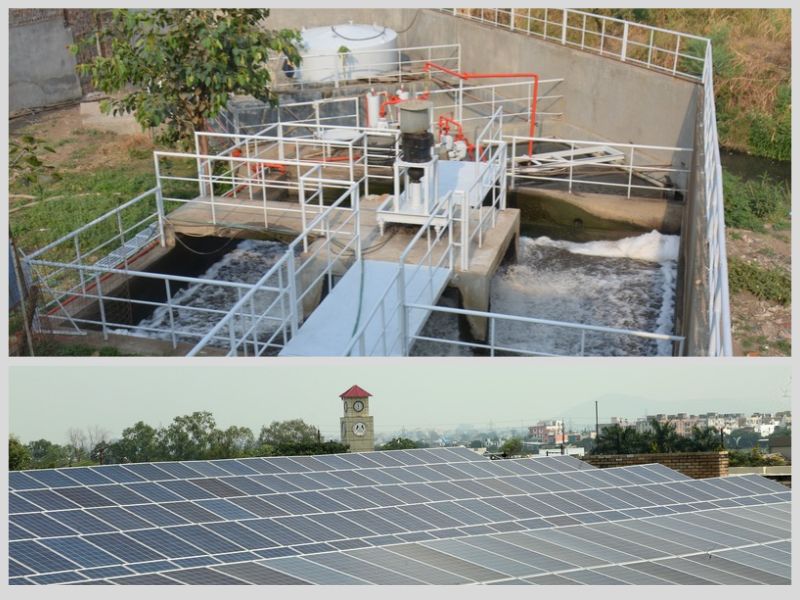
Energy conservation forms a cornerstone of the school’s environmental strategy. A significant portion—approximately 20 to 25 percent—of the school’s annual energy consumption is met through solar power, supported by an installed capacity of 260 kW. This transition to renewable energy has substantially reduced dependence on conventional power sources and prevented the emission of over 163,000 kilograms of carbon dioxide into the atmosphere.
Complementing this are solar-powered water heaters, which significantly cut down electricity usage. The school has also replaced conventional high-power lamps with energy-efficient LED lighting and installed low-wattage fans, all of which are at least BEE 3-star rated. Smart energy management at the main electrical panel, including the use of power factor correction systems, further optimizes electricity consumption and enhances efficiency.
Architectural design also plays a crucial role. Buildings are thoughtfully constructed to maximize natural light and ventilation, reducing the need for artificial lighting and air circulation during the day. Open courtyards and green planters integrated into the infrastructure not only enhance aesthetics but also contribute to a cooler, more energy-efficient environment.
Integrated Water Management: A Model of Self-Sufficiency
Water conservation is another area where the school has demonstrated remarkable innovation. A few years ago, the campus relied heavily on external water sources, requiring hundreds of tankers daily. Recognizing the unsustainability of this approach, the school adopted a robust integrated water management system that now meets its entire water requirement internally.
Rainwater harvesting forms the backbone of this system. With over 200 recharge pits across the campus, nearly 100 percent of rainwater runoff is captured and directed into tube wells, replenishing groundwater levels. This not only ensures year-round water availability but also benefits the surrounding ecosystem.
Equally impressive is the school’s Sewage Treatment Plant (STP), which recycles approximately 1,20,000 litres of wastewater daily. This treated water is reused for irrigation, meeting over 90 to 95 percent of the water needs of the school’s expansive grounds and gardens.
Efficient irrigation practices, such as the use of sprinklers, further minimize water wastage, making the entire system a model of sustainable water management.
Waste Management: Turning Waste into Resource
The school adopts a proactive approach to waste management by promoting the principles of reduce, reuse, and recycle.
Efforts to reduce paper consumption are supported by the implementation of a comprehensive ERP system and mobile applications for parents and staff. These digital platforms streamline communication, attendance, assessments, and administrative processes, significantly minimizing the need for paper. Additionally, students and staff are encouraged to reuse paper wherever possible, reinforcing the culture of conservation.
Green Initiatives and Environmental Awareness
Environmental consciousness at Emerald Heights extends beyond infrastructure to active student participation. Plantation drives are a regular feature, both within and outside the campus. These initiatives are often integrated into major events such as Round Square conferences and Model United Nations, encouraging participation from students across the globe. Tree plantation activities have also been conducted in nearby villages, hospitals, and government schools, fostering a sense of collective responsibility.
Students also participate in plantation drives organized by other institutions, further strengthening their commitment to sustainability.
Educational initiatives play a crucial role in sensitizing students. Workshops and seminars on topics such as environmental sustainability, mental health, and female hygiene are regularly conducted.
Student-Led Sustainability Initiatives
One of the most inspiring aspects of the school’s environmental program is the active involvement of students. From creating eco-friendly Ganesh idols and diyas to making notebooks from leftover pages and organizing donation drives, students consistently demonstrate creativity and commitment to sustainability. Initiatives like the “Joyful Bag Drive,” where school bags are donated to underprivileged children, combine environmental responsibility with social impact.
The school also promotes the use of biodegradable materials such as paper and cloth bags, while minimizing the use of plastic. Unique initiatives like hosting performances by the Greenheart Band, which uses solar-powered instruments, further reinforce the message of renewable energy and sustainability.
Recognition and Impact
The school’s exemplary efforts have earned national recognition. It was awarded the First Runner-Up for the Exemplary Performance Award under the ‘Existing Day School’ category at the 14th GRIHA Summit in New Delhi. This prestigious accolade acknowledges the school’s comprehensive approach to sustainability, encompassing energy efficiency, water conservation, waste management, and overall environmental well-being.












Add comment