






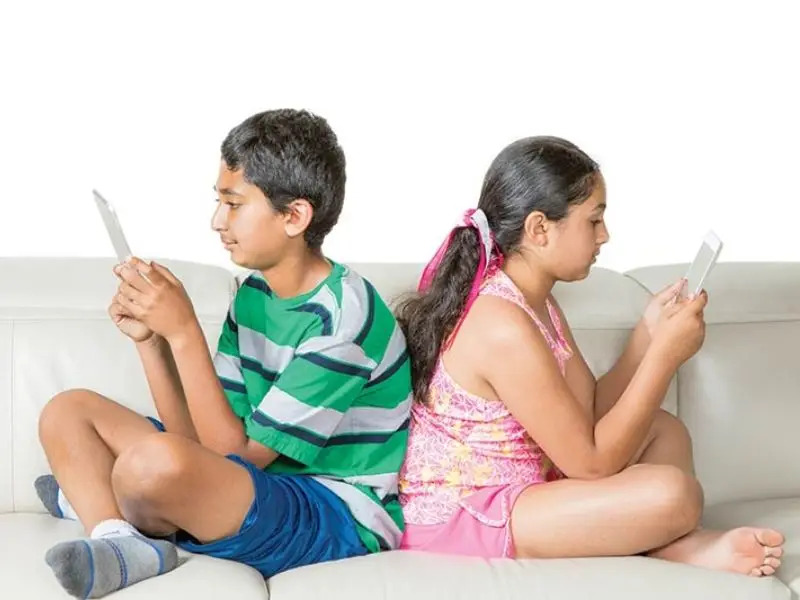
Teen screen time during board exams worries 89% of Indian parents: New data
With board examinations currently underway across the country, anonymised data from the recently launched Child Online Protection (COP) app reveals rising parental anxiety about children’s digital habits. According to the findings, 89% of Indian parents are concerned about excessive screen time during exam season, citing its adverse impact on concentration, sleep patterns and overall well-being.
The concern spans metros including Mumbai, Delhi, Bengaluru, Chennai, Hyderabad, Pune, Kolkata and Ahmedabad, as well as Tier-2 cities such as Jaipur and Lucknow. The data suggests that exam-related digital stress has become a nationwide phenomenon rather than being confined to urban pockets.
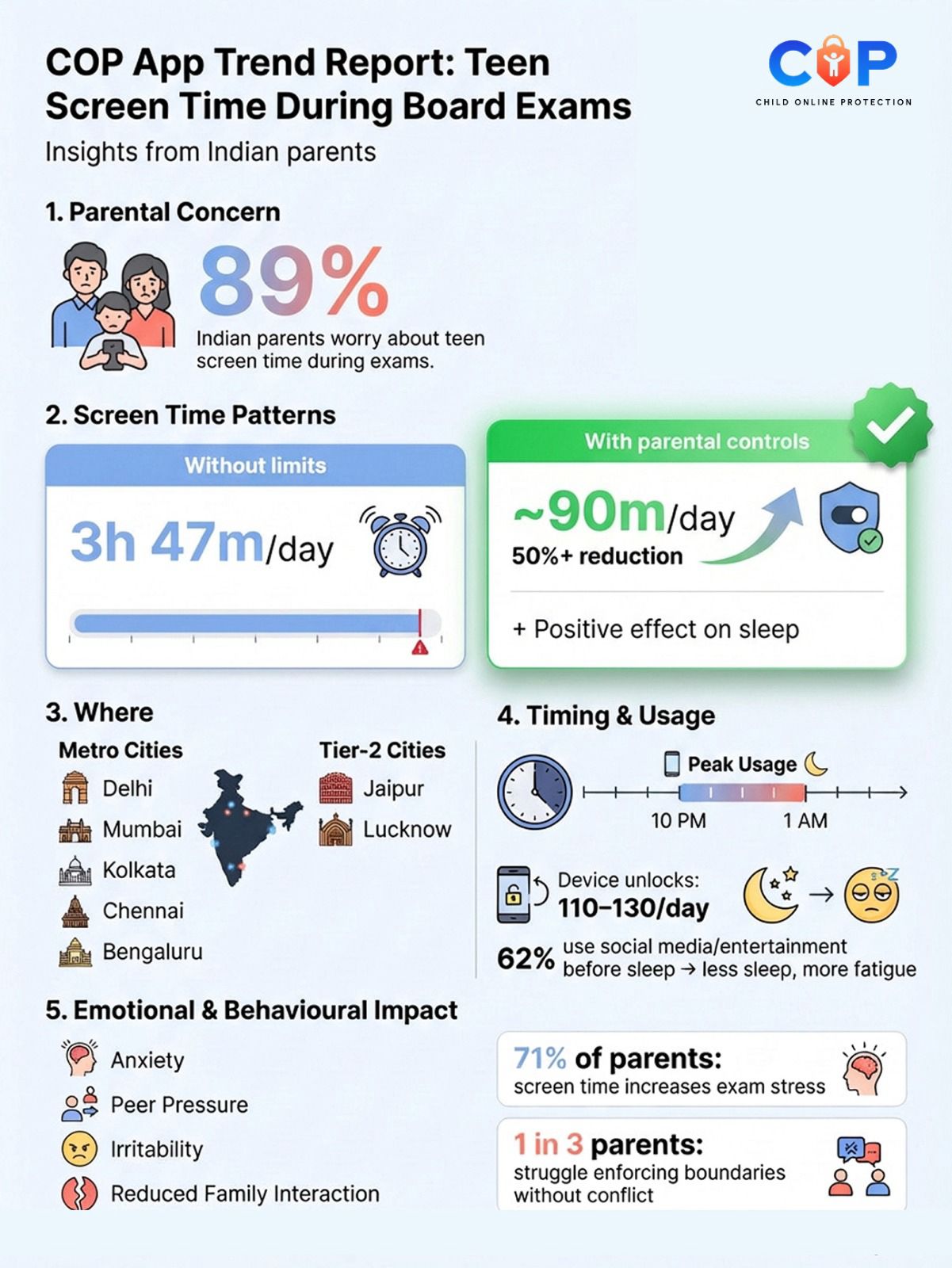
Usage patterns during board exam months reveal a stark contrast between households with digital rules and those without. Children in homes that do not enforce screen-time limits spend an average of three hours and 47 minutes daily on devices. In contrast, families using parental controls and structured digital boundaries report screen time dropping by over 50%, to around 90 minutes per day. The findings indicate that guided digital discipline, rather than outright bans, plays a crucial role during high-pressure academic periods.
Sandeep Kumar, founder of the COP app, said, “Board exams represent a particularly sensitive phase for both students and parents. While digital tools remain essential for learning, unmanaged screen exposure can significantly affect concentration and emotional well-being. Parents today are not seeking digital bans, but rather balanced and structured systems that help children perform better while preserving trust at home”.
Despite exam pressures, more than 68% of total screen time is spent on non-academic platforms. Apps such as YouTube, WhatsApp, Instagram, TikTok and Facebook account for a significant share of teenage usage, highlighting the challenge of balancing digital learning with online distractions.
Late-night usage has emerged as another key issue. Screen activity peaks between 10 pm and 1 am during exam periods, with device unlocks averaging 110 to 130 times per day. Nearly 62% of monitored teens access entertainment or social media apps within 30 minutes before sleep, contributing to reduced rest and fatigue. Parents have also reported behavioural concerns, including heightened anxiety linked to social media comparisons, peer pressure from constant group chats, irritability due to late-night gaming and reduced family interaction.
The data further shows that 71% of parents believe excessive phone usage increases exam-related stress rather than easing it, while one in three parents struggles to enforce digital boundaries without conflict. In addition to screen exposure, geo-fencing alerts are among the most frequently triggered notifications on the COP platform, indicating heightened parental monitoring of children’s movement during coaching classes and late study hours.
With its India launch, the COP app aims to support families by offering tools to track screen time, monitor app activity, set usage limits and receive geo-fencing alerts. The platform positions itself as a solution for building healthier digital habits during critical academic phases while maintaining transparency and trust between parents and children.
Also Read: Karnataka: Private schools hike fees by 15%, cite ongoing war as a reason










Add comment