





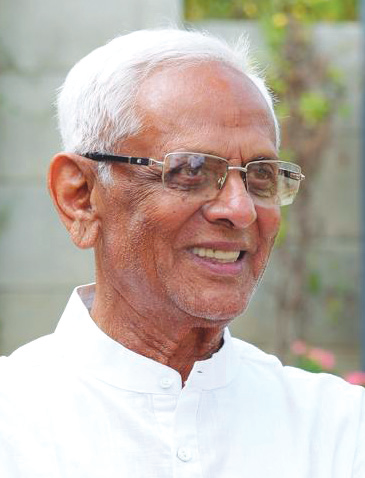
H.S. NAGARAJA
Aadhar, the world’s largest biometric identification system, the CoWIN platform for digital appointment and disbursal of the Covid vaccine, and the Atmanirbhar Bharat Initiative in defence equipment production, are striking examples of India’s potential to be self-reliant while achieving global standards.
India is poised to become the world’s third-largest economic superpower and a global innovation hub — a force to reckon with. Drawing strength and inspiration from the past successes of the IT industry (through NASSCOM) and ISRO, the Make in India and digital revolutions have demonstrated how appropriate ecosystems transform visions into reality. Likewise, the education ecosystem needs a decisive push — not incremental reform, but a transformative disruptive model that prepares the country for the demands of the 21st century.
In this connection, Special Purpose Education Zones (SPEZs) could become the next frontier in India’s education landscape.
Despite outstanding progress in some sectors, education, which is the substratum on which everything else is built, has not kept pace with global standards and the evolving needs of the Indian economy. Over the past four decades, India has been losing talent, innovation potential and associated monetary losses because of the exodus of a large number of students fleeing abroad for quality higher education and job opportunities. In the year 2023, 7.65 lakh students left India, with projected economic outflow aggregating US$70 billion (Rs.6.72 lakh crore). The major reason behind this migration is insufficient exposure to industry environments, research ecosystems and abundant job opportunities that students find abroad.
SPEZs are envisioned as hubs of educational excellence that encourage students to look inward. These dedicated education hubs will span 10,000-15,000 acres, each built under the Public-Private Partnership (PPP) model, featuring world-class infrastructure. They will house clustered institutions across all levels and streams — from schools to universities for undergraduate and postgraduate programs and specialised support institutions — to achieve standards that do not exist today. These hubs will also include advanced research centres integrated with industry, sports complexes, residential service apartments, restaurants, commercial consumer facilities, entertainment spaces and start-ups, providing students with real-world experience, career readiness and employment opportunities — effectively creating complete education townships. Designed as green, futuristic cities, these zones will incorporate buffers for future expansion and development. Establishing 100-plus such education hubs across India can revolutionise the education landscape of the country and enable India to reclaim its place as a global hub of knowledge and innovation.
To attract investment, tax exemptions can be offered to private partners. The establishment of a dedicated governing body, on the lines of NASSCOM, named INDEED — Indian National Directorate for Education and Economic Development — will regulate and oversee the educational hubs to ensure quality, accountability and implementation of best-in-class practices.
The stakes are high. Even if 75 percent of the annual outflow of $70 billion is retained within the country, India could save over $50 billion (Rs.4.80 lakh crore) per year — a massive amount towards funding domestic education and research development. The multiplier effect through infrastructure creation, employment generation, and industry collaboration can bolster India’s economy, flipping the coin from brain drain to brain gain.
Within the proposed SPEZs students above age 18 will have opportunities to work and acquire professional exposure and practical competence. Free education upto class X, merit-based scholarships, and incentives for students from friendly, neighbouring Asian countries will further position education as a driver of social mobility.
Operating on PPP principles, SPEZs will offer transparent revenue-sharing between government and private partners. They will allow government to create an income stream without budgetary allocation, enabling revenue to be channelled toward scholarships, research grants, and further education development. The revenue generated by the government can continue to advance its ongoing commitment to social justice through reservations and scholarships. Please note this model does not require a penny of the taxpayers’ money but can enable huge best-in-class competency-building centres at no cost to government.
Invitation to the best foreign and Indian institutions will enable India to leap to levels beyond global standards. By hosting these institutions within SPEZs, India can avoid the typical delays and challenges of independent setup — such as land acquisition and regulatory bottlenecks — thereby accelerating progress through collective effort.
I have been nurturing this idea for nearly a decade and have shared it with relevant stakeholders in the past. I am committed to seeing no stone unturned to ensure its execution for the advancement of education and the progress of our nation. However, this concept note shared here outlines key specifics and will require further elaboration.
SPEZs are envisioned as hubs of education excellence. They will span 10,000-15,000 acres each built under the PPP model featuring world-class infrastructure










Add comment