






United Kingdom: Private schools tax fallout
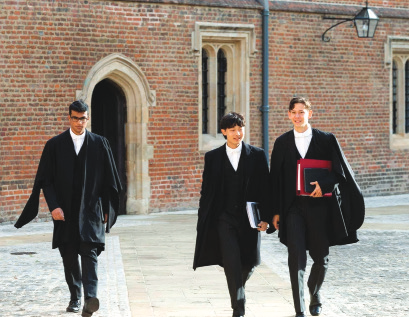
Independent school students: hard times
More than 500 children attend St. Joseph’s College, a private school in Reading that prides itself on providing the “best value” education in its area. In mid-May, it announced that unless it can find a big cash injection, it will close in July. The school has blamed years of rising costs — worsened by the Labour government’s decision to make private schools start paying full business rates and to levy value-added tax on their fees.
Eighteen months on from Labour’s reforms, many private schools are finding things hard. Government data released on June 4 shows pupil numbers in mainstream independent schools in England are down by 5 percent (about 27,000) this year. That follows a 2.8 percent fall in 2024-25, the first year after the Labour party came to power. The declines have come mainly from fewer children joining private schools, rather than from an exodus of existing pupils. They have been most pronounced outside London — perhaps because it is in poorer regions that parents have been stretching furthest to pay for private schooling.
Exactly how far these declines have been driven by Labour’s policies is open to question. Some of it is doubtless because the total number of school-age children in Britain is dropping (by around 1.2 percent in England last year). And well before Labour arrived in government, rising living costs were forcing many parents to think hard about their outgoings. But even taking that into account, it seems the reforms are having a greater impact on enrolment than was predicted. Back in 2024, the government forecast that imposing VAT would leave the sector with 6 percent fewer pupils by the 2030s, compared with what would otherwise have happened. It may drive more shrinkage than that.
A hot debate is whether these declines have begun pushing a lot of schools into bankruptcy. The government insists not: in fact, it says more independent schools have opened than closed since its VAT policy was enacted. That is true, but misleading. The new openings are mostly of small “special” schools serving children with disabilities, for which there is booming demand. Fees for pupils in these institutions are largely paid by local authorities (which can claim back the VAT).
Yet one recent change is very striking. The average size of the schools that go under seems to be jumping up. It has long been tiny schools, with as few as 50 pupils, that most often fail. But since January 2025, at least a dozen schools with more than 200 pupils have closed or announced that they are likely to do so — about as many as in the eight years that came before. And private schools are leaving bigger holes in local communities when they go.
Do any of these trends imply that whacking private schools with VAT will not after all raise much money for government ones (Labour’s stated motivation for the policy)? Even in the best case, taxing private schools will raise sums amounting to only about 2 percent of what the government is already spending on state schools each year.
For people who see independent schools as poisonous purveyors of privilege, this is a detail; shrinking the sector is the point. For everyone else, it looks like the government is causing a lot of hassle and heartache for a piddling sum.








Add comment