






EW India School Rankings 2026-27
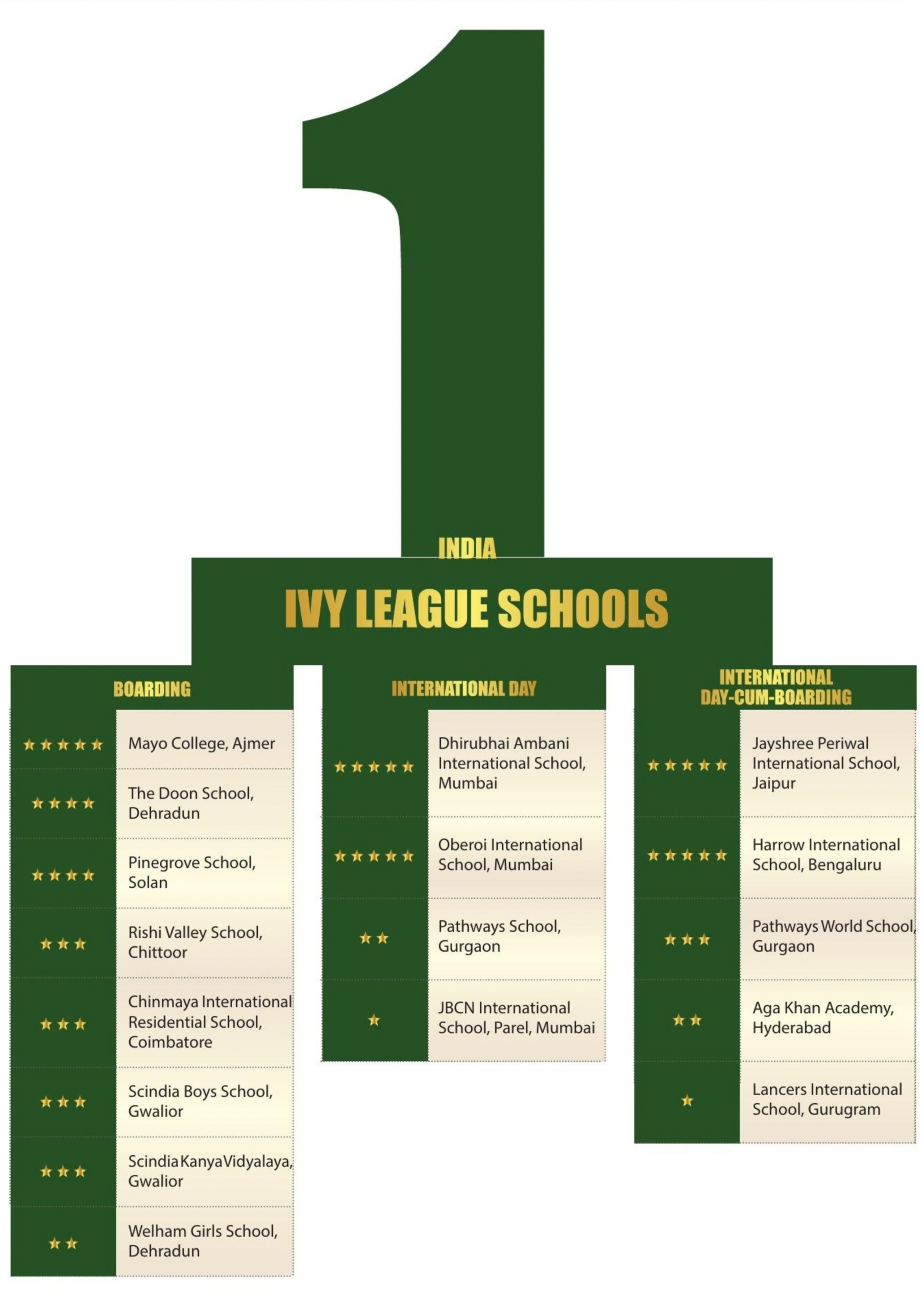
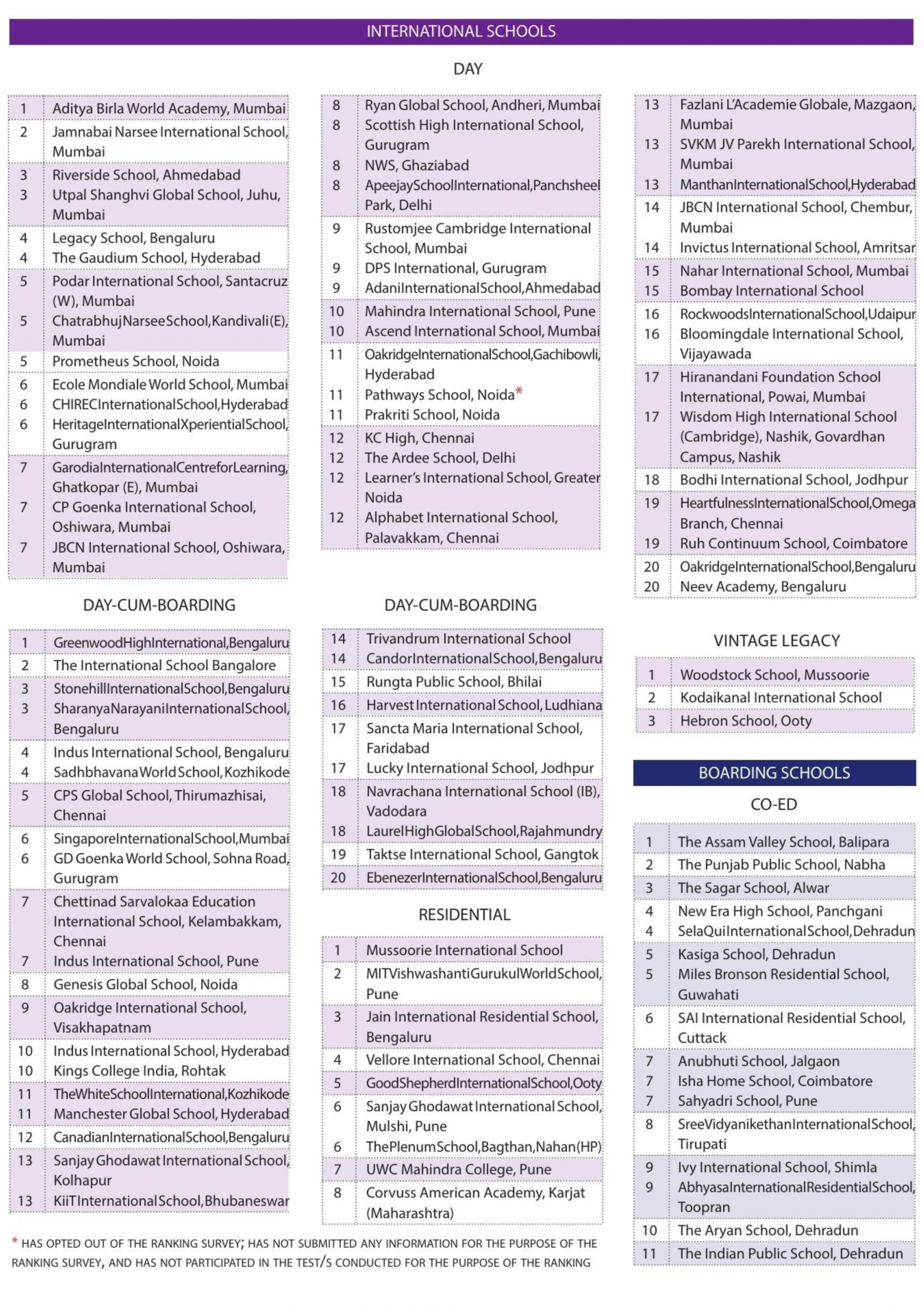
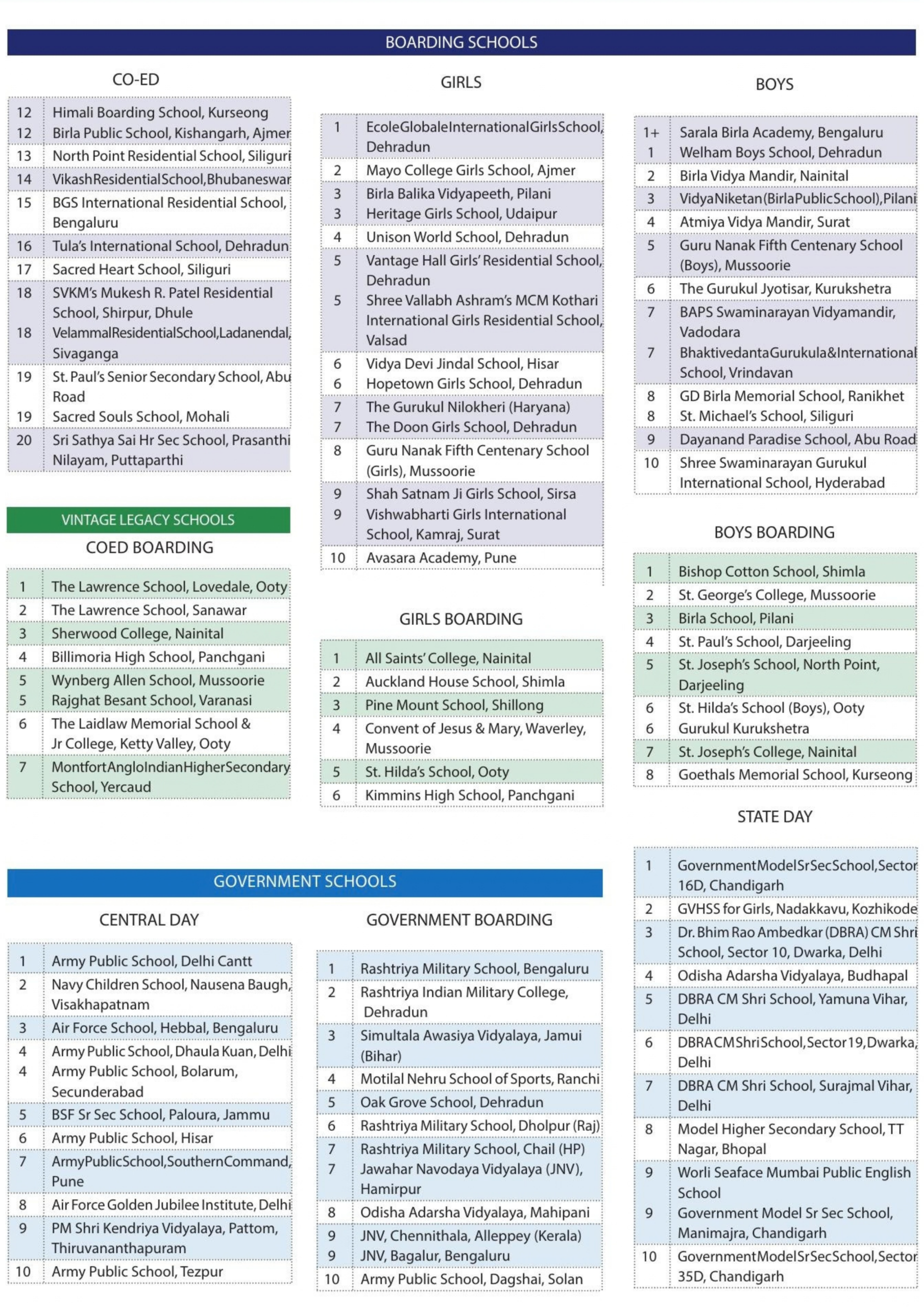
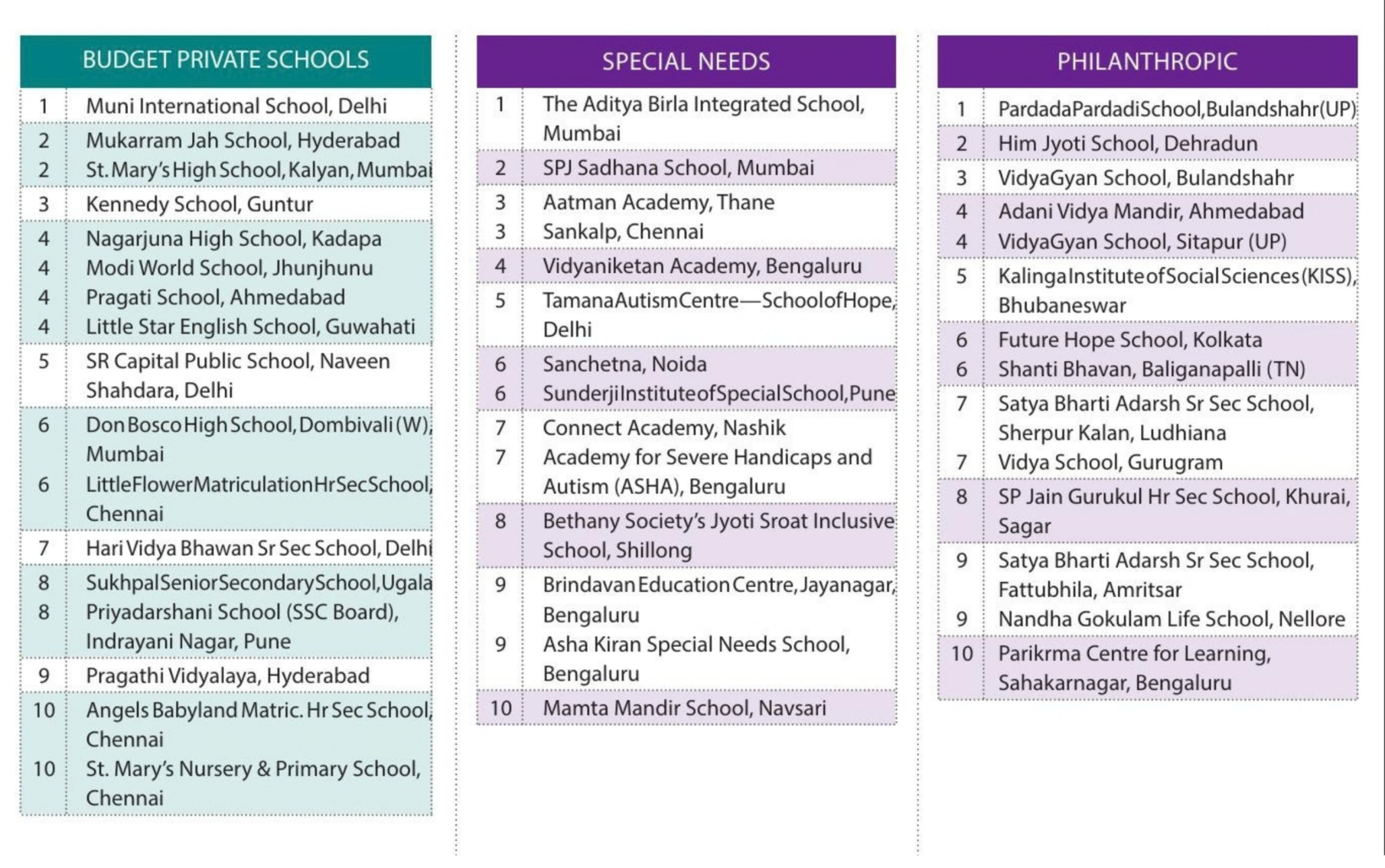
In Part I of this year’s EWISR, we present Ivy League Boarding and International Schools national tables, detailed national, state and parameter league tables of boarding schools (co-ed, boys and girls), international (day, day-cum-boarding and wholly residential), vintage legacy (boarding and international), government, special needs, philanthropy and budget private schools
– Dilip Thakore & Summiya Yasmeen
The spectacular rise of the Cockroach Janata Party (CJP) which within two milestone weeks in July notched up a following of over 22 million on Instagram and other social media platforms, and forced the resignation of high-riding Dharmendra Pradhan, Union minister of education, on July 25, has moved the issue of poor-quality education negligently dispensed to the world’s largest child and youth population, substantially higher on the national development agenda. But legislation to tighten the public examinations system and prescribe stringent punishment for exams administration cheats is merely a bandage on the huge wound that successive governments at the Centre and in the states have inflicted on India’s children. While Baby Boomers, Gen Next, Gen X and Millennials suffered this deepening wound without much complaint, the significance of the CJP and Gen Z is that it has vigorously protested the failure of post-independence India’s establishment — especially the neta-babu brotherhood — to dress and heal this wound.
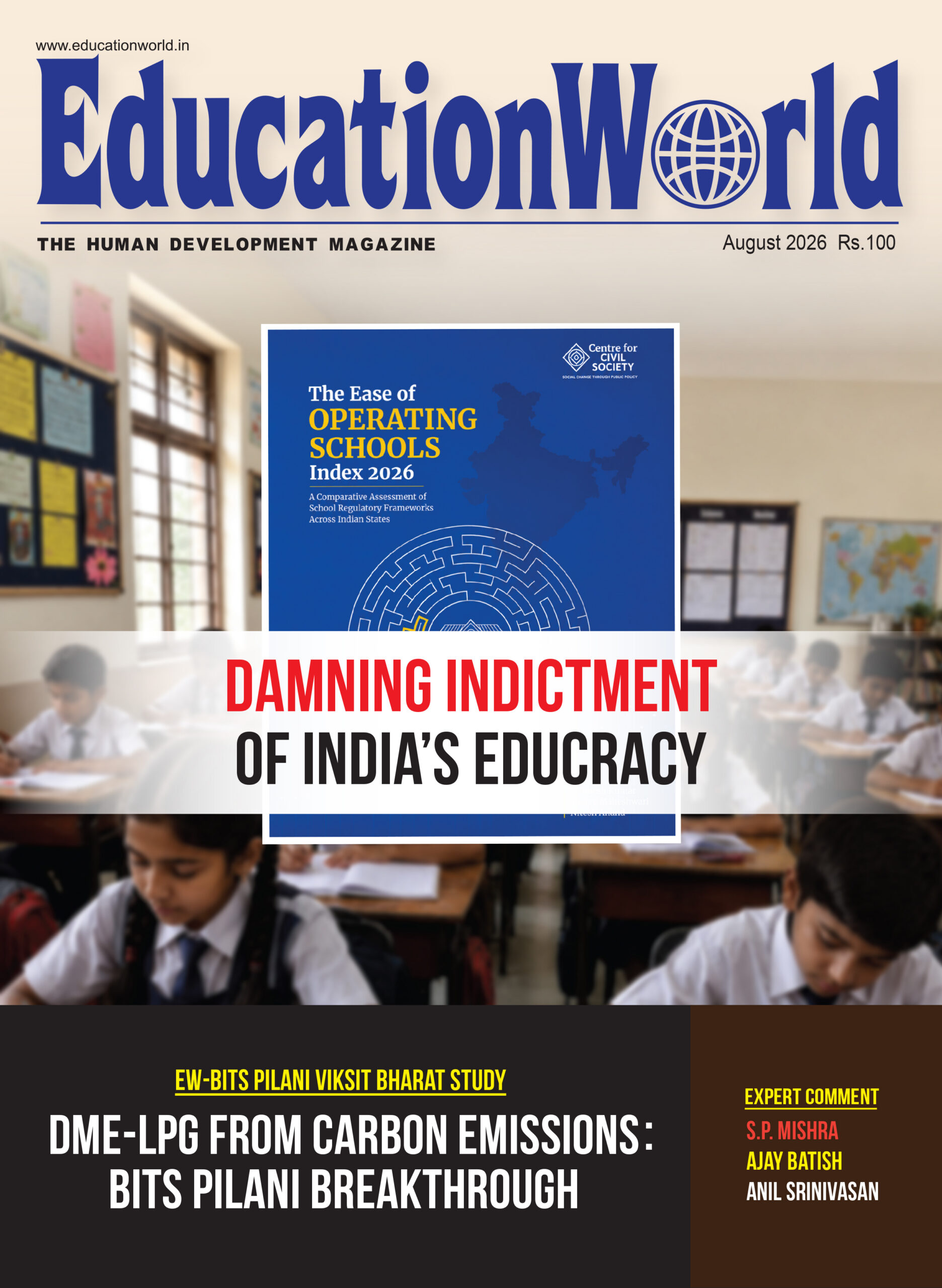
Although CJP and Gen Z have finally protested the rotten education system, it is not entirely blameless. For 26 years, EducationWorld — The Human Development Magazine (estb.1999) has been advocating top priority for human capital development — equipping 1.10 million ramshackle government schools with enabling infrastructure; according high importance to early childhood education; teacher training; addressing chronic teacher absenteeism; improving children’s learning outcomes and increasing annual outlay (Centre plus states) for education to 6 percent of GDP as recommended by the Kothari Commission in 1967 — even providing a calculus/schema to attain this objective — without much success. Neither the Congress-led UPA government at the Centre (2004-14), the incumbent BJP-led NDA government thereafter; the establishment; parents or students paid much attention.
Nevertheless, through sheer persistence, your editors have been successful in moving the needle of public policy in the cause of ECCE (early childhood care and education); greater emphasis on skilling; greater academy-industry alignment, and policy liberalisation for foreign universities entering India. But implementation progress on all these issues has been slow. To its credit Gen Z, unlike its predecessor lotus-eating generations, has been quick to foresee the bleak future that awaits them if the entire education system from preschool to Ph D is not overhauled starting now. Hence the national turmoil.
Meanwhile even as plans for a major, in-depth lead feature on the Cockroach Janata Party and its future are being drawn up, your editors are obliged to stick to our calendar and feature the EducationWorld India School Rankings (EWISR) published annually in the months of September-October since 2007. During this period although several pretender media publications and commercial enterprises have jumped onto the school’s ranking bandwagon, the annual EWISR has matured and evolved into the world’s largest and most comprehensive schools ranking survey, ranking India’s best 4,500 primary-secondaries in three major categories — Day, Boarding and International — and in 29 sub-categories under them. We have learned from experience this fine gradation is necessary to eliminate apples and oranges-type comparisons and provide a level playing field to all evaluated schools.

Mishra: water-tight evaluation system
The objective of the annual EWISR is to encourage the managements of India’s best primary-secondaries to strive for continuous improved learning outcomes on a par with the world’s best. Although critics may cavil that EWISR, which evaluates a mere 4,500 schools out of a universe of 1.4 million, may seem to contradict our claim that the annual EWISR is the world’s largest schools ranking survey, it should be borne in mind that only a small minority of schools have a regional — let alone national — profile. But our USP (unique sales proposition) our survey is that it not only ranks India’s best schools in three major and 29 sub-categories, it also ranks them in their states and 528 towns and cities under 15 granular parameters of education excellence (teacher competence, teacher welfare and development, leadership, sports education, infrastructure etc — attention to detail that is unmatched globally). The second objective is that parents should have detailed information prior to selecting the most suitable school for their children. A third objective is that India’s best should serve as role models for over 1 million schools not included in the EWISR league tables.
In light of heavy responsibility to ensure that EWISR 2026-27 schools are ranked objectively without fear or favour, the task of ascertaining informed public opinion to rate and rank India’s best schools has been entrusted to our trusted ally AZ Research Partners Pvt. Ltd, a Bangalore-based professional market research agency with over a quarter century experience (estb.2002) of quantitative and qualitative market research. To evaluate schools in three major categories and 29 sub-categories under them and rate them under 12-15 granular parameters of primary-secondary excellence, starting in early May, AZ Research Partners constituted a national database of 18,000 sample respondents comprising 10,235 parents of in-school children and 7,642 knowledgeable principals, teachers and education counsellors.
“For this exercise, we used a fully structured questionnaire and responses have been entered using an online link. To conduct interviews with sample respondents, we gave them the option of face-to-face, telephonic and online link, and to control unfair push by any school or its support system only one response has been accepted per selected respondent. Any response suspected of trying to influence results in favour of any school has been rejected. Learning continuously from experience, I believe we have developed a water-tight evaluation system for assessing schools in all major categories and sub-categories,” says Shubra Mishra, Founding-Director of AZ Research Partners. An alumna of IIM-Lucknow with a decade’s experience with pioneer market research companies (MARG, MARG-ORG) and in the corporate sector (Titan, Tata Tea and Blackstone Synovate), Mishra went solo in 2002 with the promotion of AZ Research Partners.
Moreover, to add an element of objectivity in EWISR, we have introduced the Global Young Scholar (GYS) Test in partnership with the US-based AccessUSA, co-founded by Raymond Ravaglia, former Dean and Director of Stanford University Pre-Collegiate Studies. Through April-August, schools were invited to nominate students to write the GYS test to assess their reasoning, skills and insights.
Although EducationWorld pioneered arguably the world’s first comprehensive (i.e, multi-parameters) ranking in 2007, over the years several pretender publications with minimal domain knowledge and events management companies have jumped on the school’s ranking bandwagon. By publishing slapdash rankings driven mainly by quid pro quo considerations, they have aroused considerable skepticism about school and higher education institutional rankings. Inevitably, the annual EWISR is often tarred with the same brush, prompting cynics questioning whether this elaborate annual exercise serves any useful purpose.

Sinha: morale booster
However, Saurav Sinha, Principal of the invariably top-ranked all-boys boarding school Mayo College, Ajmer (estb.1875) believes that over the past two decades since the annual EWISR was launched upon a complacent society, it has built a good reputation by including usually excluded budget private and government schools in its rankings survey.
“Without intending to flatter or curry favour, I confess that of some 25 publications and event management companies that offer to confer high rank and awards to Mayo College, the annual EWISR is the sole institutional rankings survey that the Mayo College management and Board of Trustees values. That’s because EW was the originator of these deeply ideated and evolving ranking league tables. Moreover, EWISR is inclusive, ranking under-resourced budget private and also the best government schools. While for well-established institutions such as Mayo College high rank is fairly routine by now, recognition and endorsement from EducationWorld is a tremendous morale booster and inspiration for under-resourced schools in smaller towns and cities to strive for continuous improvement. In turn, top-ranked BPS and government schools serve as models and good examples to thousands of schools in these categories. This is very much in the national interest,” says Sinha, a highly-qualified (Delhi University and London School of Business) former corporate executive who made a famous switchover from industry into education.
Even though such endorsements from genuine educationists are encouraging, despite continuous tweaking for improvement, there’s no denying that based as they are on the perceptions of 18,000 albeit informed respondents, the EWISR school ranking league tables are not perfect. Therefore, we always issue an annual caveat that they be utilised for shortlisting — rather selecting — the most suitable primary-secondary school for children. Choosing the most aptitudinally suitable schools for precious progeny requires further investigation of short-listed schools.
That said, in this month’s Part I issue, we present league tables rating and ranking Boarding Ivy League, Boarding (co-ed, boys and girls), International Ivy League, International (day, day-cum-boarding and wholly residential) and vintage legacy schools. Also included are top Central and state government schools, special needs, philanthropy and Super 50 budget private schools league tables.
Next month in the Part II issue (October), we will present city, state, national and parameter league tables of Day schools (co-ed day, boys, girls and day-cum-boarding) and Vintage Legacy Day schools (over 90 years vintage) within these sub-categories.
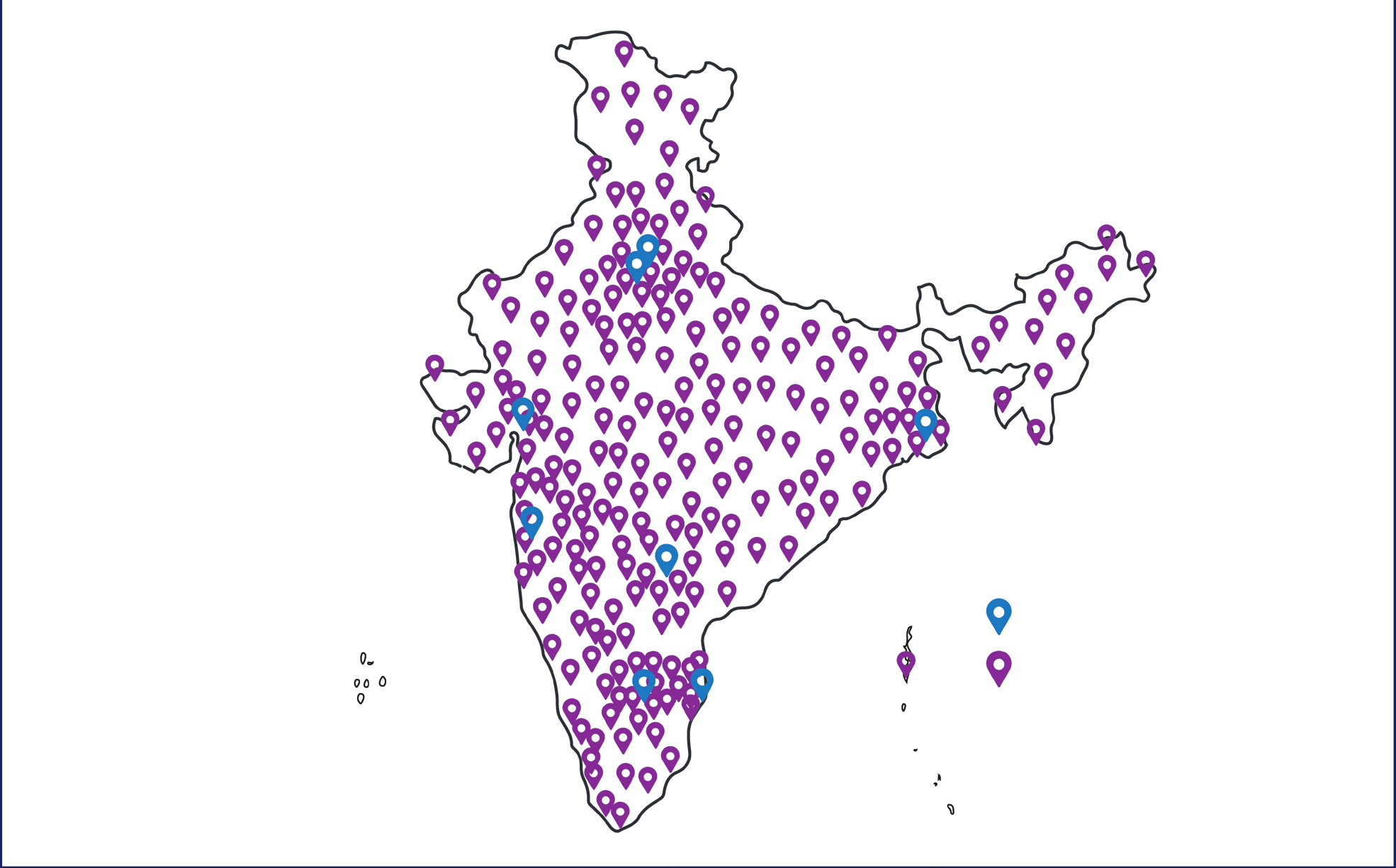
EWISR 2026-27 Countrywide Survey (Part-1)








Add comment