






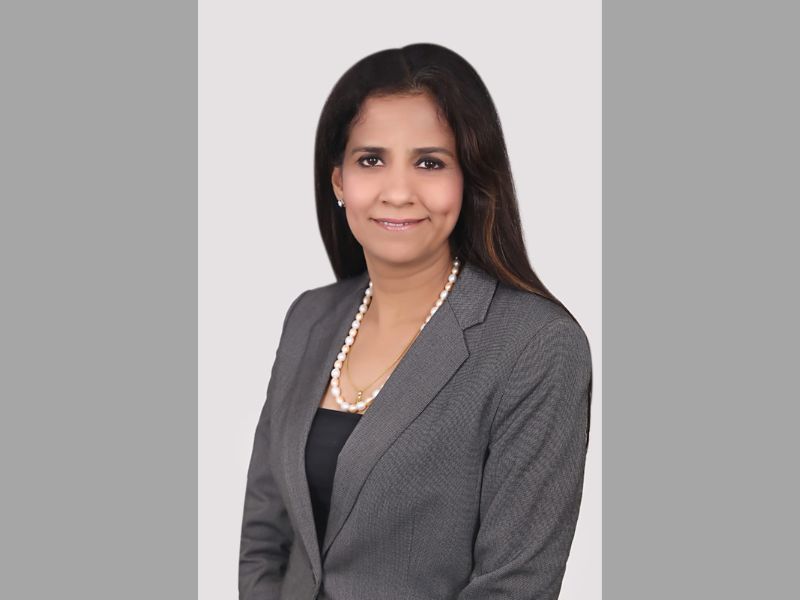
Beyond the Usual Destinations: Rethinking Global Student Mobility
– Ritika Singh, Executive Director, IC3 Movement
For many years, the study-abroad conversation in India has revolved around a familiar set of destinations. The UK, US, Australia and Canada have understandably remained central to how students and families think about international education.
But perhaps the more important question today is not which destinations are most popular. It is whether we are giving students enough possibilities to make a choice that is truly their own.
The world of higher education is much larger than the handful of countries that dominate the conversation. Japan, Finland, Italy and several other destinations are creating opportunities that deserve a closer look. This is not about replacing one set of popular destinations with another. It is about expanding the lens through which students, schools and universities think about mobility.
Japan: Looking Beyond the University
Japan offers an interesting example of what this broader approach can look like. Growing academic and industry connections between India and Japan are creating opportunities across scholarships, research, internships and employment. For students, however, the decision to study in Japan cannot stop at choosing a university or programme.
If the aspiration extends to building a career in Japan, language becomes part of the conversation. So do cultural understanding, workplace expectations and professional communication. These are not secondary considerations. They can shape how successfully a student moves from education into employment.
This also places an important responsibility on universities and organisations. Universities need to help students understand not just what they can study, but where a programme can lead. Organisations and industry partners can play a role in creating opportunities for internships, skills development and workplace exposure. The stronger these connections become, the more meaningful the education-to-employment pathway can be.
Preparing Students for More Than a Classroom
Every country has its own academic environment, culture and way of working. Students need the opportunity to understand these differences before they make a decision. For someone considering Japan, that could mean understanding Japanese-language expectations and workplace culture. For another student, a different destination may offer a better academic or career fit.
Schools and counsellors have an important role to play here. The conversation should begin before a student starts looking at applications, with exposure to different countries, disciplines, institutions and career pathways.
At the same time, universities can help by making their programmes, academic environments and career pathways easier for students to understand. The more transparent that information is, the better equipped students are to make informed choices. Studying abroad is not simply about getting into a university. It is also about preparing for what comes after it.
The World Beyond STEM and Business
There is another conversation that needs to change. For years, international education has often been associated with STEM and, increasingly, business. These remain important pathways, but they do not represent the full range of student aspirations.
Students are interested in healthcare, design, research, advanced manufacturing, social sciences, humanities and interdisciplinary fields. Different countries and universities bring different strengths to these areas.
Japan, for instance, can open conversations around research, advanced manufacturing, design and technology, alongside other disciplines. Finland has built strong associations with education, research and innovation, while Italy offers opportunities across design, architecture, engineering, arts and the humanities.
The point is not that one country is better than another. It is that students should know these choices exist, and universities and organisations have an opportunity to make those pathways more visible.
Counselling Needs a More Global Outlook
This is where schools, universities and organisations need to see themselves as part of the same ecosystem. A student should not begin with, “Which country should I go to?” The conversation can begin much earlier with who they are, what interests them, how they learn, what they hope to build, and what kind of life they imagine for themselves.
Schools can create the space for these conversations. Counsellors can help students connect interests with academic and career pathways. Universities can provide greater visibility into programmes, opportunities and outcomes. Organisations can help students understand how education connects to the world of work.
Working across 100+ countries, IC3 has seen how exposure can change what students believe is possible. When schools, universities and organisations are connected to a wider global ecosystem, students are able to see pathways they may never have considered. The role is not to promote one destination over another, but to create the conditions in which students can explore more possibilities and make choices with greater clarity.
Making Student Mobility Truly Global
Perhaps this is the next step for international education in India. Not simply sending more students abroad, but creating a stronger ecosystem in which students, schools, universities and organisations can engage with a wider world of possibilities. Japan, Finland, Italy and other emerging destinations are part of that larger conversation. They remind us that opportunity does not exist only in the places we already know well.
When schools provide greater exposure, universities make pathways more visible, and organisations create meaningful connections to the world of work, student mobility becomes more than a movement between countries. It becomes a way of helping young people find the right fit for who they are and what they hope to become. The world is already offering students more possibilities. Perhaps our responsibility now is to make sure they can see them.








Add comment