






Creating a Multi-Sport Culture in Schools
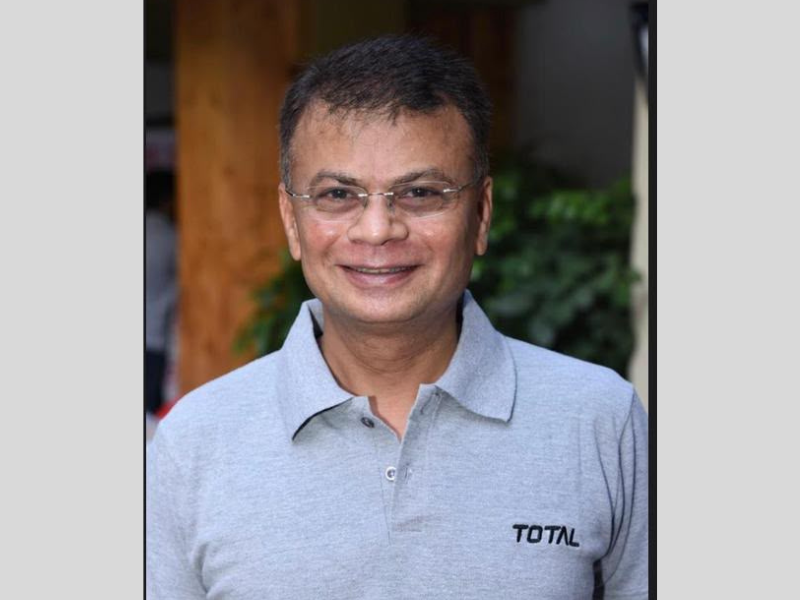
– Niteen L. Shah, Founder & Managing Director, Total Sports & Fitness
India’s education system has made remarkable progress in expanding access to quality education, embracing technology, and preparing students for an increasingly competitive global economy. Yet, one fundamental gap continues to hold back the true purpose of education. For decades, academic success has largely been measured through marks, examinations, and college admissions, often leaving little room for experiences that develop resilience, emotional intelligence, leadership, creativity, and overall well-being.
In many schools today, sport is still treated as an extracurricular activity—something children do after studies, during annual sports days, or only if they show exceptional talent. As academic pressure increases, physical education is often the first period to be sacrificed. This mindset has unintentionally created an education system that prioritises academic achievement while overlooking the importance of physical, emotional, and social development.
Education was never meant to prepare students only for examinations. Its purpose is to prepare young people for life. The world our children are entering demands far more than academic knowledge. It requires individuals who can think critically, solve problems, communicate effectively, collaborate with diverse teams, adapt to change, manage failure, and lead with confidence. These are qualities that cannot be developed through textbooks alone. They are built through experience.
This is where sport becomes one of education’s most powerful yet underutilised tools. Sport should no longer be viewed simply as physical activity or recreation. It is an environment where children continuously learn through action. Every game demands observation, decision-making, strategic thinking, and adaptability. Every competition teaches discipline, resilience, accountability, and perseverance. Whether children win or lose, they learn to process emotions, respect others, and return stronger the next day.
Beyond physical fitness, sport plays a significant role in brain development. Scientific research continues to show that regular physical activity improves memory, concentration, attention span, cognitive flexibility, and problem-solving ability. During sport, the brain is constantly processing information—anticipating movement, recognising patterns, assessing risks, making split-second decisions, and adjusting strategies in real time. These experiences strengthen neural pathways that also support classroom learning and lifelong cognitive development.
Equally important is the behavioural development that sport encourages. Children learn to manage pressure, communicate with teammates, accept constructive feedback, resolve conflicts, and build empathy. They develop confidence through consistent effort rather than instant success. They understand that setbacks are temporary and that progress comes through discipline and persistence. These are qualities that shape not only successful professionals but also responsible citizens.
A multi-sport culture makes these benefits even more powerful. Different sports nurture different capabilities. Football develops teamwork and spatial awareness. Athletics teaches perseverance and goal-setting. Swimming builds discipline and self-reliance. Racquet sports strengthen reflexes, concentration, and strategic thinking. Emerging sports such as pickleball encourage inclusivity, quick decision-making, and intergenerational participation. When children experience multiple sports during their formative years, they develop more balanced physical, cognitive, and emotional skills while discovering activities they genuinely enjoy for life.
The responsibility for creating this culture cannot rest with schools alone. Parents, educators, policymakers, and the wider community all have a role to play. Schools must integrate structured sports into the curriculum rather than treating them as optional activities. Physical education should carry the same importance as other core subjects because it contributes directly to a child’s overall development. Teacher training, sports infrastructure, and access to qualified coaches should become essential investments rather than optional additions.
Parents must shift their perspective from viewing sport as a distraction from academics to recognising it as an essential contributor to academic performance, confidence, mental health, and character development. Encouraging children to participate without placing excessive emphasis on competition creates healthier relationships with sport that often last a lifetime.
India has already demonstrated that it can produce world-class athletes and build a vibrant sporting ecosystem. The next milestone is ensuring that every school becomes a place where sport is recognised as an essential part of education rather than an optional activity.
Creating a multi-sport culture in schools is not simply about producing the next generation of athletes. It is about building healthier children, stronger communities, and a more capable society. When sport becomes an integral part of education, we don’t just improve physical fitness—we develop sharper minds, stronger character, and future-ready citizens.
The future of Indian education will not be defined only by what children learn inside classrooms, but by the values, experiences, and life skills they carry beyond them. Sport is not an alternative to education. It is one of its strongest foundations.
Also Read How International Students Can Stay Competitive in a Global Job Market











Add comment