






Karnataka: Private schools seek uniform formula for RTE reimbursements across India
The Associated Managements of Primary and Secondary Schools in Karnataka (KAMS) has called for the introduction of a uniform national formula to determine reimbursement under the Right to Education (RTE) Act for every child admitted to private schools under its provisions.
The demand comes amid significant disparities in the reimbursement amounts paid by states to private schools for educating children admitted under Section 12(1)(c) of the RTE Act. Under this provision, private unaided schools are required to reserve 25 percent of seats in Class I for children belonging to economically weaker sections (EWS) and disadvantaged groups residing in their neighbourhoods, and provide them free education until the completion of Class VIII. In return, the state is required to reimburse schools for these students. As per Section 12(2) of the Act, the reimbursement is to be shared by the Central and state governments and is capped at the per-child expenditure incurred by the state in its own schools.
The issue has once again come under the spotlight due to the wide variation in reimbursement rates across states. Tamil Nadu is among the highest-paying states, reimbursing private schools between Rs 25,155 and Rs 33,806 per child admitted under the RTE quota. In contrast, Madhya Pradesh has fixed its per-child expenditure at just Rs 4,419.
Against this backdrop, KAMS has urged the Union government to evolve a transparent and uniform methodology for calculating per-child expenditure under the RTE Act. Data compiled by the association shows that Karnataka currently reimburses private schools between Rs 8,000 and Rs 16,000 per child. Other states with relatively higher reimbursement rates include Tripura (Rs 21,138), Delhi (Rs 19,176), and Maharashtra (Rs 17,670).
In a letter to the Centre, KAMS secretary D. Shashi Kumar pointed out that several states continue to follow reimbursement rates notified between 2013 and 2018 despite substantial increases in public spending on elementary education over the past decade. He noted that enhanced allocations under Samagra Shiksha, investments in digital education, infrastructure development, and teacher-capacity building have not been reflected in the reimbursement amounts paid to private schools.
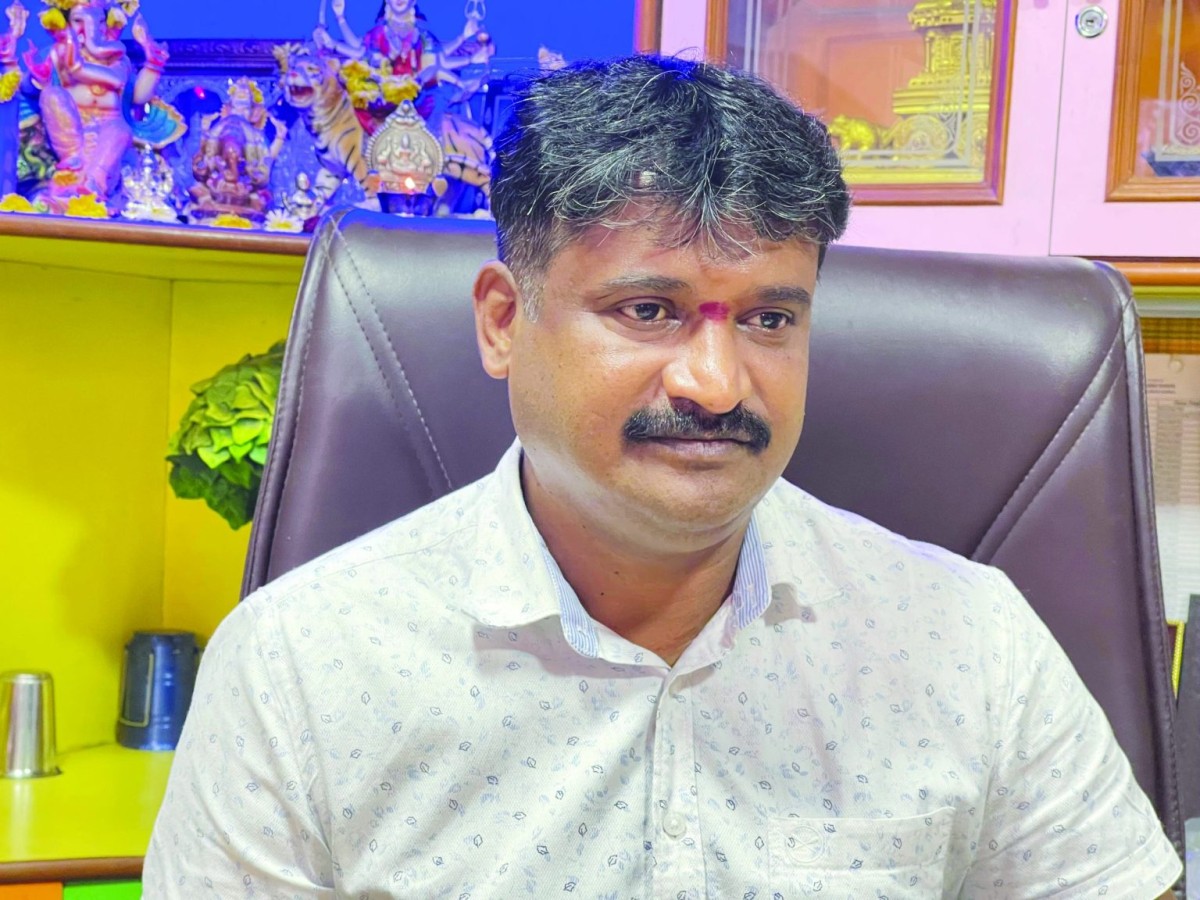
“We have requested the Union government to introduce a transparent and uniform methodology for determining per-child expenditure across the country. How can such huge disparities exist in reimbursements? The government should calculate the actual expenditure incurred by schools for their smooth functioning, arrive at a realistic per-child cost, and fix reimbursement accordingly,” Kumar said.
Also read: SC urged to urgently hear pleas against CBSE’s three-language rule for Class 9








Add comment