






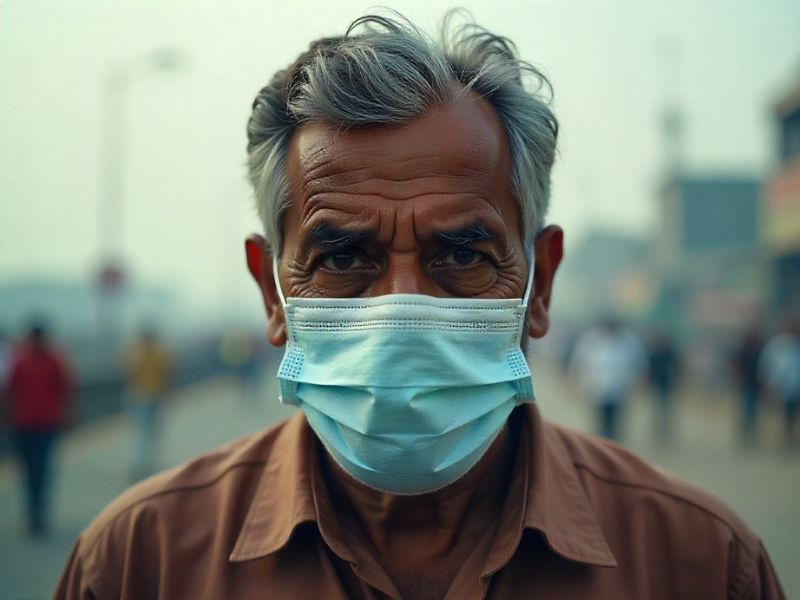
Delhi Implements Emergency Measures as Air Quality Hits ‘Severe’ Levels
Schools in Delhi have been directed to conduct hybrid classes for primary students, while all non-essential construction activity has been suspended as the capital’s air quality plunged to “severe” levels this week.
Authorities have enforced stricter anti-pollution measures under Stage Three of the Graded Response Action Plan (GRAP), imposing curbs on goods carrier movement, halting mining and stone-crushing operations, and restricting vehicles transporting dust-generating materials.
According to the Central Pollution Control Board, Delhi’s PM2.5 concentration reached 438 on Wednesday — nearly 30 times the World Health Organisation’s safe limit of 15 and about eight times India’s national average. Health experts have advised residents, especially children and the elderly, to remain indoors and use protective masks when outside.
Smog guns and water sprinklers have been deployed across the city to curb dust pollution. The toxic haze, a recurring winter phenomenon in northern India, stems from multiple sources including vehicle emissions, industrial activity, stagnant wind conditions, and stubble burning in neighbouring states.
The worsening air quality has sparked protests and political disputes. Aam Aadmi Party leader Saurabh Bhardwaj accused the Delhi government of manipulating pollution data and neglecting public health, calling for a public health emergency. However, chief minister Rekha Gupta denied the allegations, asserting that her administration is acting “with full seriousness and promptness” to combat the crisis.
Environment minister Manjinder Singh Sirsa reiterated that air quality data remains publicly accessible and said water sprinkling near monitoring stations was intended only to reduce dust, not to influence readings.
Inputs from Hindustan Times
Also Read: Delhi: Unconvincing Rankings











Add comment