





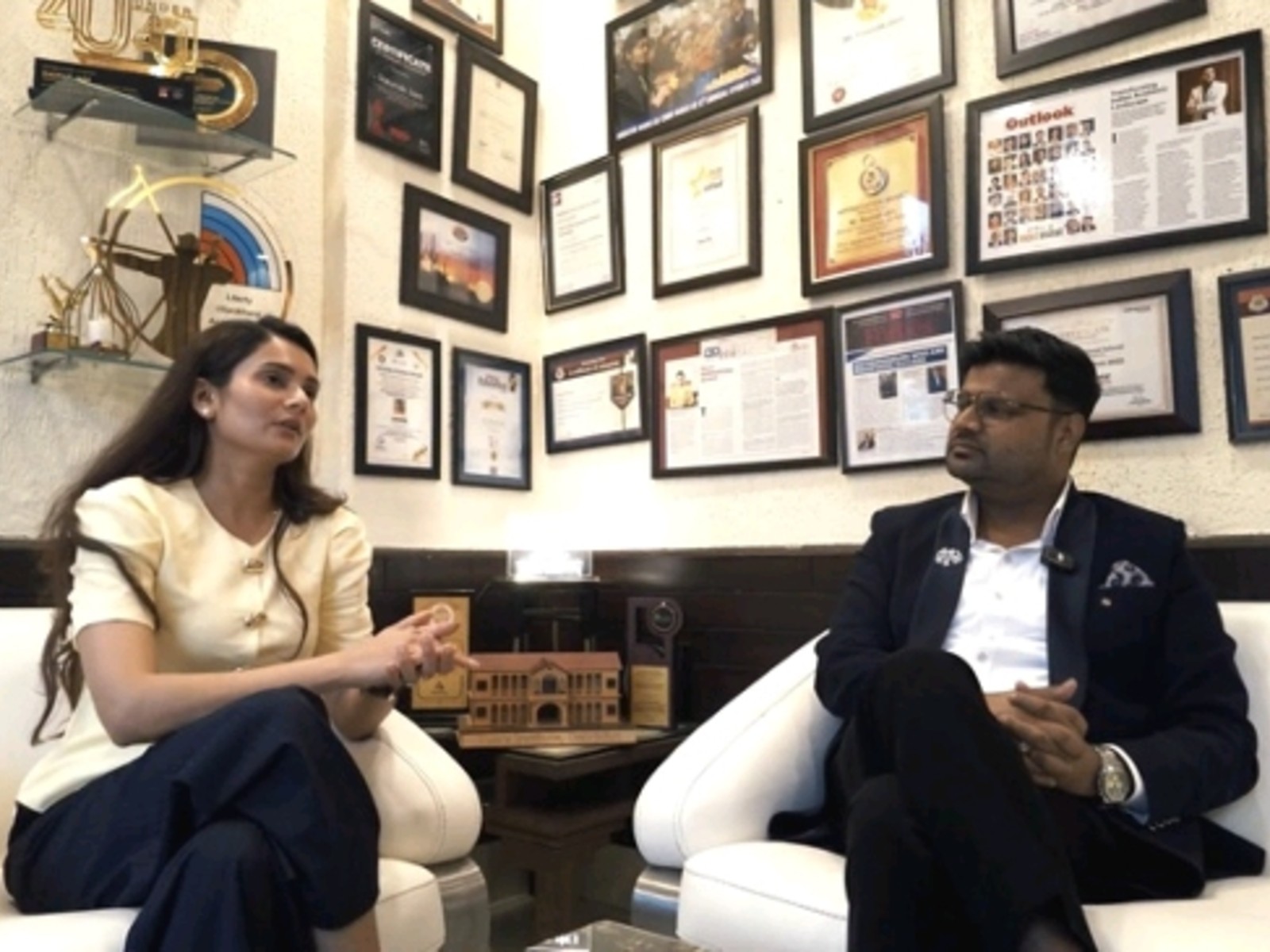
As part of EducationWorld’s DRIVE Dialogues (Dynamic Reformers Inspiring Vision and Excellence), Shraddha Bhat, founder of Vivantis Advisory and brand director of Children’s Academy Group of Schools (Maharashtra), exchanges perspectives with Raunak Jain, vice chairman of Tula’s Group, on student happiness, community contribution and making high-quality boarding education accessible to more families. As next-generation leaders associated with family-built institutions, they also examine how educational legacies can remain relevant without losing the values on which they were founded.
Established under the aegis of the Rishabh Educational Trust (estb. 2004), Tula’s Group presently owns and operates the multidisciplinary Tula’s University and Tula’s International School in Dehradun.
Shraddha Bhat: The first differentiator I noticed at Tula’s was not a facility or programme. It was the visible happiness quotient of the students—the ease in their interactions, their willingness to speak and the sense that residential life had not made them guarded. Happiness is often dismissed as a soft outcome, but in a boarding school it can be hard evidence of belonging, psychological safety and relationships that are working.
Raunak Jain: Children spend a significant part of their formative lives here, so their happiness cannot be incidental. They need to feel known, supported and able to participate fully in the community. Academic standards matter, but children learn and grow best when they also experience trust, friendship and a genuine sense of home.
Shraddha Bhat: The useful question is not whether students look cheerful during a visit. It is what the institution repeatedly does to produce wellbeing—through routines, adult relationships, peer culture, food, movement, voice and the way difficulty is handled. When these systems work together, happiness becomes a measure of institutional health rather than a marketing claim.
Raunak Jain: It comes from daily life. Students are guided, but they are also heard. They live, learn and solve problems together. The quality of residential care and the consistency of relationships help them feel secure enough to become independent.
Shraddha Bhat: But a happy boarding school should not become a protected island—comfortable and full of opportunity, yet distant from the realities outside its gates. Tula’s connects happiness with purpose by taking students back into the community. That is where privilege begins to become responsibility.
Raunak Jain: Education is incomplete if students remain inside a comfort bubble. Children need opportunities to understand the lives of others, engage with communities and recognise that privilege carries responsibility. Community engagement should not be an occasional activity; it should shape how they see the world.
Shraddha Bhat: That is an important distinction. A one-day visit can become charity; sustained participation can build citizenship. Global awareness begins locally when a student learns to notice another person’s reality and respond with humility rather than superiority.
Raunak Jain: The objective is not simply to make students feel fortunate. It is to help them see themselves as contributors. They should leave school with the instinct to participate, solve problems and give something back to the communities around them.
Shraddha Bhat: Tula’s also raises a significant market question: can a school make high-quality boarding accessible without allowing exclusivity to become the definition of excellence? In education, price is often mistaken for quality, even when the two are not the same.
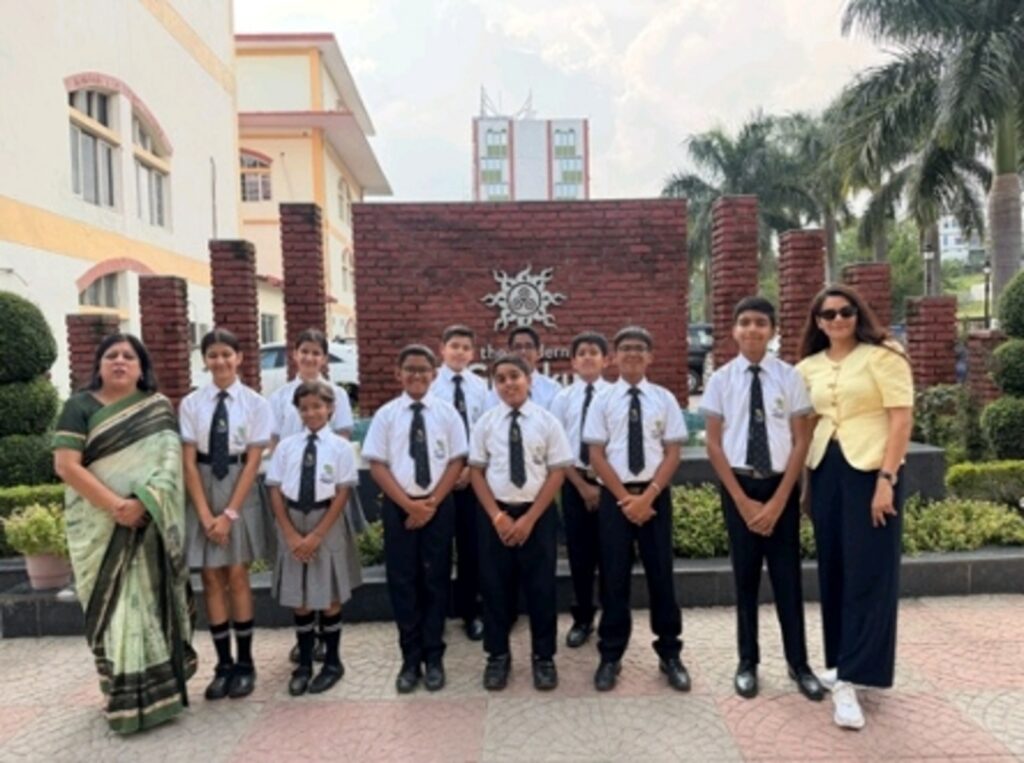
Raunak Jain: A strong boarding experience should not depend on being the most expensive. Quality is created through teachers, pastoral care, routines, opportunities and the consistency of a child’s experience. The challenge is to remain affordable while refusing to compromise on what genuinely matters.
Shraddha Bhat: From a brand and parent-choice perspective, affordability is not merely a lower fee. It is meaningful value that reaches the child every day. Parents are increasingly looking beyond impressive infrastructure. They want evidence that their child will be known, supported and changed by the experience.
Raunak Jain: That evidence lies in relationships and daily life—in the way students are guided, how they live together, how they respond to routines and the responsibility they learn to take for themselves and others.
Shraddha Bhat: The idea of a modern Gurukul is therefore most credible when it becomes behavioural rather than decorative. Its value is not in borrowing the language of tradition, but in connecting learning, living, discipline, community and service so that students become both capable and grounded.
Raunak Jain: We want students to be globally prepared and deeply connected to Indian values. The two should strengthen one another. Exposure gives them confidence, while rootedness gives them perspective and responsibility.
Shraddha Bhat: At Children’s Academy, our own founder’s legacy has taught me that the next generation must protect values without copying every method. Through Vivantis, I see the same challenge across founder-led schools: legacy remains powerful only when families can see what it produces in a child today. What did your father build that your generation must protect—and what must you now reinterpret?
Raunak Jain: The commitment to quality and the development of the whole child must remain. What changes are the methods: technology, pathways, communication and the way we respond to new expectations. The next generation has to keep the foundation strong while ensuring that the institution remains relevant.
Shraddha Bhat: That is the real work of succession. The next generation does not inherit permission to repeat the institution; it inherits responsibility for its continuing relevance. The ultimate proof is not a new facility or campaign. It is the difference a parent can recognise in the child after one term.
Shraddha Bhat concludes, “Tula’s most credible differentiator is the combination of happiness and purpose. Students appear secure enough to enjoy school, yet the institution also takes them beyond comfort and back into the community. High-quality boarding becomes meaningful when it is accessible, emotionally healthy and capable of turning privilege into participation.”
Also read: DRIVE Dialogues: The School of 2035: Are We Building It Today?









Add comment