






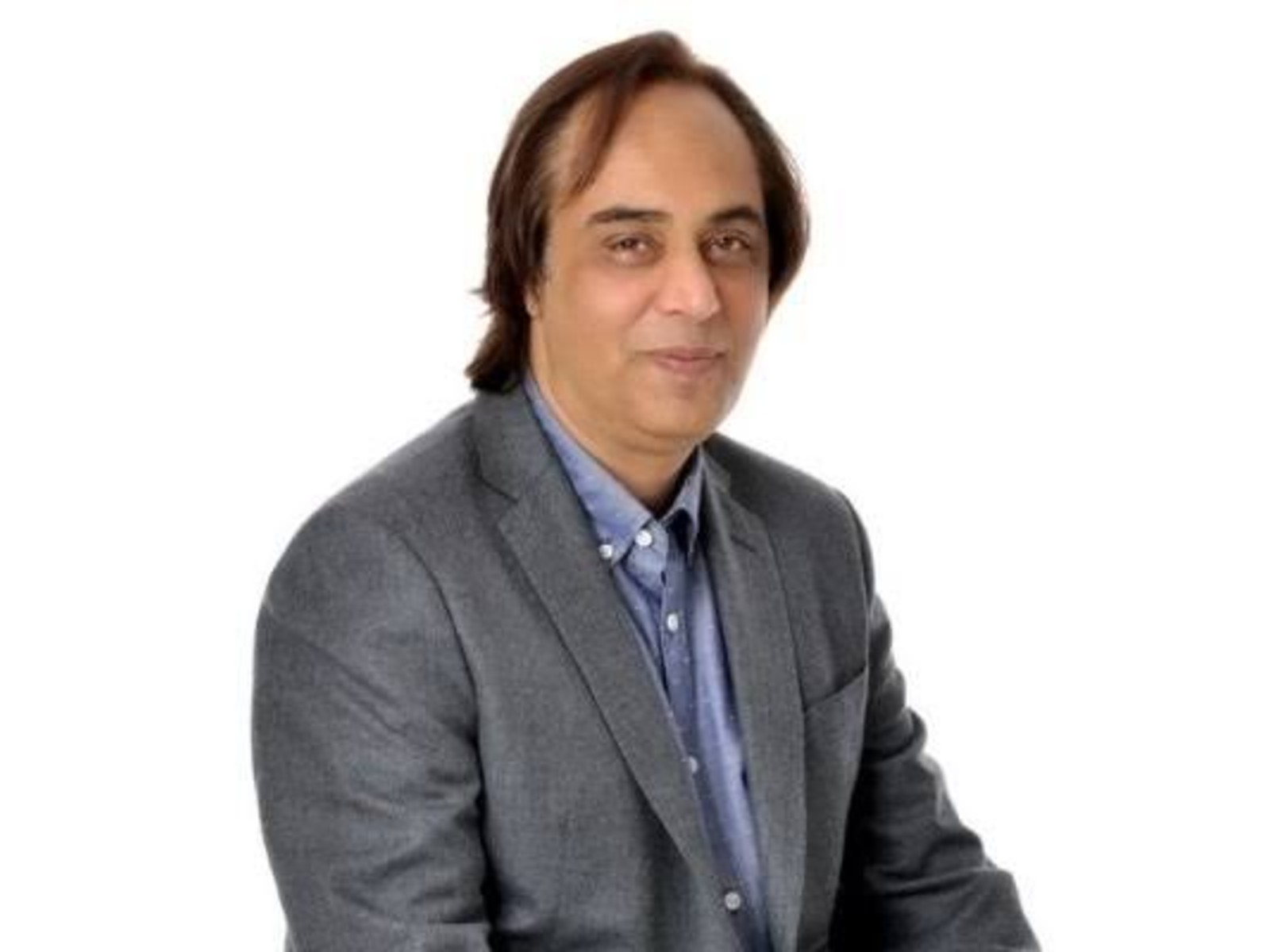
Ed-tech pioneer Ali Sait passes away
The education community grieves the loss of Ali Sait, ed-tech pioneer and CEO of Bengaluru-based Tech Avant-Garde, who passed away on Sunday, September 20.
Born and brought up in Coonoor, Nilgiris, in a family of tea planters, he studied engineering at M.S. Ramaiah Institute of Technology (MSRIT), Bengaluru, and was among the first batch of Computer Science engineers from Bangalore University. He later pursued Artificial Intelligence and Robotics at the Indian Institute of Science (IISc), Bengaluru.
Following his professional studies, Sait embarked on a career in software design and entrepreneurship, developing technology solutions across education, e-governance, manufacturing, finance and professional services. His work included designing Lyceum, a school automation and connected-learning solution; Ecole and Eureka, which enabled e-governance and connected more than 1,200 schools through a single intranet; Acumen, an inventory, accounting and production-planning system for manufacturing; and CA Man, a software solution for chartered accountants. He also developed Lycee, a cyber-academy platform, and Efeeonline, a multimode digital payment system.
Driven by the mission to “change the way people learn,” Sait served as CEO of Bengaluru-based Tech Avant-Garde, an ed-tech company focused on digital transformation and hybrid learning. Through the company’s partnerships with CBSE and NCERT, he worked towards supporting educators and modernising school education through technology.
A strong advocate of the idea of a “Connected Learning Community,” Sait worked to extend the benefits of digital connectivity to schools across India. Tech Avant-Garde partnered with organisations including the National Independent Schools Alliance (NISA), Telangana Recognised Schools Management Association (TRESMA) and the Private Schools Association of Jammu & Kashmir (PSA J&K), representing thousands of schools, to help their member schools strengthen digital learning and technology-enabled education.
During the COVID-19 pandemic, while helping ensure continuity of education for lakhs of students by supporting nearly 40,000 educators across the country, he remained deeply attentive to individual needs making time to identify exceptional cases—children and families who needed specific interventions, additional support or specialised care—and ensured that their needs were met.










Add comment