






Home First aid guide
– Dr. Chiranth R. is an assistant professor in pediatrics at the Chandramma Dayananda Sagar Institute of Medical Education and Research, Bengaluru

I am aware that the parent of a toddler needs to know about first aid. But I’m just not prepared. Please advise.
— Lipika Hashim, Mumbai
Toddlers are naturally curious, and small burns and cuts will happen despite our best precautions. Most are manageable at home. Here’s what you need to do:
Minor burns (small, affecting only the outer layer of skin). Act immediately by running cool — not ice-cold — tap water over the burn for 20 minutes. This is your most important first aid step and is effective even if done three hours after the injury. Thereafter, pat the burn area dry gently and let it air dry or cover loosely with a clean cloth. Avoid applying ice, oil-based ointments, or honey directly on skin. Antibiotic ointment can be used. Simple pain relief medication (if your pediatrician recommends) also helps. Over the next few days if the burn is merely red and mildly uncomfortable, it will heal. Minor burns typically heal without scars.
Small cuts with minor bleeding (shallow cuts from falls or minor scrapes). Clean the wound with cool running water and mild soap, then rinse thoroughly. If there’s bleeding, apply gentle, steady pressure with a clean cloth or gauze for five-ten minutes. Once bleeding stops, tie a simple bandage to avoid your child picking at it. Most small cuts don’t need antibiotic ointment.
When to see a doctor. Seek immediate professional medical care if the burn is larger than quarter-inch, involves blistering, is red and very painful, or is on the face, hands, or joints. For cuts, consult a doctor if there’s deep bleeding that doesn’t stop after ten minutes; if edges are jagged and gaping, or if you’re unsure of how deep the cut is. Also watch out for signs of infection over the next days: redness spreading beyond the original injury, pus or yellow discharge; swelling that worsens after day two, warmth around the wound, or your child developing fever. Any of these symptoms warrant a medical check-up.
Your calm response teaches your toddler not to panic. Remember, minor injuries look scarier than they are.
My 13-year-old sometimes comes home limping after football practice with a swollen ankle or sore wrist. What should I do?
— Richa Verma, Delhi
Most minor sprains and strains can be managed safely at home. Start with the RICE method — the gold standard for first aid. Rest means limiting activity immediately after the injury. Ice should be applied for 15-20 minutes every 2-3 hours for the first 48 hours (wrap the ice pack in cloth to protect the skin — never apply ice directly). Compression requires putting a snug (but not tight) elastic bandage around the injured area to reduce swelling (you should be able to slip a finger under it comfortably); Elevation means keeping the injured arm or leg raised above heart level, especially when resting or sleeping, to minimise swelling.
Solicit professional medical care if there’s severe pain, a limb looks deformed, your child cannot bear any weight after 48 hours, swelling doesn’t improve after three days, or if he reports numbness or tingling. A sports injury improves gradually with home care and typically shows improvement within five-seven days.
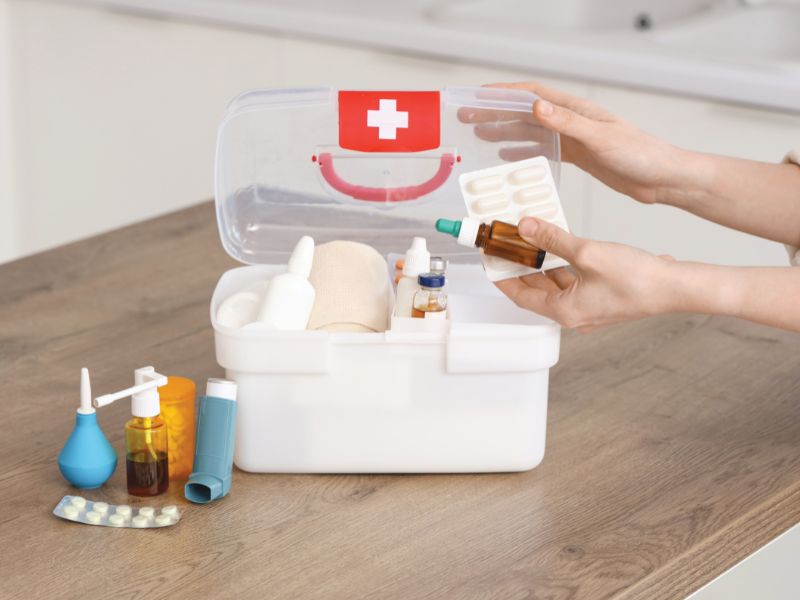
Stock a simple home first-aid kit comprising elastic bandages in two or three widths; an ice pack or instant ice packs; mild over-the-counter pain relief medicine (your pediatrician should approve of the dose), and a pillow for elevation. More important, resist the urge to ‘test’ the injury by playing through it; a few days of rest prevents weeks of problems later.
My daughter is in class X and studies for long hours in preparation for the board exam. I’m worried that lack of sleep will affect her health. Please advise.
— Garima Shetty, Mangalore
When your 14-16-year-old is studying late into the night, her body sends clear signals that sleep debt is catching up. Look out for these physical warning signs: persistent headaches, especially in the morning or afternoon, difficulty concentrating in class, and unusual clumsiness or coordination problems. Moreover, your daughter might complain of body aches without an obvious injury. Other telltale signs include a noticeably increased appetite (or sometimes the opposite), slower response time, and frequent colds or infections because of reduced body immunity.
Emotional changes can be as telling. A moody, irritable teenager snapping over small irritations? Sleep deprivation may be the culprit. Your once-engaged daughter might seem apathetic or overly anxious.
Here’s what helps: Ensure she gets 8-10 hours of sleep per night — this isn’t negotiable and is required for optimal adolescent brain development and academic performance. Encourage her to establish a consistent bedtime and wake-up time routine, even on weekends. Keep her bedroom cool, dark, and free of phones and screens at least one hour before sleep — the blue light from digital devices disrupts melatonin production. If her school allows it, press for later school start times, which align better with teenage biology. You could also move family dinner time forward to support better sleep. Sleep deprivation affects academic performance more than most parents realise. A well-rested teenager outperforms an exhausted one in exams, even with the same study hours. Protecting sleep is protecting grades.
I have heard that we need to use fluoride toothpaste. When should I begin. My baby is six months old.
— Hiba Sharma, Bengaluru
Yes, it is important to use a fluoride toothpaste, especially if your area receives variable water quality, making fluoride exposure unpredictable.
Timeline. The American Academy of Pediatrics recommends use of fluoride toothpaste starting at age two. Before that, brush with plain water. At age two-three, use only a smear the size of a rice grain (not a pea). From age three-six, increase to a pea-sized amount (about 0.25 grams) — roughly the size of a small green pea. After age six, when the swallowing reflex is well-developed, you can use the normal amount. Always supervise tooth brushing to ensure your child spits out toothpaste rather than swallowing it.
Why these limits? Excess fluoride ingested during tooth development can cause dental fluorosis — visible discoloration or pitting of the enamel. Toddlers naturally swallow some toothpaste. Using the right amount protects teeth from decay while minimizing fluorosis risk.
What about water quality? If your tap water is already fluoridated (typically 0.7-1.0 parts per million), these guidelines already account for it. If you have a private well or use bottled water, check if it contains fluoride; the water company or a water test will tell you. In areas with naturally high fluoride or fortified water, discuss whether toothpaste fluoride is still needed with your pediatrician or if you should use lower-fluoride toothpaste designed for children.
Cavity prevention. Brush twice daily for two minutes, helping your child understand the motion. Limit sugary snacks and drinks between meals. Start dental visits at age one so your dentist can assess early cavity risk. If your child is at high risk for cavities and your water isn’t fluoridated, your dentist may recommend fluoride supplements (drops or tablets) starting around age three, but only after evaluating your water supply. Fluoride is like any good thing — the right amount protects, but too much has downsides.









Add comment