






Introducing children to the Joys of Bird Watching
For children, bird watching is a wonderful nature-based outdoor activity that encourages observation, mindfulness, and early appreciation of biodiversity
Kynsai Ria Kharwaniing
Ornithology, aka bird watching — once an elite leisure pursuit — is enjoying a remarkable surge in popularity. The recently concluded Great Backyard Bird Count (GBBC) 2026, an annual four-day citizen science event staged nationwide between February 13-16, attracted over 10,000 participants who watched and counted birds for at least 15 minutes and reported them via the eBird app. The previous GBBC 2025 edition attracted 6,500 people who recorded 1,086 species – nearly 78 percent of all bird species extant in India.
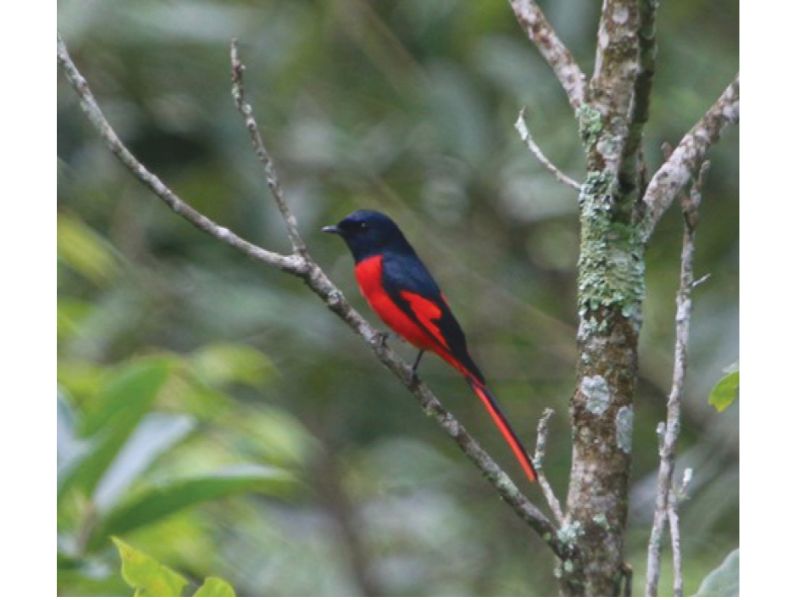
Short billed minivet
For children, bird watching is a wonderful nature-based outdoor activity that develops observation and mindfulness skills, and early appreciation of biodiversity. Bird watchers usually identify and make lists of the bird species they witness at a particular location and also keep count of the number of bird species they encounter. India hosts over 1250 bird species, about one-fifth of species found worldwide.
My own interest in birdwatching was ignited by my parents who are avid birdwatchers. I began accompanying them on their bird watching trips – initially in the vicinity of our farmhouse in Bangalore and later to nature parks and water bodies. For parents who wish to introduce their children to ornithology, start by ‘birding’ in familiar spaces like a garden or neighbouring park, where avians are easy to spot. Begin with common species and encourage children to note their colours, size, sounds and behaviour.
Encourage questions such as where the bird might be going, what it is eating or how it moves. For instance, sunbirds are ubiquitous in India. These little avians are ‘nectar robbers’. When a flower is too deep for their beaks to reach the nectar, they pierce the base of the flower and tap the nectar. Also, koels lay their eggs in the nests of other birds, commonly in crows’ nests. Encourage children to observe and record such details. Investing in binoculars, field guides/species guides, and bird-identification apps is highly advised (see box).
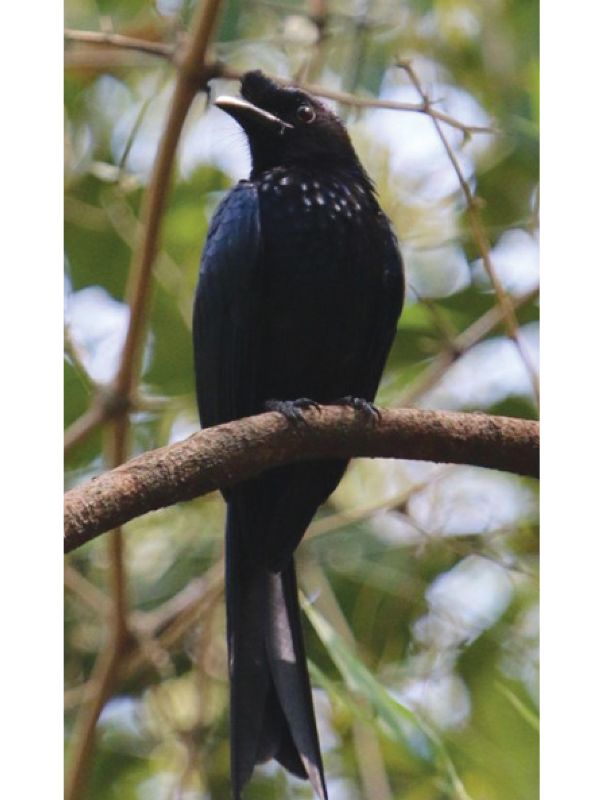
Racquet tailed drongo
Subsequently, as children’s interest develops, outdoor trips to nearby water bodies, game and nature reserves provide ideal opportunities to develop this interest. Some excellent destinations for bird watching excursions include:
Kabini. Sited within the Nagarhole forest in Karnataka, Kabini is an excellent bird-watching destination, with its riverine habitats attracting a rich diversity of avian species. Guided safaris and nature walks offer rewarding sightings.
Thattekad. Thattekad Bird Sanctuary in the Western Ghats of Kerala, is a bird-watchers paradise. It is reputed for hosting species like the striking yet shy Malabar trogon, woodpeckers and racquet-tailed drongos.
Ganeshgudi. Located in the Western Ghats, Ganeshgudi is referred to as a “bird studio” because bird baths near the forest attract a remarkable variety of species (hornbills, fairy bluebirds, sunbirds and woodpeckers) into one clearing, allowing close and easy inspection. While some birders debate this approach, it offers excellent opportunities for beginners and photographers to observe and photograph several species at close range.
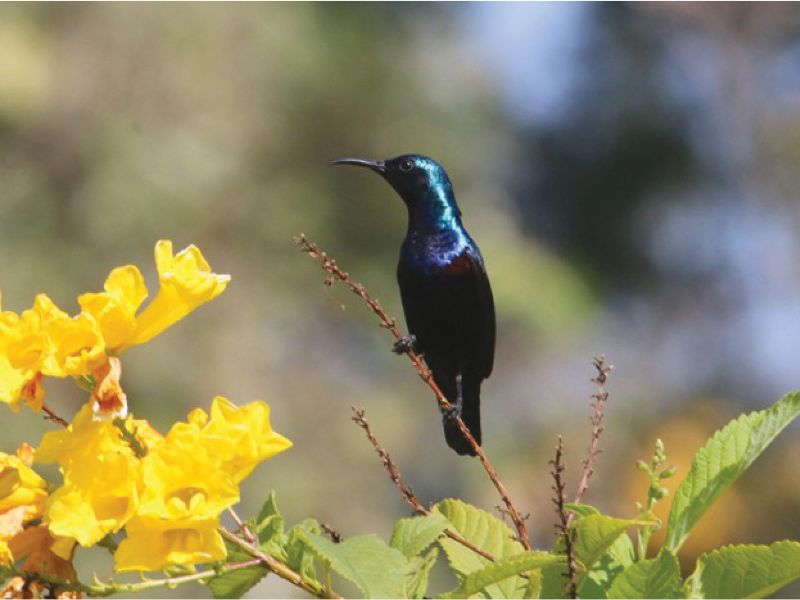
Purple sunbird
Ranganathittu Bird Sanctuary. A 150-minutes drive from Bengaluru, Ranganathittu comprises a cluster of islands on the River Cauvery and is an important breeding ground for numerous bird species such as painted storks, openbill storks, spoonbills, herons and cormorants. Short boat rides allow visitors to observe a wide variety of birds at close quarters.
Manas National Park. A four-hour drive from Guwahati airport, Manas National Park offers rewarding sightings, with species such as spangled drongos commonly seen during safaris. A memorable highlight is the sight of shimmering firefly-lit fields in the evenings, adding a magical touch to the bird-watching experience.
Other excellent birding destinations include the Rann of Kutch (Gujarat), Kaziranga National Park (Assam), Eaglenest Sanctuary (Arunachal Pradesh), and Keoladeo Bird Sanctuary, Bharatpur (Rajasthan).
Birding is a great add-on to all family excursions. It is simultaneously a biology, geography and environment sustainability education, and family bonding adventure.
Books, binoculars & apps
Some essential bird-watching gear and resources can make this increasingly popular co-curricular activity more enjoyable and rewarding, helping beginners identify species and observe them more closely. Here are some recommended accessories:
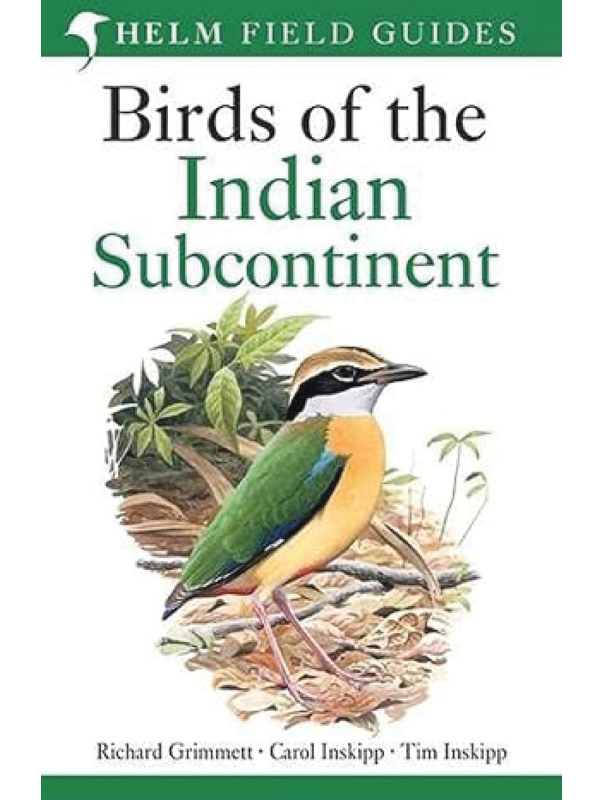 Books
Books
- Birds of the Indian Subcontinent by R. Grimmett, C. Inskipp & T. Inskipp (Rs.954, 528 pp)
- The Book of Indian Birds by Salim Ali (Rs.495, 326 pp)
- Birds of India by Bikram Grewal and others (Rs.2,000, 791 pp)
Binoculars
Buy the best you can afford. The popular ones are available in two numbers e.g. 8 x 42, i.e., the magnification is eight times and the diameter of the lens is 42 mm. The larger the lens, the brighter the image. 8 x 42 or 10 x 50 is recommended.
Apps
Merlin Bird ID App. Identifies birds through questions, photo, sound
eBird Mobile App. For documentation and uploading bird observations to the database
www.early-bird.in. Foldable pocket guides, flash cards, posters, courses, games, activities, etc











Add comment