






Maharashtra: Renewed focus on reducing malnutrition, improving diet in schools
– Ronita Torcato
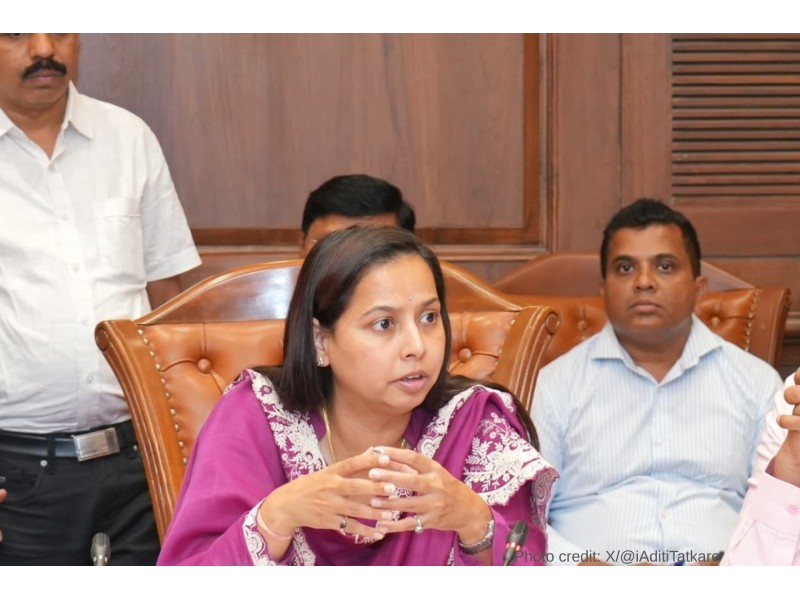
The Maharashtra government has launched a special campaign to reduce malnutrition in schools and pilot projects are being implemented in 11 districts, women and child development minister Aditi Tatkare recently informed the legislative assembly during the budget session. She further claimed that the rate of malnutrition has decreased in the last three years.
A target has been set to reduce it to less than 0.10 percent, Tatkare informed members of the state legislative assembly in a written response, adding that a ‘Migration Tracking System’ has been developed to ensure that children from migrant families also get nutritious food.
She said that the registration of more than 85 percent of students in anganwadis has been completed using the Facial Recognition system (FRS) for Take Home Ration (THR) distribution making it possible to deliver nutritional food to beneficiaries on time.
Efforts are now being made to improve the quality of the THR food provided to children in anganwadis in coordination with the municipal corporation, the urban development department and Integrated Child Development Services Scheme (ICDS) to improve the nutritional and health status of children in the age-group 0-6 years, Tatkare said.
The cabinet minister was responding to issues raised by a Council member Chitra Wagh regarding THR, nutrition, food and anganwadi workers. Tatkare said that as per the guidelines of the Central government, THR has been given in the form of a micronutrient fortified premix since 2023-24.
However, after a number of complaints were received about the taste of the premix, the Women and Child Development Department embarked on a review to make necessary changes in the recipe.
“Efforts have been going on for the last one and a half months to make it more palatable without reducing the nutrient value,” Tatkare said, adding that a request has been made to the Central government to allow dry rations to be provided as before.
She said a ‘gap mapping’ survey is being conducted to identify the gap between anganwadis and balwadis in metropolitan cities like Mumbai. Efforts will be made to reduce malnutrition and obesity among children.
Tatkare also said that efforts are being made in coordination with the concerned departments to make available classrooms of unused Zilla Parishad schools in places where there are no anganwadi buildings. The schools have also been asked to let anganwadi staff and children use facilities like kitchens, toilets, playgrounds, water and sports facilities.
Talking about the problems faced by Anganwadi workers, Tatkare said that those pending for the last few years, have been resolved. “They have been provided with a salary hike, and incentive allowance, 4 G facilities, and a mobile recharge.”
Also read: Maharashtra: Schools submitting bogus certificates for govt grants face strict action









One comment
Suman Ghosh
This is a very important initiative—improving nutrition in schools can have a long-term impact on students’ health and academic performance.
Along with better diet programs, planning and monitoring are also key factors. Schools and educators need effective ways to manage meal schedules, study routines, and overall student activities.
Simple tools like time calculators can help in organizing daily schedules and improving efficiency:
https://timeofcalculator.com/time-calculator.html
Combining proper nutrition with structured planning can significantly enhance student development and learning outcomes.