






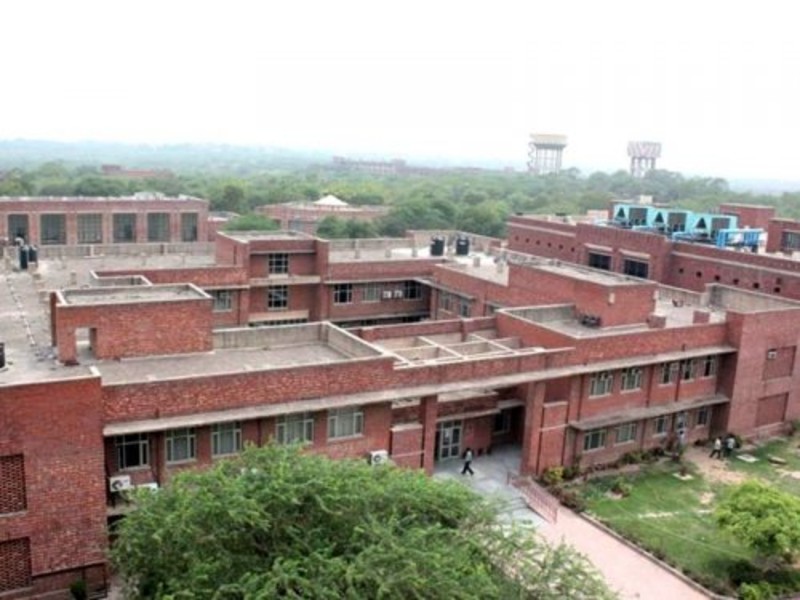
JNU teachers to approach President, MoE demanding withdrawal of 5% quota for faculty wards
– Mita Mukherjee
Teachers of Jawaharlal Nehru University will approach the institution visitor, President Droupadi Murmu and the Ministry of Education demanding withdrawal of a recent decision of the university administration to introduce a five percent supernumerary quota for wards of JNU staff including faculty members. The teachers say that the move is opposed to the institution’s admission policy and weakens JNU’s commitment to inclusive and equitable admissions, Avinash Kumar, secretary of the Jawaharlal Nehru University Teachers’ Association said.
The association has described the decision as a “regressive policy” and “unilateral” as JNU teachers had not been consulted about this matter and also because they had never demanded such a privilege.
“JNU admission policy was based on deprivation points. Deprivation points means you give additional support to people who are under privileged. Now if by any definition, they can define wards of JNU faculty to be underprivileged then we can challenge and ask on what ground they are considering. But they are not interested in debate in anything because the point is that neither this demand has ever been raised by the JNU teachers nor has the JNU administration ever sought any opinion from teachers on this. We are not saying all opinions should be generated from teachers but they could have asked us. No such consultation was made on this matter. We will approach our visitor and ministry of education and want to know if they support this regressive policy and we will also demand them to issue an instruction to the varsity to withdraw the decision,” Kumar told EducationWorld.
The proposal to introduce the five percent supernumerary quota was approved during a recent meeting of the university’s executive council.
The JNUTA held a meeting of its general body on April 21 where the teachers rejected the five percent supernumerary quota. A day later the association issued a statement signed by JNUTA secretary Kumar and president Syed Akhtar Husain stating that the vice-chancellor unilaterally decided to create the quota without any demand from JNU faculty and any consultation. The statement said this was “blatant use of power”.
The teachers said they have come to know that the decision was taken following a recommendation of a committee.
“This committee is comprised of hand-picked members of the vice-chancellor. It never invited opinions from the teachers. It did not send a single note to us that such a decision was being taken. A meeting of the said committee was held in February and on the basis of that single sitting the decision was taken. No one asked the question whether the decision matched the provisions of the university’s admission policy,” Mishra said.
The association has pointed out that the existing system already provides supernumerary seats including five in undergraduate and three in postgraduate courses for wards of non-teaching staff which ensures access of students from marginalised communities.
Kumar wondered whether wards of faculty members can be considered marginalised and providing them with the privilege for admission to a public institution like JNU lacks any rational and ethical justification. He felt that it is a matter of shame to think that the JNU faculty community should get a reservation quota for admission.
“This regime and the previous administration have dismantled deprivation points from Phd admission. This administration has never extended deprivation points in engineering and management students. Now instead of making deprivation points applicable on all those schools and also in Phd, they are going a further regressive step and giving a quota to wards of JNU faculty. It is a matter of shame if any JNU faculty thinks that their children should get quota reservation for admission. This means you are only misusing your privilege over the principles of social equity and social justice that JNU had always been advocating, fighting and struggling for,” Kumar told EducationWorld.
Also read: International higher ed opportunities on the anvil in Navi Mumbai








Add comment