






Letter from Managing Editor
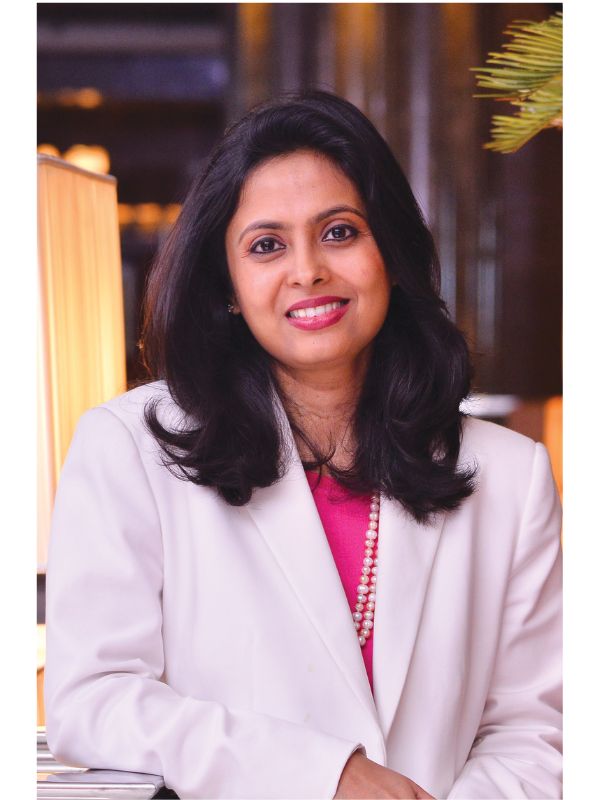
Summiya Yasmeen
What’s common between the board games of Chess, Snakes and Ladders and Ludo? They were all invented in India and known as chaturanga (chess), pachisi (Ludo), and gyan chaupar (Snakes and Ladders). During almost two centuries of British rule over India, they were simplified, standardised and popularised internationally and reintroduced to India in their modern avatars. It’s not known well enough in the Indian sub-continent that India’s gaming history is rich and varied with some historians tracing its origins back to the Harappa and Indus Valley civilisations. In ancient India, generations of philosophers, teachers and storytellers ideated and developed board games not merely as pastimes to entertain, but also to teach children quick thinking, strategy, negotiation, social interaction and communication skills.
However, during nearly 200 years of British rule and ‘Macaulaysition’ of Indian education, traditional indigenous board games were neglected and dismissed as primitive and intellectually inferior pastimes. Western ‘children’s games’ such as Monopoly, Lego and Meccano were introduced and gradually replaced indigenous games in Indian homes and classrooms. Cut to the 21st century, the advent of computers, the internet, smartphones and social media have not only radically transformed children’s leisure and gaming preferences, they have become dangerously addictive. An estimated 90 percent of children aged 8-18 years in India have access to the internet with 70 percent engaged in online gaming and 60 percent active on social media platforms. Rising digital addiction resulting in attention disorders, neglect of academics, addictive depression etc of children, is becoming a threat that few parents can afford to ignore.
Against this backdrop of children becoming increasingly dependent on digital devices and social media with disastrous consequences to their physical and mental well-being, a nascent national movement to revive, reintroduce, and reconnect children with the simple joys of traditional Indian board games is being welcomed by cognizant parents. Led by a new genre of culturally rooted edupreneurs, the objective of this movement is to bring indigenous board games back into the country’s classrooms and homes. In our cover story this month, we beam a spotlight on people and initiatives focused on reviving traditional Indian board games and why they need to be encouraged for enabling children to rediscover non-digital play, while developing critical thinking and social skills.
There’s a lot else in this content-rich issue of ParentsWorld. In our Middle Years section, neurodiversity instructor Mamata Sarkar shares valuable information about understanding and coping with neurodiverse children. In our Health story, paediatrician Dr. Priya Shivalli advises parents to make healthy nutrition a top family priority. Also, check out the Special Essay in which Monash University faculty educate parents about watching out for signs of pathological demand avoidance in children.











Add comment